

Forget the 'Green Thumb' Myth
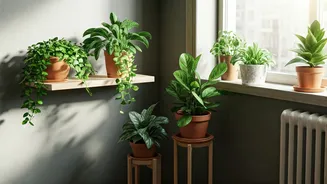
Let’s get one thing out of the way: you don’t need a mystical 'green thumb' to do this. The secret to a successful kitchen garden isn’t some innate talent; it’s choosing the right plants. We’re not talking about finicky orchids or temperamental ferns.
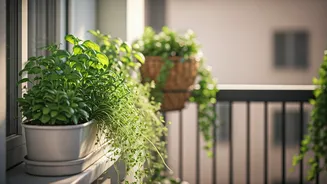
We're talking about a few culinary powerhouses that are practically designed to thrive indoors with minimal fuss. Your goal isn't to become a master botanist overnight. It's to add a little life to your kitchen and a lot of flavor to your food. All you need is a sunny spot, a container, and a willingness to get started with something simple.
The Easiest Starter: Scallions
If you want a near-zero-fail project, start with scallions (green onions). It’s gardening on easy mode. The next time you buy a bunch from the grocery store, don’t throw away the white ends with the little roots. Instead, place them in a small glass or jar with an inch of water, leaving the cut tops exposed to the air. Place the jar on a windowsill that gets decent light. Within a few days, you'll see new green shoots begin to grow. You can snip off what you need with scissors, and they’ll keep regrowing for several weeks. It’s a sustainable, free, and incredibly useful way to have fresh onion flavor for garnishing soups, eggs, and tacos whenever you want.
The Culinary Workhorse: Basil
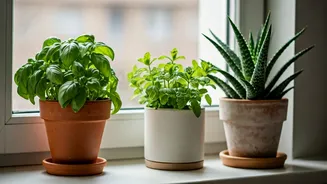
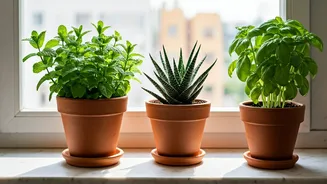
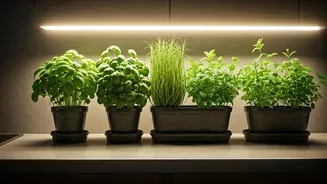
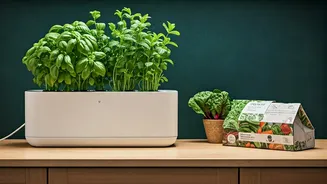
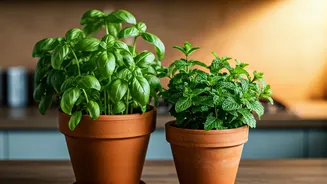
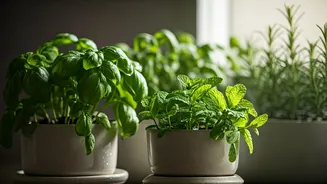
No kitchen garden feels complete without basil. Its sweet, aromatic leaves are essential for everything from pesto to Caprese salads. Basil loves sunlight, so a south-facing window is its happy place. You can start from seeds, but for an even easier path, buy a small potted basil plant from the grocery store's produce section. Repot it into a slightly larger container with some fresh potting mix to give its roots room to grow. Water it when the top inch of soil feels dry, and be sure to pinch off the top sets of leaves regularly. This encourages the plant to grow bushier and fuller, giving you a steady supply all season long.
The Unkillable Favorite: Mint
Mint is famously vigorous—so much so that gardeners often warn against planting it in the ground, where it can take over. This makes it a perfect candidate for container gardening. It’s forgiving, grows fast, and smells incredible. A small pot of mint on your counter is perfect for muddling into cocktails, brewing fresh tea, or adding a bright note to fruit salads. It tolerates a range of light conditions, from full sun to partial shade, and just asks for consistently moist soil. Keep it in its own pot to prevent it from crowding out other herbs, and you'll have more than you know what to do with.
Instant Gratification Crop: Microgreens
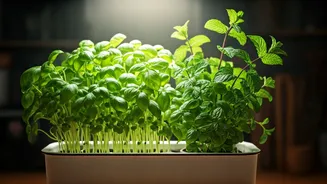
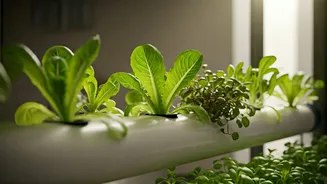
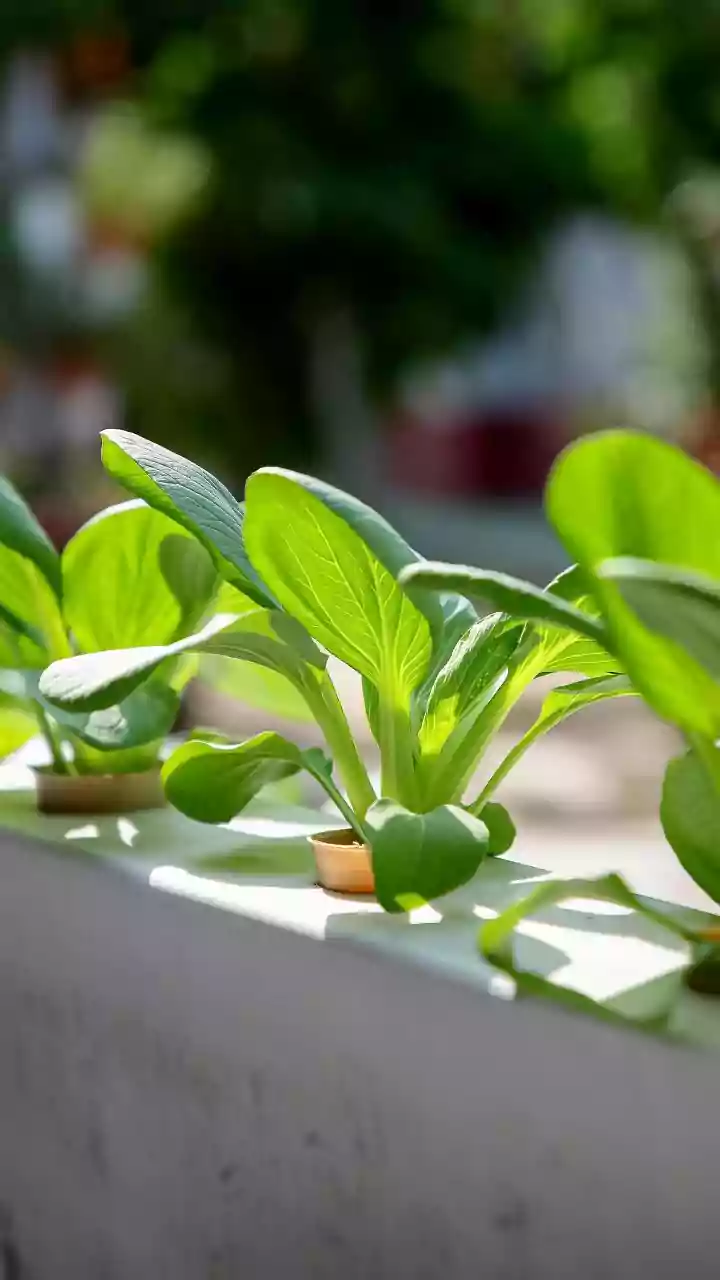
Want results in about a week? Try microgreens. These are just the young seedlings of vegetables and herbs like radishes, kale, and cilantro, harvested when they are only a couple of inches tall. They are packed with flavor and nutrients, making a great topping for salads, sandwiches, and avocado toast. All you need is a shallow tray, some potting soil, and a packet of microgreen seeds. Simply sprinkle the seeds over the soil, water gently, and place in a sunny spot. In 7-10 days, you’ll be ready to harvest your crop with a pair of scissors. It’s a fast, fun, and visually appealing project that proves gardening can offer quick rewards.
Simple Rules for Success
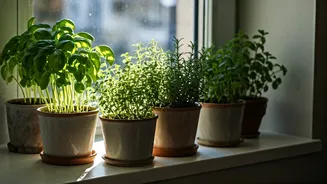
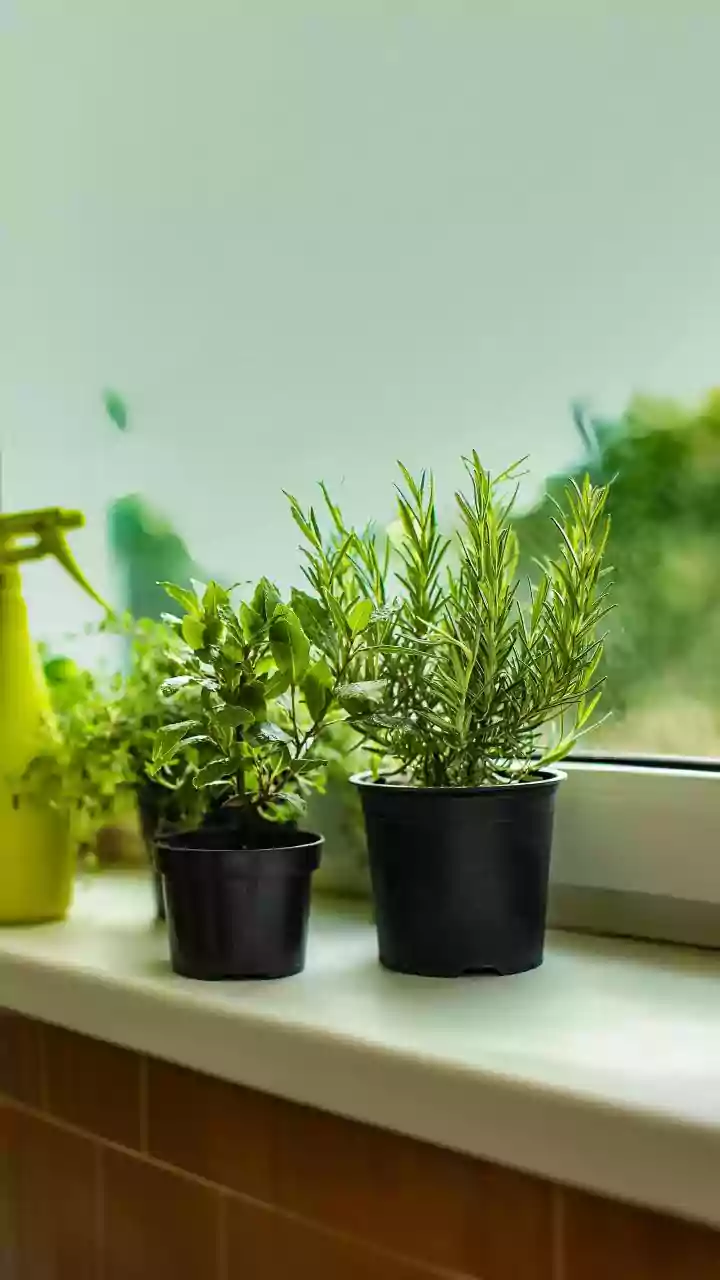
Beyond choosing the right plant, there are only a few things to keep in mind. First, most herbs need at least 4-6 hours of direct sunlight per day, so a bright windowsill is your best asset. Second, don't overwater. It’s the most common mistake beginners make. Stick your finger an inch into the soil; if it’s dry, it’s time to water. If it’s damp, wait another day. Finally, make sure your pot has drainage holes at the bottom. This prevents water from pooling and causing root rot. A simple pot and saucer are all you need to keep your plants—and your counter—happy.