

An Explosion of Flavor and Texture
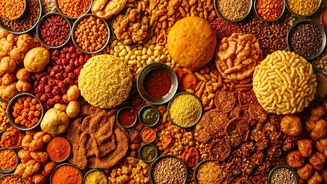
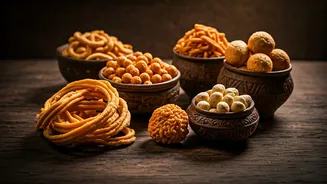
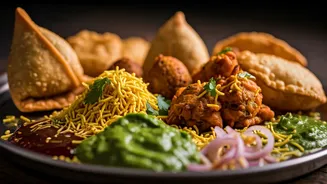
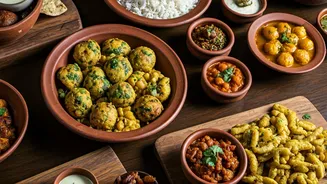
If you’re new to the term, ‘chaat’ isn't one single dish. It's a sprawling, glorious category of Indian street food defined by a symphony of contrasts. At its heart, chaat is an experience built on layers: something crunchy (like puffed rice or fried
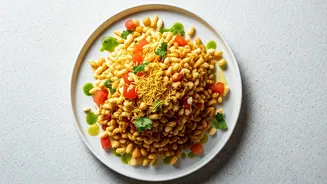
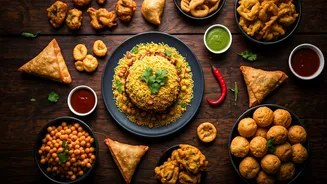
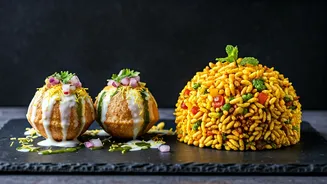
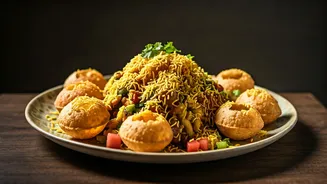
puri), something soft (like boiled potatoes or chickpeas), and a cascade of sauces. You’ll always find a tangy tamarind chutney, a fresh and spicy cilantro-mint chutney, and often a cooling yogurt sauce. The result is a snack that hits every note at once—sweet, sour, spicy, savory, crunchy, and soft. From pani puri (hollow crisps filled with spiced water) to bhel puri (a toss of puffed rice, vegetables, and chutneys), chaat is designed to be an explosion in your mouth. This complexity is precisely what makes it so captivating, moving beyond the one-note satisfaction of many traditional Western comfort foods.
Made for the Social Media Age
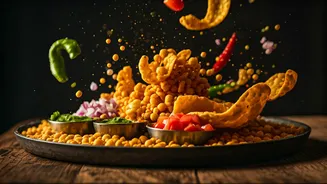
It’s no coincidence that chaat is having its moment in the era of TikTok and Instagram Reels. The category is visually electric. Think of the viral appeal: the satisfying crack of a puri shell, the slow-motion drizzle of chutneys over a mountain of samosa chaat, the vibrant colors of fresh cilantro, red onion, and pomegranate seeds scattered on top. Content creators have found a goldmine in its assembly. Each step is a mini-performance, perfect for short-form video. The sound-on experience, or ASMR (Autonomous Sensory Meridian Response), is equally compelling. The crunch of sev (crispy chickpea flour noodles) and the splash of pani in a puri are sounds that create a sense of direct, almost physical engagement for the viewer. While a pot roast simmers quietly, chaat announces its arrival with a bang, making it irresistibly screen-friendly.
A New Generation of Culinary Storytellers
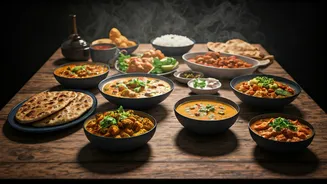
This trend isn't just about non-South Asians “discovering” a new food. It’s being driven from within the culture by a new generation of Indian American and South Asian diaspora creators. For years, Indian food in the U.S. was largely represented by a standardized menu of restaurant staples like chicken tikka masala and naan. But now, creators on social media are bypassing traditional gatekeepers to share the foods they grew up eating at home, at family gatherings, and on the streets of Mumbai or Delhi. They are presenting their heritage not as something foreign or exotic, but as a vibrant, accessible, and integral part of the modern American culinary landscape. By sharing recipes for their grandmother’s chutneys or filming their family’s pani puri night, they are both preserving their culture and reframing it for a global audience, making it feel personal, authentic, and deeply comforting.
Redefining American Comfort
Ultimately, the rise of chaat content signals a broader, more exciting shift in what we consider “comfort food.” The concept is expanding beyond simple nostalgia for a Rockwellian past. For a growing number of Americans, comfort isn’t just a creamy, mild flavor profile. It’s the bold, complex taste of a dish that connects them to their heritage, or the exciting discovery of a flavor combination that feels entirely new yet deeply satisfying. As America becomes more diverse, so does its collective palate. The comfort in chaat is multi-layered: it's the comfort of connection for those sharing their culture, the comfort of discovery for those trying it for the first time, and the universal comfort of a delicious, handmade snack designed to make you happy. The cheese pull video isn’t going anywhere, but it now has to make room for the puri crack.