



The Science of 'Green Calm'
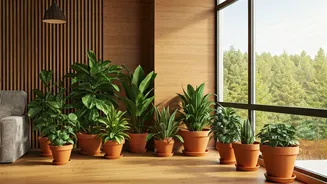
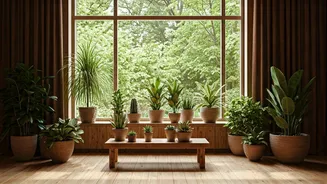
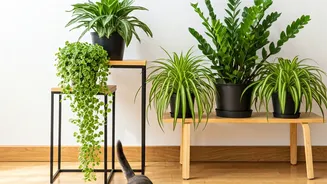
The calming effect of a plant-filled room isn't just a feeling; it's rooted in a concept called biophilia—our innate human tendency to connect with nature. Studies have shown that even passive exposure to greenery can have measurable physiological benefits.
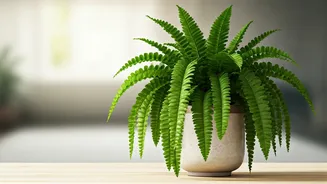
Looking at plants can lower cortisol (the stress hormone), reduce blood pressure, and improve concentration. This is because our brains are softly fascinated by natural patterns, which allows our directed-attention abilities to rest and recover. In a world of notifications and deadlines, a simple fern in the corner of your eye offers a micro-dose of restorative tranquility. It’s a quiet, constant signal to your nervous system that you are in a safe, life-sustaining environment, which helps dial down the fight-or-flight response that defines modern anxiety.
More Than Just a Green Backdrop for Pets
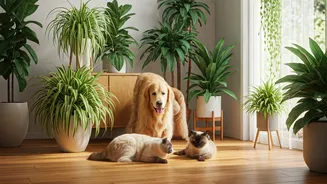
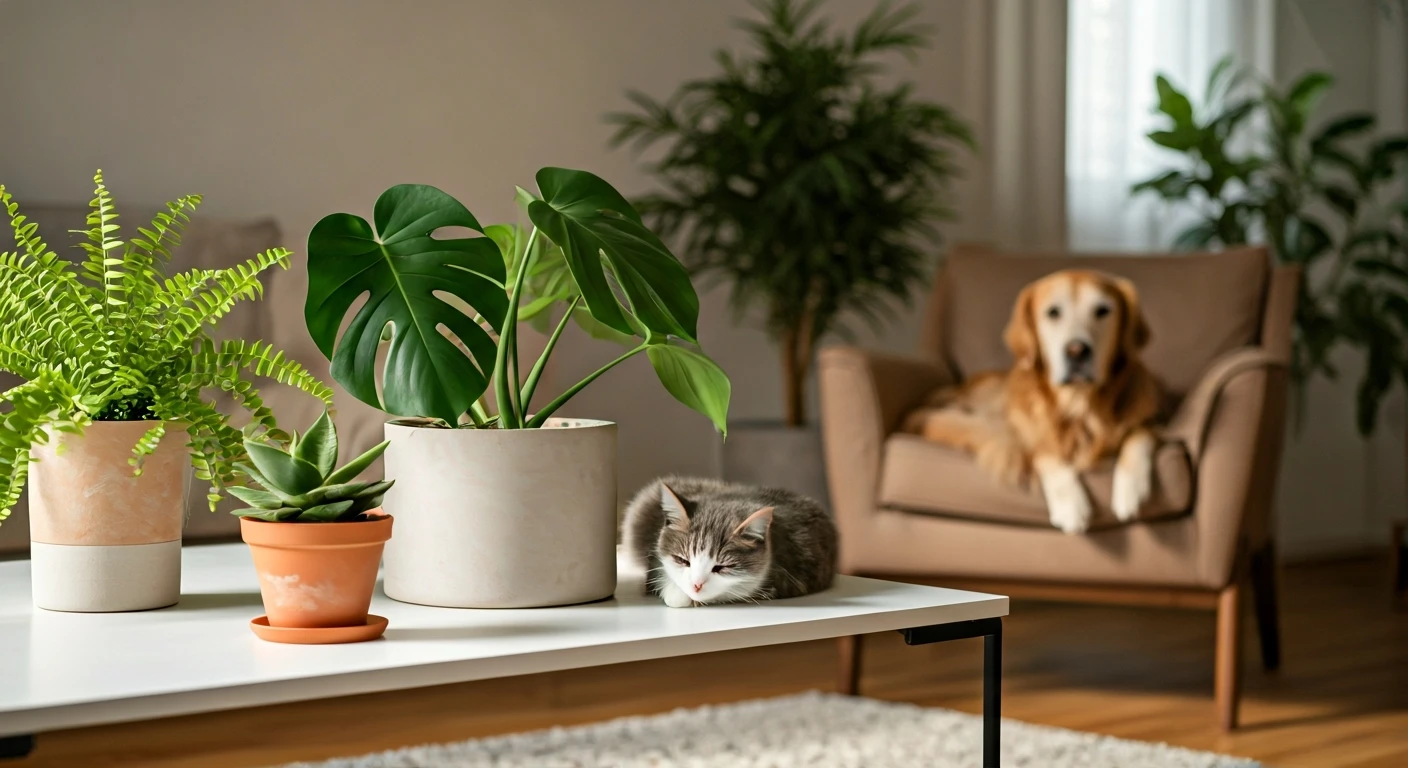
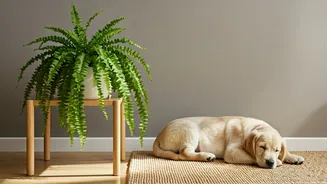
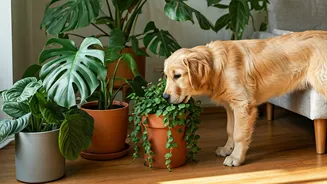
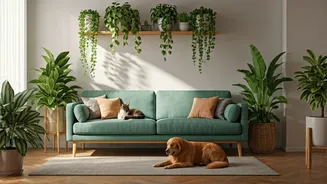
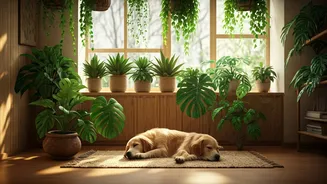
For our dogs and cats, the benefits of a greener room extend beyond simple aesthetics. A carefully curated indoor garden provides crucial sensory enrichment that can combat boredom and anxiety. New smells and textures offer mental stimulation, which is especially important for indoor pets. A cat safely sniffing a spider plant or a dog resting near a fragrant herb pot is an animal engaging its natural instincts. This kind of low-stress stimulation can help reduce unwanted behaviors like destructive chewing or excessive vocalization, which often stem from a lack of environmental engagement. By making their world a little more complex and interesting, you’re not just decorating—you’re contributing to their mental and emotional well-being.
How to Start: Pet-Safe Plant Picks
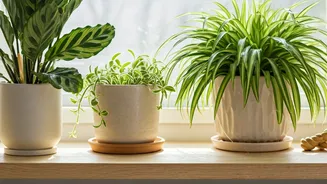
The key to a harmonious, pet-friendly green space is choosing the right plants. Many common houseplants are toxic to cats and dogs if ingested. Always prioritize safety. A great place to start is with species known to be non-toxic. The Spider Plant is a classic for a reason: it's resilient and safe for curious pets. Boston Ferns and Parlor Palms are excellent for adding lush, leafy texture without posing a threat. For something a bit different, a Cast Iron Plant is nearly indestructible and perfectly safe. When you bring a new plant home, place it in an area with appropriate light and remember its watering schedule, but also observe how your pet interacts with it. Even with safe plants, it’s best to discourage them from becoming a chew toy.
A Crucial Warning on Toxicity
While many plants are beneficial, others can be extremely dangerous. Lilies, for example, are incredibly toxic to cats and can cause fatal kidney failure from a small nibble or even contact with the pollen. Sago Palms are highly poisonous to both dogs and cats. Other common culprits include Philodendrons, Pothos, and Snake Plants, which can cause oral irritation, vomiting, and other issues. Before bringing any plant into your home, do your research. The ASPCA maintains an extensive and searchable database of toxic and non-toxic plants for pets. Cross-reference any potential purchase with this list. When in doubt, err on the side of caution—or opt for a high-quality artificial plant, which offers some visual calm without any risk.
Beyond the Planter Box
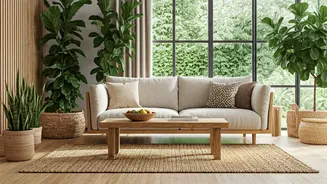
Creating a 'greener' room doesn’t have to stop with live plants. You can embrace the principles of biophilic design in other ways. Incorporate natural materials like wood, jute, stone, and cotton to add warmth and texture. Hang artwork that depicts serene landscapes. Even choosing paint colors found in nature—like soft greens, earthy browns, and sky blues—can contribute to a more calming atmosphere. Consider a small tabletop water fountain for soothing background noise. The goal is to build a multi-sensory environment that reminds your brain and body of the natural world, providing a restorative escape without ever having to leave your home.