



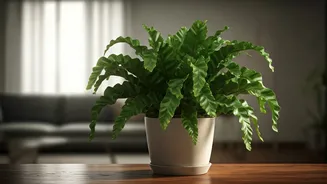


Meet Your New Favorite Fern
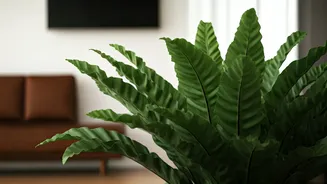
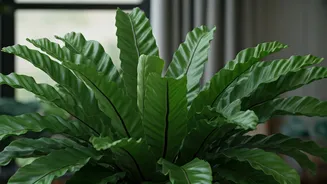
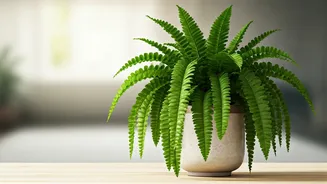
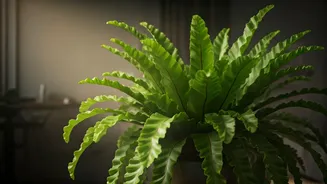
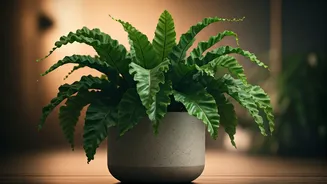
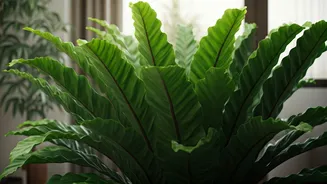
The Bird's Nest Fern, or *Asplenium nidus*, is a plant that makes a statement. Unlike the delicate, feathery fronds of its fern cousins, this variety boasts broad, wavy, and often crinkled leaves that radiate from a central rosette. This unique structure
is how it gets its name; the tight, fuzzy core where new leaves emerge resembles a bird's nest. The fronds themselves are typically a bright, apple-green, bringing an immediate pop of life and color to any space. In their native tropical environments, these ferns are epiphytes, meaning they grow on the surface of other trees, absorbing moisture and nutrients from the air and rain. This backstory is the key to understanding how to make them thrive in your home—they don’t want to sit in a swamp, but they do crave the conditions of a humid forest floor.
The Instant Jungle Vibe
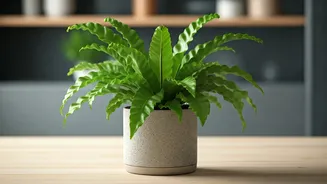
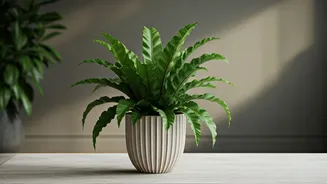
When we talk about “jungle energy,” we’re talking about creating a sense of layered, textured, and untamed greenery. The Bird's Nest Fern delivers this effortlessly. Its wide, undivided leaves provide a bold architectural element that contrasts beautifully with smaller-leafed plants like pothos or philodendrons. A single, well-placed Bird's Nest Fern can act as a living sculpture on a side table, in a minimalist planter on the floor, or as the centerpiece of a plant cluster. The way new fronds slowly unfurl from the center—a process called circinate vernation—provides a captivating, slow-motion display of nature at work. This dynamic growth adds to the feeling of a living, breathing ecosystem in your home, turning a static corner into a vibrant focal point.
Simple Care for Lush Results
Despite its exotic appearance, the Bird's Nest Fern is surprisingly forgiving, making it a great entry point for aspiring plant enthusiasts. The three keys are light, water, and humidity. **Light:** Think of the dappled light filtering through a rainforest canopy. The fern thrives in medium to low indirect sunlight. Direct sun will scorch its delicate leaves, causing them to turn yellow and crispy. An east-facing window or a spot several feet back from a bright south- or west-facing window is ideal. **Water:** Consistency is crucial. Keep the soil evenly moist but never waterlogged. A good rule of thumb is to water thoroughly when the top inch of soil feels dry to the touch. One critical tip: avoid watering directly into the central “nest.” Pouring water into the rosette can trap moisture and lead to crown rot, which is often fatal for the plant. Instead, water the soil around the base of the plant. **Humidity:** As a tropical native, this fern loves humidity. While it can adapt to average household levels, it will truly flourish with a bit more moisture in the air. Placing it in a naturally humid room like a bathroom or kitchen is a great strategy. Alternatively, you can place it on a pebble tray filled with water or group it with other plants, which collectively raise the ambient humidity.
The Peace-of-Mind Plant
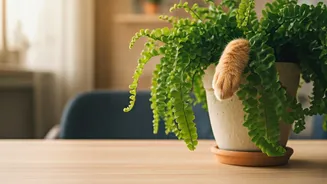
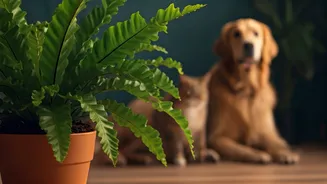
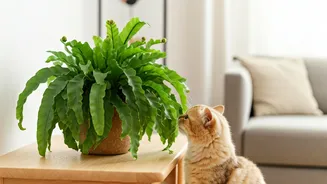
Perhaps the most compelling feature for many American households is the fern’s safety profile. According to the ASPCA (American Society for the Prevention of Cruelty to Animals), the Bird’s Nest Fern is non-toxic to both cats and dogs. This is a huge relief for pet owners who want to fill their homes with greenery but are constantly on guard against potentially harmful plants. Curious cats who nibble on leaves or dogs who might take a playful bite won't be in danger. This safety stamp also extends to households with small, inquisitive children. You can place this plant on the floor or a low shelf to create that lush, grounded look without worrying about accidental ingestion. This freedom from worry allows you to simply enjoy the beauty and atmosphere the plant brings to your space.