

Anchor with a Velvet Statement
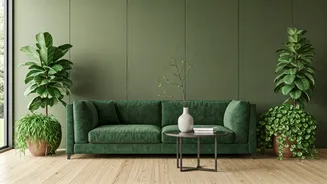
The fastest way to introduce this trend is with a single, high-impact piece. Think of a sofa or a pair of armchairs upholstered in a rich, touchable velvet. The key is the color: move beyond basic jewel tones and explore sophisticated, earthy greens like
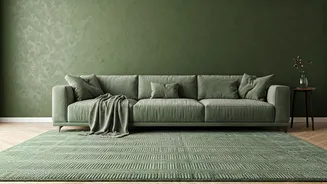
deep olive, moss, or forest green. Velvet has a unique way of absorbing and reflecting light, giving these natural shades an incredible depth and warmth. In a neutral room, a velvet olive-green sofa instantly becomes the focal point, inviting you to curl up. It feels luxurious but not stuffy, perfectly capturing the 'upgraded cozy' aesthetic that designers in cities like New York and Chicago are championing. If a whole sofa feels like too much commitment, start with a velvet ottoman or oversized accent pillows to test the waters.
Layer with Breathable Linens and Cottons
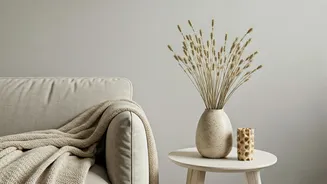
Texture is all about layering, and after you have your anchor piece, it's time to add lighter, contrasting fabrics. This is where materials like linen, washed cotton, and chunky knits come into play. Imagine lightweight, semi-sheer linen curtains in a soft sage green, filtering the afternoon light to create a serene glow. Drape a chunky-knit throw blanket in a creamy white or pale moss over the arm of your velvet sofa. Add a few throw pillows in different shades of green, mixing patterns and materials—a block-printed cotton alongside a simple linen case. This mix of heavy and light, smooth and nubby, creates a tactile landscape that makes a room feel lived-in, comfortable, and visually interesting without being cluttered.
Bring the Outdoors In with Plants
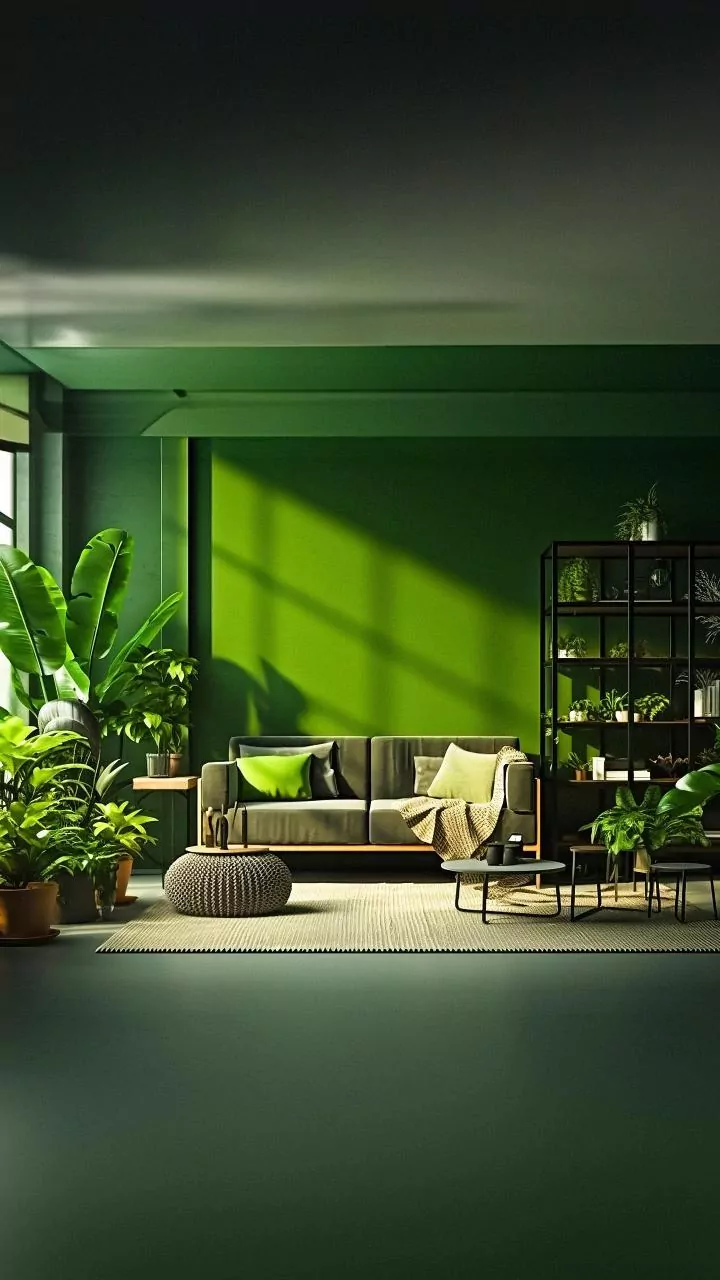
This trend is rooted in biophilic design—the idea that connecting with nature, even indoors, is good for our well-being. The most literal way to embrace this is with living plants. They are the ultimate 'earthy green texture.' A tall Fiddle Leaf Fig can add architectural drama to a corner, while a trailing Pothos can cascade gracefully from a high shelf. Don't have a green thumb? Today's high-quality faux plants are remarkably realistic and offer the same visual benefit without the upkeep. Grouping several plants of varying heights and leaf shapes creates a mini-indoor garden effect. Pay attention to the planters, too. Terracotta, ceramic, or woven baskets add another layer of natural texture that complements the greenery.
Ground the Space with a Textured Rug
A rug is the foundation of a living room, and it's a prime opportunity to double down on earthy texture. Look for rugs made from natural fibers. A jute or sisal rug provides a wonderfully rustic, durable base and a pleasingly rough texture underfoot. For a softer, cozier feel, consider a wool rug. Many modern designs incorporate subtle green elements, either through a variegated weave that blends green with neutral tones or through a contemporary pattern featuring shades of sage, mint, or olive. A great rug doesn't just add color and texture; it defines the conversation area and ties all the other elements of the room together, making the space feel cohesive and complete.
Add Depth with Wall Treatments
If you really want to commit, take the trend to the walls. This doesn't necessarily mean painting the entire room dark green (though a single accent wall can be stunning). Consider modern, textured wall coverings. Grasscloth wallpaper, for example, brings an organic, woven texture to the walls in a huge range of colors, including many beautiful greens. Another increasingly popular option is limewash or Roman clay paint. Applied by hand, these finishes create a soft, mottled, suede-like effect with subtle variations in color and texture. A wall finished in a soft, earthy green limewash provides a perfect, non-reflective backdrop that makes all the other textures in the room—the velvet, the linen, the plants—pop.