
The Search for Authenticity
What does it mean for a home to feel “honest”? It’s a space that doesn’t pretend to be something it’s not. It’s a design language built on authenticity, where materials are celebrated for their true nature rather than being polished into sterile perfection.
For years, the default was laminate masquerading as wood, acrylic pretending to be stone, and polyester mimicking silk. While practical, these synthetic materials create a subtle but persistent sense of artifice. The shift toward natural materials is a direct response to this. It’s a collective exhale, a turning away from the mass-produced and toward things that have a story, a texture, and an origin we can trace back to the earth. An honest home feels grounded, calming, and deeply comfortable because it’s filled with objects and surfaces that are unapologetically themselves.
Wood: The Foundation of Warmth
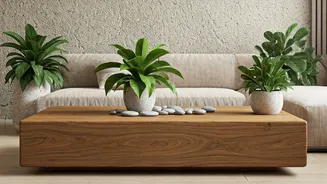
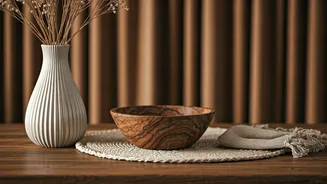
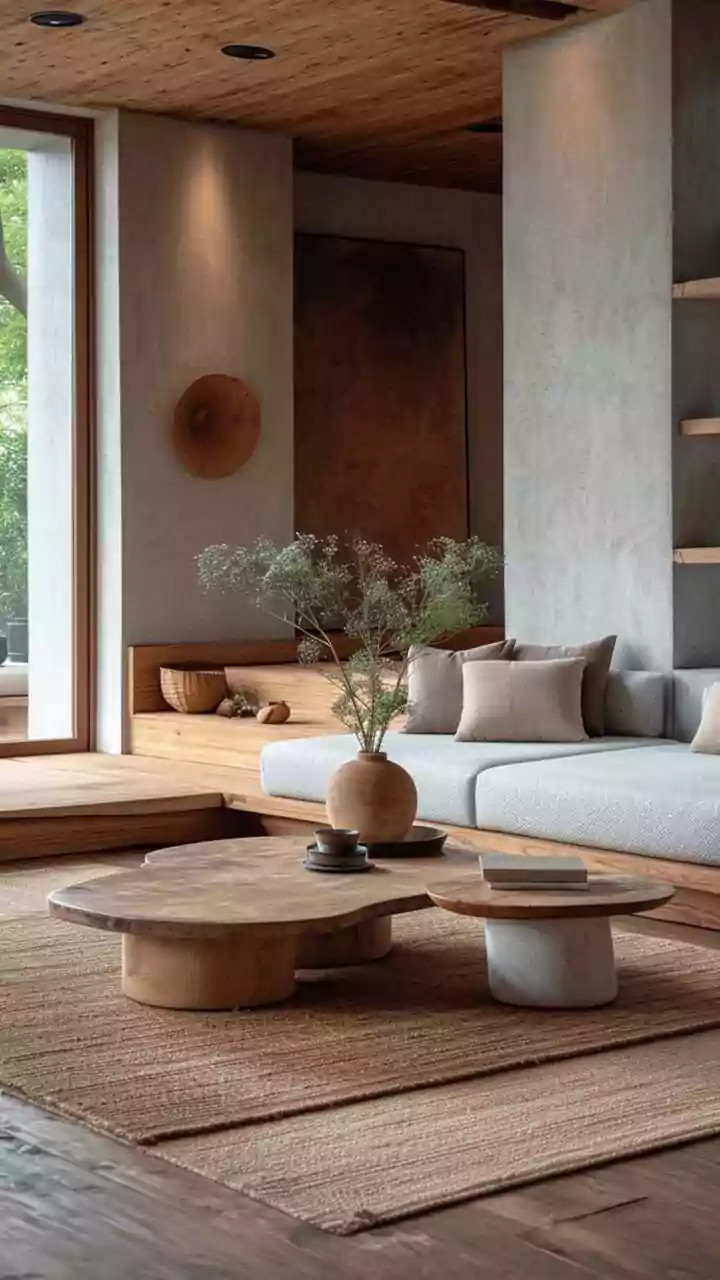
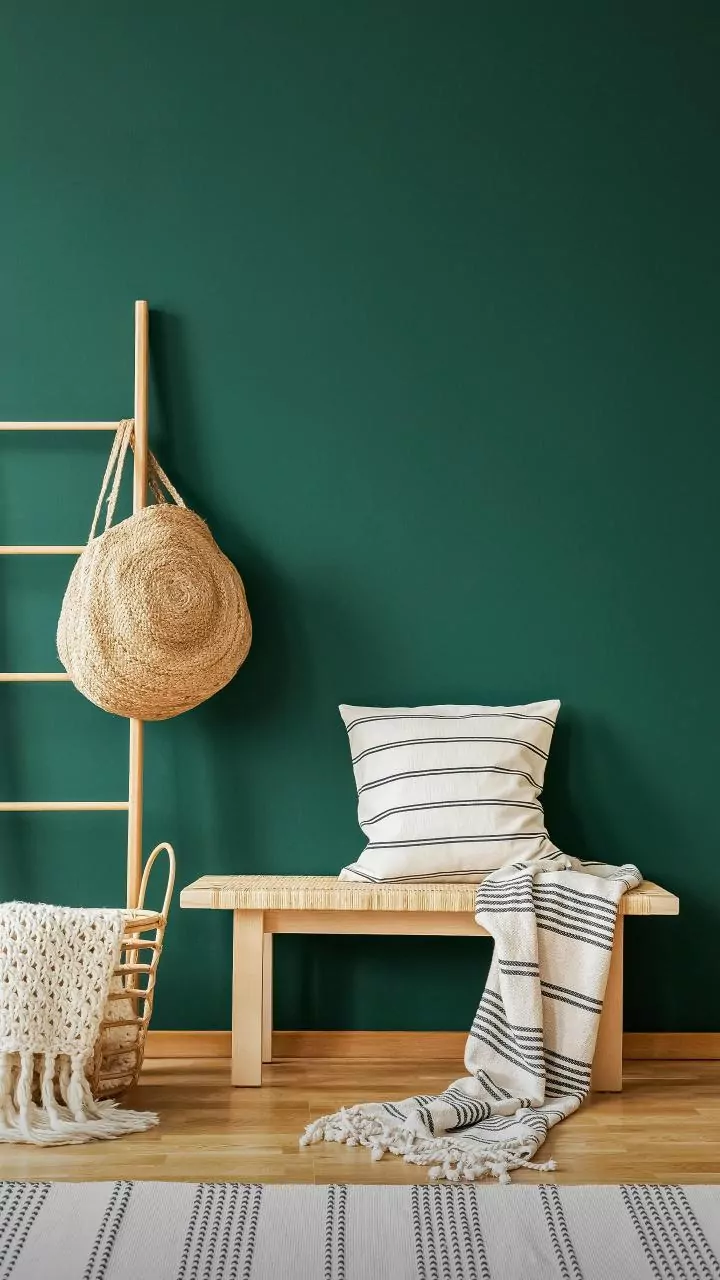
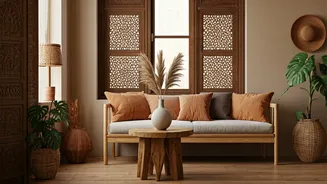
Wood is the cornerstone of this movement. Whether it’s a rustic oak dining table, a smooth maple countertop, or an unfinished cedar accent wall, wood brings an unparalleled sense of life and warmth into a room. Unlike manufactured surfaces, every piece of wood tells a story through its grain, knots, and subtle color variations. These aren't flaws; they are a record of the tree's life. This connection to a living thing is a core principle of biophilic design, which seeks to integrate nature into our built environments to improve our well-being. Using wood—especially reclaimed or minimally processed wood—allows a home to feel anchored and stable. Its tactile quality invites touch, connecting us physically to the natural world and providing a comforting counterpoint to the cold, smooth screens that dominate our daily lives.
Stone and Earth: A Grounding Force
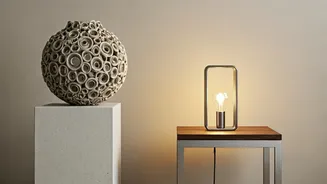
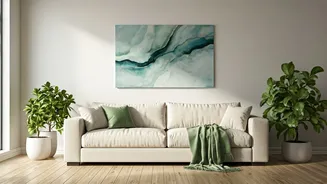
If wood provides warmth, then stone and earth provide a cool, grounding permanence. Materials like travertine, slate, marble, and terracotta connect a space to the very ground it’s built on. For a long time, high-gloss, perfectly uniform stone was the ideal. Today, designers and homeowners are embracing honed, matte, or even rough-hewn finishes that highlight the material's raw beauty. The subtle veining in a slab of marble or the porous texture of a terracotta tile speaks to geological time. These materials are heavy, solid, and cool to the touch, offering a sensory experience that feels ancient and calming. They create a sense of sanctuary, a feeling that your home is a sturdy, protective shelter. Clay and plaster walls, with their soft, light-absorbing surfaces, further enhance this by creating a cocoon-like atmosphere that feels both primitive and highly sophisticated.
Textiles That Can Breathe
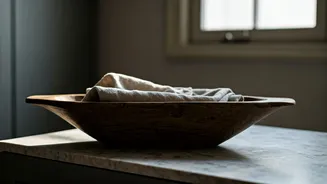
The pursuit of honesty extends to the softest elements in our homes. Stiff, synthetic fabrics like polyester and nylon are being swapped for textiles that breathe and move. Linen, with its characteristic rumple and soft drape, is the star player. A set of linen curtains that billow in the breeze or a crumpled linen duvet feels relaxed and unpretentious. It doesn’t demand perfect ironing; its beauty lies in its lived-in imperfection. Similarly, wool, cotton, and jute bring texture and softness that feel genuine. A chunky wool throw, a nubby jute rug, or simple cotton canvas upholstery adds layers of comfort that are both visual and physical. These fabrics age well, often becoming softer and more appealing over time, reinforcing the idea that a home should evolve with its inhabitants, not remain a static showroom.
Why Imperfection Is the Point
Ultimately, the honesty of natural materials comes from their perfect imperfection. The Japanese philosophy of wabi-sabi finds beauty in things that are imperfect, impermanent, and incomplete. This mindset is at the heart of the natural materials trend. A hairline crack in a stone sink, a water ring on an unoiled wood table, or the natural fading of a cotton pillow aren't signs of failure. They are evidence of life. These marks tell the story of meals shared, glasses set down, and sunny afternoons. By choosing materials that show their age and history, we are creating spaces that feel less like a magazine spread and more like a home. We are allowing our environment to be a true reflection of our lives—messy, beautiful, and completely authentic.