




A City Washed Anew
There are places that feel made for a particular season, and for Udaipur, that season is the monsoon. When the rains finally arrive, typically between July and September, the entire city seems to exhale. The formidable heat of the Rajasthani summer breaks,
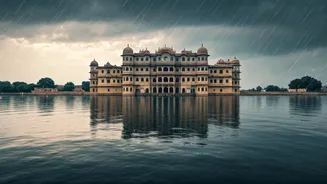
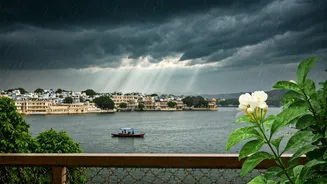
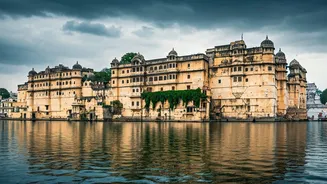
and a soft, pearlescent light drapes over everything. The white marble of the palaces gleams, scrubbed clean by the downpour, and the golden-hued sandstone of the city’s buildings deepens into a rich, saturated ochre. Often called the “Venice of the East,” Udaipur’s true character emerges when water is everywhere—not just in its famous lakes, but cascading from rooftops, slicking the cobblestone lanes, and collecting in shimmering pools that reflect the sky.
The Soul of the Havelis
At the heart of this transformation are the havelis, the ornate, historic mansions that line the narrow streets and overlook the water. These are not mere houses; they are architectural marvels, built by nobles and wealthy merchants centuries ago. Their defining features—intricate jharokhas (overhanging enclosed balconies), latticed stone screens known as jalis, and sprawling internal courtyards—are designed for both beauty and function. During a rainstorm, water channels through ancient systems, creating gentle waterfalls in the courtyards. The detailed carvings on their facades, depicting everything from elephants to floral motifs, seem to gain depth and shadow as they are darkened by moisture. Standing before a haveli like the famous Bagore-ki-Haveli on the waterfront, you can almost hear the echoes of a bygone era, its grandeur momentarily revived by the cleansing rain.
Lakes Full to the Brim
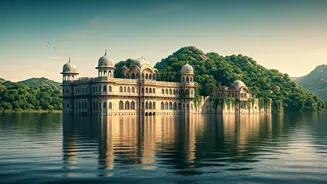
Udaipur’s identity is inseparable from its man-made lakes, primarily Lake Pichola and Fateh Sagar Lake. The monsoon replenishes these vast bodies of water, which can shrink dramatically in the dry season. When full, they transform the landscape into a painter’s dream. The iconic Lake Palace, which appears to float magically on the water’s surface, looks less like a hotel and more like a mirage. The Jag Mandir palace, another island jewel, stands proudly amidst the gentle ripples. A boat ride on a post-rain afternoon is an essential Udaipur experience. The water is a perfect mirror, reflecting the sprawling City Palace complex on its eastern bank and the lush, green Aravalli Hills that cradle the city. The usual tourist chatter is often hushed, replaced by the quiet hum of the boat and the awe of seeing a city in perfect harmony with its environment.
A Palette of Green and Gold
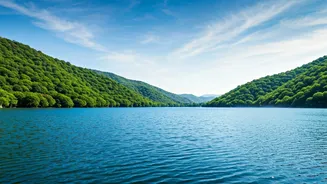
While the city itself is a spectacle of stone and water, the monsoon also breathes life into the surrounding landscape. The arid Aravalli Hills, one of the oldest mountain ranges in the world, undergo a dramatic change. Their typically brown, scrubby slopes turn a vibrant, velvety green. This lush backdrop creates a stunning contrast with the golden and white architecture of the city. Driving to the Monsoon Palace (Sajjan Garh), perched high on a hill, offers a panoramic view of this effect. From that vantage point, you can watch clouds drift over the swollen lakes and verdant hills, momentarily obscuring and then revealing the city below. It is a view that feels both epic and deeply serene, capturing the essence of why this season unlocks Udaipur’s most aesthetic side.