









The Closing of the Gates
Across India’s most famous national parks—from Ranthambore’s historic forts to Bandhavgarh’s dense sal forests—a quiet but profound shift is underway. Sometime around mid-June, the last safari gypsies loaded with tourists will rumble out, their occupants
carrying final, sun-drenched memories of a striped predator. Then, the great gates of the parks will swing shut, not to reopen for three to four months. This isn’t a sign of trouble; it’s an act of reverence for a force far greater than any park management plan: the monsoon. For the next 100 days, the jungle is given back to itself, free from the hum of engines and the click of cameras. It’s a mandatory sabbatical, a hard reset for one of the planet’s most charismatic and endangered ecosystems.
A Necessary Surrender to Nature
The primary reason for the closure is practical. The monsoon rains, which can dump several inches in a single downpour, transform the dusty, navigable tracks of the dry season into impassable rivers of mud. Safari vehicles would become hopelessly bogged down, and access for forest rangers conducting anti-poaching patrols becomes nearly impossible. Flash floods can wash away bridges and make river crossings treacherous. It’s a simple surrender to the logistical reality of a tropical deluge. Furthermore, this period is a critical breeding season for many species, including the tiger’s primary prey like deer and wild boar. The enforced peace and quiet provides a less stressful environment for animals to mate and give birth, ensuring the health of the entire food chain for the year to come.
The Jungle Reborn
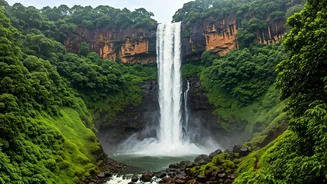
While the parks are closed to humans, they are anything but dormant. The rain is a shot of adrenaline for the landscape. Parched riverbeds swell into rushing torrents. Brown, brittle vegetation explodes into a riot of emerald green. The thick, new foliage offers unparalleled camouflage for predators and prey alike, dramatically altering the rules of engagement. For tigers, the living is suddenly different. Prey is more dispersed, no longer tethered to the few remaining waterholes of the dry season. Hunting becomes more challenging, requiring greater stealth and patience as the dense undergrowth conceals every movement. For cubs born earlier in the year, it’s a crucial period of learning to navigate this changed, lusher world under their mother’s guidance. The rain washes the land clean, replenishing the water table and setting the stage for the abundance of the coming winter.
The Other Side of the Break
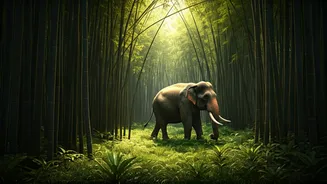
This annual pause is not without its own set of challenges. The thick vegetation that provides cover for wildlife also provides it for poachers, who may try to exploit the difficult conditions that hamper forest department patrols. Constant vigilance is required, with guards often conducting long, arduous patrols on foot or even by elephant back. For the local economies that have blossomed around tiger tourism, the monsoon is the lean season. Guides, drivers, and hotel staff must find other work or rely on savings to get through the months without visitors. It’s a difficult but accepted part of the rhythm of life in tiger country, a fallow period that everyone understands is necessary for the long-term prosperity that the tigers bring to the region when the gates swing open again in October.