

Defining the Greyscale
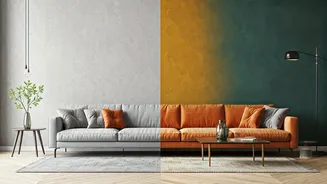
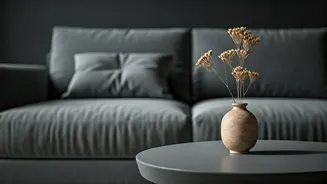
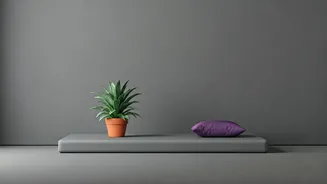
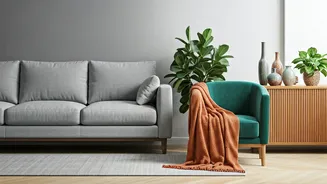
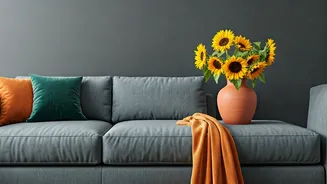
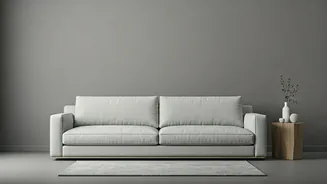
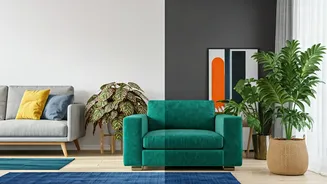
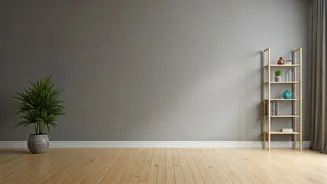
Before we get to the roasting, let’s define the subject. “Millennial Grey” isn’t just any shade of grey. It’s a very specific aesthetic that conquered American interiors over the last decade. Think cool-toned grey walls, often with a hint of blue, paired
with grey luxury vinyl plank (LVP) flooring that replaced once-coveted hardwood. The palette is relentlessly neutral, often accented with white trim and stainless steel appliances.
This isn’t the warm, cozy grey of a wool sweater. It’s the sleek, impersonal grey of a direct-to-consumer startup’s logo or a new condo’s staging furniture. It became the go-to choice for house flippers and landlords aiming for a look that was clean, modern, and, most importantly, inoffensive. The goal wasn’t to express personality, but to erase it, creating a blank canvas that would appeal to the widest possible range of buyers or renters.
How Grey Conquered the Decade
This trend didn’t emerge from a vacuum. Its rise was perfectly timed with several cultural and economic shifts. In the aftermath of the 2008 financial crisis, the housing market was dominated by caution. Homeowners, influenced by the burgeoning popularity of HGTV shows like Fixer Upper and Property Brothers, were told that neutral palettes increased resale value. Grey was marketed as the sophisticated, updated alternative to the beige and taupe that dominated the ‘90s and early 2000s.
For millennials entering the housing market, many burdened with student debt and seeking affordability, the “flipper grey” special was often the only option. New builds and renovated rentals were awash in the color. It signaled newness and cleanliness, a departure from the dated, lived-in spaces of previous generations. For a while, it felt chic, minimalist, and adult. It was the safe choice in an uncertain economic climate.
The TikTok Takedown
But taste is cyclical, and the internet is merciless. The backlash against Millennial Grey began as a murmur and grew into a roar, largely fueled by Gen Z creators on TikTok. Videos went viral mocking the “sad beige” and “soulless grey” aesthetic. Users post tours of homes where every single surface is a slightly different shade of grey, often set to melancholic music. The comment sections are brutal, with users describing the style as “the inside of a dust buster,” “a hospital waiting room,” or “the official color of a loveless marriage.”
The critique is two-pronged. Aesthetically, it’s seen as boring, sterile, and utterly devoid of personality. Culturally, it's viewed as a symbol of bland corporate conformity and the commodification of home life. The critics aren't just mocking a color; they're rejecting the idea that a home should look like an asset to be liquidated rather than a space to be lived in.
The Maximalist Rebellion
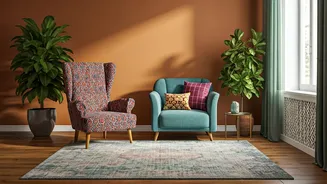
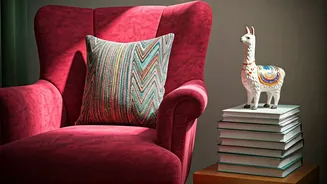
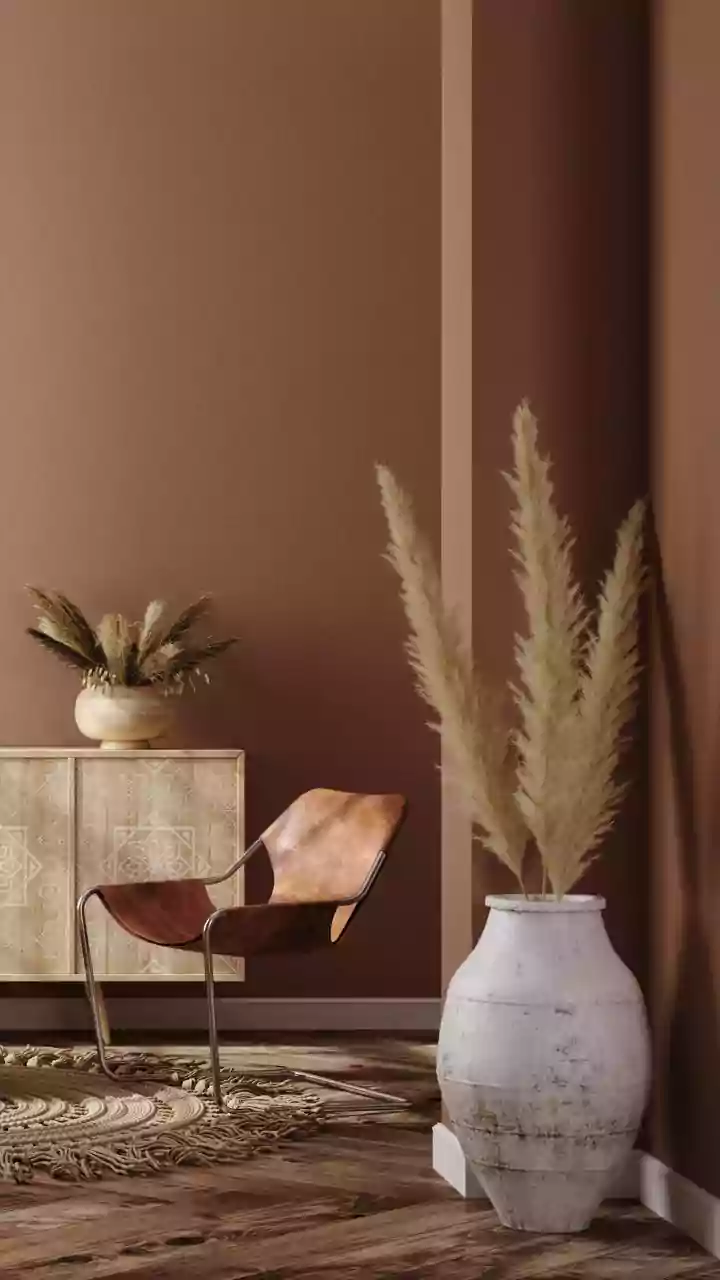
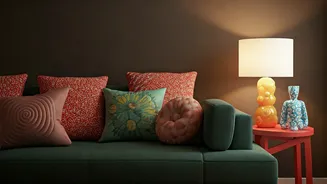
The rejection of Millennial Grey is fueling its aesthetic opposite: a return to maximalism. Younger decorators are embracing bold colors, clashing patterns, vintage furniture, and highly personal collections of art and ephemera. If grey was about erasing personality for the sake of resale, the new wave is about celebrating individuality, quirks and all. It’s a pivot from sterile minimalism to curated chaos.
This shift reflects a deeper generational desire for authenticity and joy in one’s personal space, especially after years of pandemic-induced home confinement. People want their homes to be a refuge that reflects who they are, not a generic, market-ready shell. The anti-grey movement is a vote for warmth, character, and color—a declaration that a home should feel like, well, a home.