


The Truth About Marigolds and Water
Marigolds have a reputation for being tough, drought-tolerant workhorses of the garden, and for good reason. They can certainly handle dry spells better than many other annuals. This often leads gardeners to believe they prefer to be kept on the dry side.
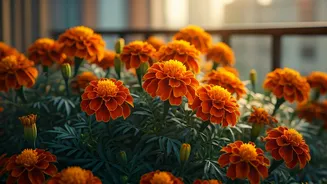
However, the secret to turning a good marigold display into a great one isn't drought—it's consistency. While they don't want to sit in a puddle, marigolds thrive on steady, even moisture, especially during their initial growth and budding phases. A period of gentle, regular rain provides exactly that, delivering consistent hydration without the shock of a sudden deluge from a garden hose. This steady supply of water allows the plant to focus its energy on producing lush foliage and, most importantly, an abundance of flowers.
The Golden Rule: Excellent Drainage
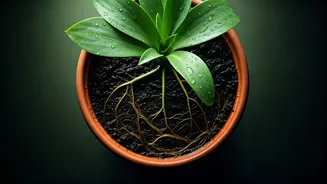
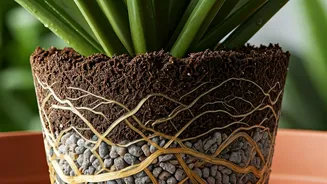
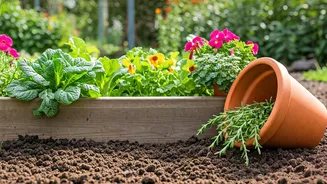
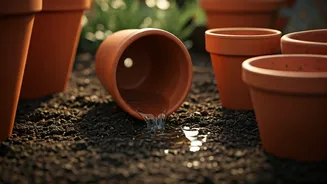
Here's the crucial caveat to the “rain is good” rule: marigolds despise having “wet feet.” Their roots are susceptible to rot if left in standing water or soggy, compacted soil. This is where many well-intentioned gardeners go wrong during a wet season. The success of marigolds in rainy months depends almost entirely on drainage. For container gardens, this is simple: ensure every pot has plenty of drainage holes. Never let a pot sit in a saucer full of water for an extended period. For in-ground garden beds, the solution lies in soil composition. If you have heavy clay soil that holds water like a sponge, amend it with compost or other organic matter before planting. This creates a lighter, more friable texture that allows excess water to drain away, keeping the roots happy and healthy while retaining just the right amount of moisture.
Harnessing a Wet Season for Good
A rainy forecast for the week doesn't have to spell doom for your marigolds. In fact, you can use it to your advantage. Proper spacing is your first line of defense. Planting marigolds with enough room between them for air to circulate helps leaves dry out faster after a shower, dramatically reducing the risk of fungal diseases like powdery mildew, which can thrive in damp, stagnant conditions. Applying a layer of organic mulch, such as shredded bark or straw, is another pro move. Mulch acts as a buffer, helping the soil retain an even level of moisture during dry spells while also preventing heavy raindrops from compacting the soil surface and creating runoff. It moderates the soil environment, protecting roots from the extremes of both drought and downpour.
Decoding Your Marigold's Needs
How do you know if your marigolds are getting the right amount of water? The plants will tell you. If the lower leaves are turning yellow and the stems feel mushy at the base, you're likely dealing with overwatering and potential root rot. Conversely, if the leaves are wilting during the hottest part of the day and feel dry or crispy, the plant is thirsty. The goal is soil that feels like a wrung-out sponge—moist, but not dripping wet. During a long stretch without rain, check the soil an inch or two below the surface. If it's dry, it's time to water deeply at the base of the plant. A deep, infrequent watering is always better than a light, daily sprinkle, as it encourages the roots to grow deeper into the soil where they are more protected from surface drying.
Not All Champions Are Created Equal
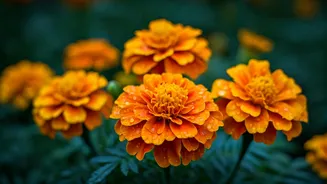
While the general rules apply to all, different types of marigolds can have slightly different preferences. African marigolds (*Tagetes erecta*), with their large, globe-like blooms, are taller and can be more top-heavy. They appreciate the strong root systems that consistent moisture helps build. French marigolds (*Tagetes patula*) are more compact and often more tolerant of a wider range of conditions, making them a fantastic, resilient choice for borders and pots. Signet marigolds (*Tagetes tenuifolia*) have fine, lacy foliage and are also quite tough, but like their cousins, they will put on their best show with water consistency. Regardless of the variety, they all share a common enemy: soggy, airless soil.