






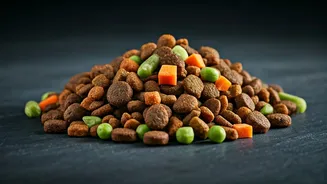
From the Scoop to the Subscription Box
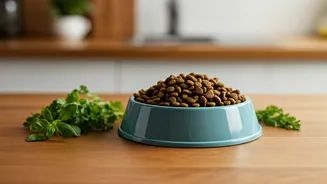
For decades, feeding a dog or cat was a simple affair. You bought a big bag of dry food, measured out a scoop, and that was that. But a seismic shift is underway, driven by a simple, powerful idea: what if our pets’ food was as thoughtfully prepared as our own?
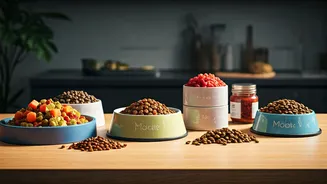
The one-size-fits-all model is being replaced by a dizzying array of personalized options. We’re talking about fresh, human-grade food cooked in small batches and delivered to your door; custom-blended kibble formulated based on your dog's breed, age, and activity level; and even futuristic diets supposedly tailored to your pet’s unique genetic makeup. This isn't just a niche trend for the ultra-wealthy. It’s a booming, multi-billion dollar industry powered by venture capital and the powerful emotional bond we share with our animals. Companies like The Farmer’s Dog, Nom Nom, and Ollie have become household names for a generation of pet owners who see their furry companions as more than just pets—they’re family members who deserve the best.
The 'Humanization' of the Pet Bowl
So, why the sudden explosion in bespoke pet food? The answer lies in a phenomenon experts call “pet humanization.” As more millennials and Gen Zers become pet owners, they are bringing their own values and lifestyle choices to the pet aisle. The same person who tracks their macros, buys organic produce, and scrutinizes ingredient labels for their own food is now doing it for their Labrador. The wellness trends that dominate our lives—from gluten-free and grain-free to paleo and clean eating—have trickled down to our four-legged friends. This isn’t just about health; it’s about emotion. Providing a special, customized meal is an act of love and care. Startups in this space have masterfully tapped into this sentiment. Their marketing speaks to our anxieties as pet parents, promising to solve common ailments like itchy skin, digestive issues, and low energy with the power of pristine nutrition. They've turned feeding time from a chore into a wellness ritual.
What's Actually on the Menu?
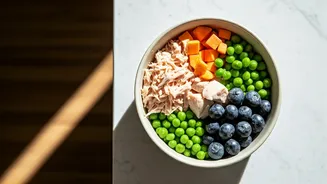
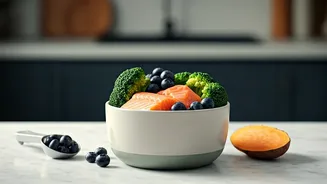
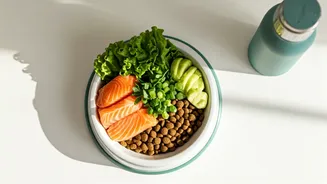
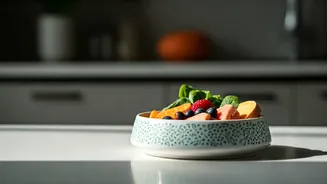
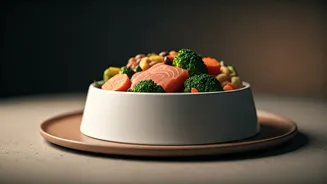
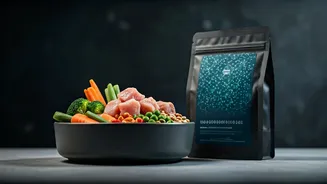
The new world of pet food goes far beyond simple kibble. The most popular category is fresh-cooked food subscriptions. These services have you fill out an extensive online questionnaire about your pet—detailing everything from their current weight and body condition to their activity level and any known allergies. Based on your answers, they create a customized meal plan with pre-portioned pouches of food made from ingredients like turkey, beef, sweet potatoes, and kale. It’s essentially a meal-kit service, but for your dog. For those not ready to abandon dry food, companies like Purina’s Just Right offer custom-blended kibble. The process is similar: an online quiz generates a unique formula, which is then mixed, bagged with your pet’s name and photo on the label, and shipped to you. At the most advanced (and most debated) end of the spectrum are services that use a DNA test to analyze your pet’s genetic predispositions and recommend an ideal diet. The pitch is ultimate personalization, promising a roadmap to your pet's optimal health based on their very biology.
The Vet's-Eye View
With all this innovation, what do the experts think? The veterinary community’s response is cautiously optimistic, with a heavy dose of skepticism. On one hand, many vets are pleased that owners are paying closer attention to their pet’s nutrition. The emphasis on maintaining a healthy weight through pre-portioned meals is a huge plus, given the pet obesity epidemic. High-quality, digestible ingredients can also be great for picky eaters or pets with sensitive stomachs. However, veterinarians also have significant concerns. The biggest is the lack of regulation and peer-reviewed research for many direct-to-consumer brands. A diet formulated by a board-certified veterinary nutritionist is the gold standard, but not all of these new companies meet that bar. There's a real risk of nutritional deficiencies or excesses if a diet isn't properly balanced. Furthermore, many vets caution against raw food diets due to the risk of bacterial contamination (like Salmonella and E. coli) that can sicken both pets and the humans in the household.