



Redefining Curb Appeal
For decades, the American yard has been a stage for aesthetic ambition. We’ve meticulously cultivated rose bushes that demand constant attention, planted finicky hydrangeas in soil they hate, and poured money into vast, thirsty lawns that offer little
more than a green canvas to be mowed. These were our “decorative experiments,” a way to signal care and prosperity. But a significant cultural shift is underway, accelerated by the pandemic and cemented by today’s economic realities. The new status symbol isn’t a flawless flower bed; it’s a row of robust tomato plants, a pot of fragrant basil on the patio, or a trellis heavy with snap peas. What was once seen as a rustic hobby is now being recognized as a smart, modern, and deeply satisfying approach to managing our personal green spaces. It’s a pivot from passive beauty to active productivity.
The ROI on a Row of Carrots
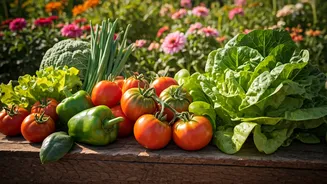
Let’s talk numbers. A single packet of lettuce seeds can cost less than a single head of organic romaine at the supermarket, yet it can yield months of fresh salads. A healthy tomato starter plant might run you five dollars, but it can produce 10 to 20 pounds of fruit that would cost five times that amount at the farmer’s market. With grocery prices remaining stubbornly high, the economic argument for edible gardening has never been stronger. This isn’t about achieving total self-sufficiency overnight. It’s about strategic supplementation. Growing your own herbs, salad greens, and high-yield summer squash can noticeably reduce your weekly grocery bill. Think of it as a delicious investment. The time and water you once spent on a purely decorative patch of grass can be redirected toward something that pays you back, one meal at a time.
More Than Just the Money
The benefits of an edible garden extend far beyond your wallet. There is simply no comparing the flavor of a sun-warmed tomato picked right off the vine to its pale, travel-weary supermarket cousin. Growing your own food gives you complete control over what goes into it, allowing you to avoid pesticides and herbicides if you choose. Environmentally, it’s a clear win. You’re drastically reducing food miles—the distance your food travels from farm to plate—and contributing to local biodiversity. Perhaps most importantly, the act of gardening itself is a powerful antidote to a digitally saturated life. It reconnects you with the seasons, provides gentle physical activity, and offers a tangible sense of accomplishment that scrolling through a feed can never replicate. Watching a seed sprout and become food is a primal, grounding experience that many of us are craving.
You Don't Need a Farm
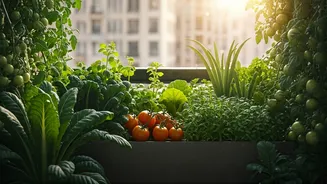
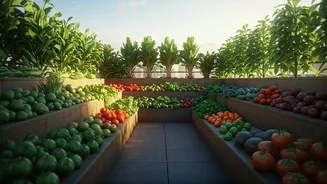
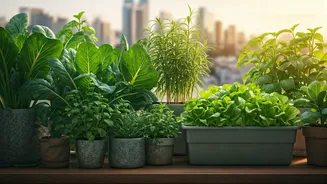
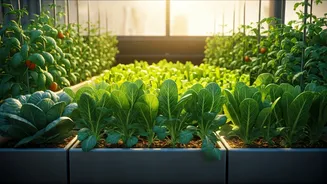
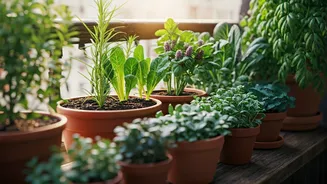
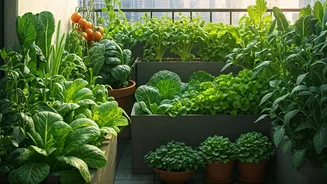
The most common excuse for not growing food is a perceived lack of space. But you don’t need sprawling acreage to get started. The modern edible gardening movement is built on ingenuity. Have a sunny balcony? You can grow herbs, peppers, and even small tomato varieties in containers. Limited to a patio? A vertical garden can produce an astonishing amount of lettuce, strawberries, and peas in just a few square feet. Even those with traditional yards can start small without a total overhaul. The concept of “foodscaping” involves integrating edible plants directly into your existing ornamental beds. A border of colorful Swiss chard can be just as beautiful as a row of coleus, and artichoke plants have a dramatic, sculptural quality that rivals many decorative shrubs. Blueberry bushes offer spring flowers, summer fruit, and brilliant fall foliage. It’s about working with what you have and making smarter plant choices.