


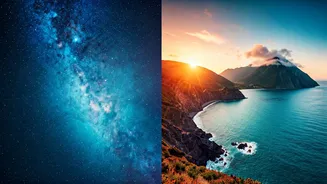

The Rise of the 'View-First' Vacation
Welcome to the era of the 'view-first' traveler. It’s a fundamental shift in how we plan our escapes, driven by a desire for experiences that are as photogenic as they are profound. For decades, a hotel was a basecamp—a functional place to sleep after
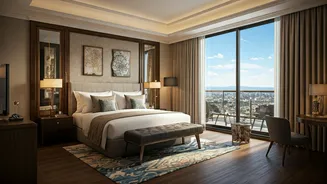
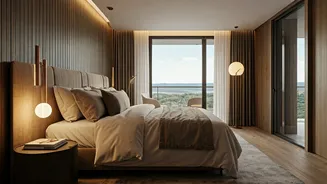
a long day of exploring a city or region. The destination was the hero. But now, for a growing number of travelers, the hotel room *is* the destination. The main attraction isn’t a museum or a monument; it’s the private, perfectly framed vista of the world outside your window. This isn't just about social media bragging rights, though the power of an 'Instagrammable' moment is undeniable. It speaks to a deeper change in travel philosophy. In a hyper-connected, often chaotic world, the hotel room has evolved into a sanctuary. It’s a private theater where the show—be it a glittering skyline, a serene ocean, or a parade of wildlife—is performed just for you. Hotels have leaned into this, designing rooms not with beds and desks, but with windows and balconies as the central feature, understanding that the view is their most valuable amenity.
The Infinite Blue Horizon
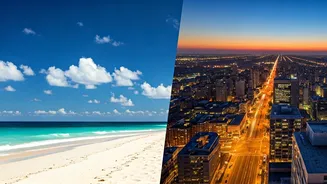
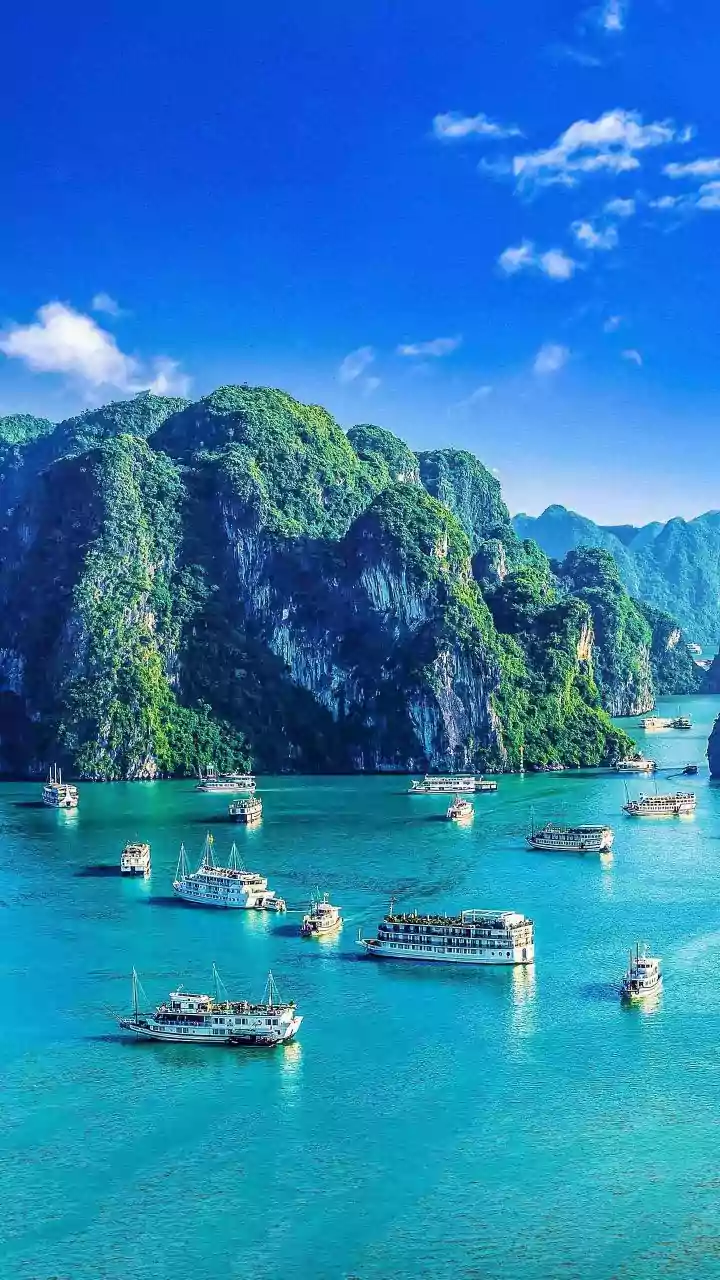
There is something primal and deeply calming about a water view. It’s the original luxury vista, and it remains the most sought-after. Hotels from the cliffs of Big Sur to the shores of Santorini have mastered the art of framing the ocean. Think of the Post Ranch Inn in California, where rooms seem to float 1,200 feet above the Pacific, offering a front-row seat to migrating whales and dramatic sunsets. Or consider the iconic blue-domed cave houses of Oia, where each private terrace is a stage for the Aegean Sea’s daily performance. But the ultimate expression of this trend is the overwater bungalow, a concept perfected in places like the Maldives and Bora Bora. Here, the separation between room and nature dissolves entirely. Glass floors reveal the vibrant marine life below, while private decks lead directly into the turquoise lagoon. Waking up doesn't just mean seeing the ocean; it means being *in* it. You don’t travel to the Maldives to see the sights; you travel there to inhabit this specific, sublime view.
The City That Never Sleeps, From Your Pillow
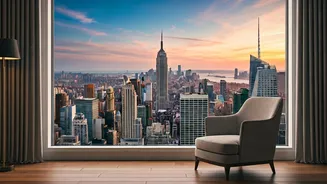
The allure of the view isn't limited to natural landscapes. For many, the ultimate panorama is a sprawling, glittering cityscape. An urban view offers a different kind of thrill: a feeling of being at the center of human energy while remaining in your own peaceful, elevated cocoon. Hotels in global hubs like New York, Tokyo, and Dubai compete fiercely for the best skyline sightlines. A classic example is the Park Hyatt Tokyo, immortalized in the film *Lost in Translation*. Its high-floor rooms offer a mesmerizing, almost abstract view of Tokyo’s endless urban grid. It’s a view that invites contemplation, making you feel both connected to and detached from the millions of stories unfolding below. Similarly, looking out over Central Park from a high floor on Billionaires' Row in Manhattan, or watching the synchronized fountain show from a room overlooking the Burj Khalifa in Dubai, transforms the city from a place you visit into a spectacle you observe. The noise, the crowds, the chaos—it all melts away into a silent, sparkling tapestry.
An Immersion in Wild Nature
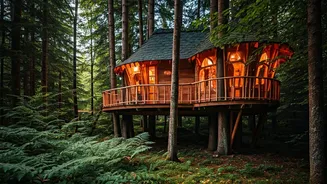
Perhaps the most compelling argument for view-first travel comes from hotels that offer an active, living panorama. These are places where the view isn't just a static picture but a dynamic encounter with the natural world. Imagine lying in a heated glass igloo at Finland's Kakslauttanen Arctic Resort, watching the Northern Lights dance directly above your bed. The destination isn't Finland; it's the aurora borealis, and the room is your portal. Consider Giraffe Manor in Kenya, where the main event is the herd of Rothschild's giraffes that poke their long necks through the windows in search of a treat. Or Jade Mountain in St. Lucia, whose three-walled 'sanctuaries' completely open up to a staggering view of the Piton mountains, with hummingbirds flitting past your private infinity pool. In these instances, the architecture is intentionally minimized to maximize the connection with the environment. The room is no longer just a place to see the world from—it’s a place where the world comes right in.