


From 'Ethnic' Aisle to Center Stage
For decades, finding traditional Indian snacks in the U.S. often meant a trip to a specialty grocery store, where products sat in functional, no-frills packaging. They were made for an audience that already knew what it was looking for. But a fundamental
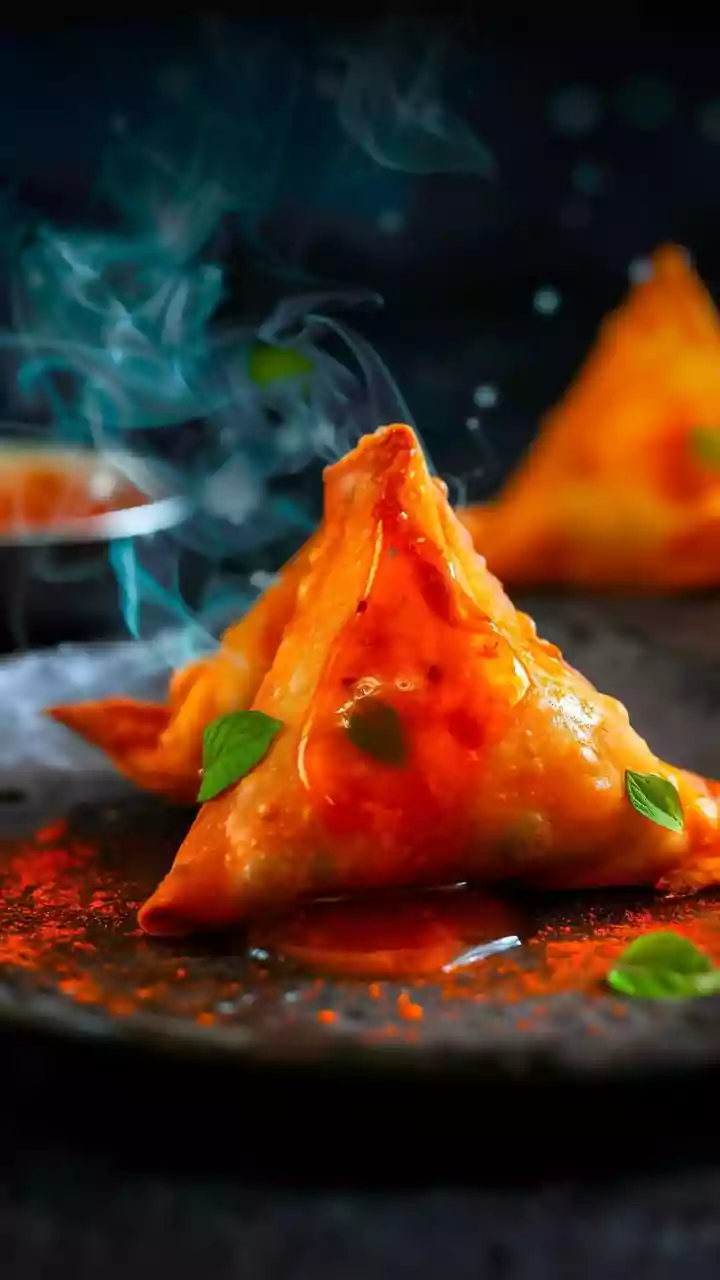
shift is underway. Suddenly, snacks like murukku, makhana, and chikki aren't just hiding in the 'international' section; they're appearing in mainstream supermarkets and direct-to-consumer boxes with stunning, eye-catching designs. This isn't just about better graphic design. It's a strategic move by a new generation of food founders who understand that for a product to cross over, it needs more than just a barcode. It needs a soul. These new brands are ditching the generic for the personal, betting that American consumers are hungry not just for new flavors, but for the authentic stories behind them.
The Second-Generation Remix
The driving force behind this movement is often second-generation Indian Americans. Growing up between two cultures, they possess a unique perspective. They have a deep, nostalgic connection to the foods of their heritage but also a native understanding of the American consumer market, branding, and social media. They’re not just translating old recipes; they’re curating an entire experience. Their company websites and Instagram feeds often read like personal essays. They share stories of learning to make these snacks with their 'Paati' (grandmother), the specific region a spice blend comes from, or the childhood memory a certain flavor evokes. By embedding their own identity into the brand, they transform a bag of snacks from a simple commodity into a piece of cultural heritage. It’s a powerful invitation: 'This is a part of my story. Now, it can be a part of yours.'
Spotlight: The Superfood Rebrand
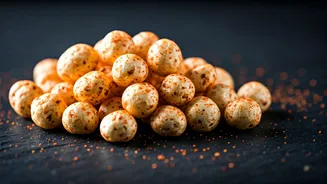
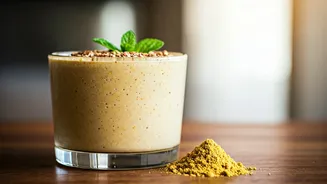
Take makhana, or puffed water lily seeds. A humble, ancient snack popular in India, it was virtually unknown in the U.S. a decade ago. Today, brands are positioning it as a guilt-free, gluten-free, plant-based alternative to popcorn. But the marketing genius lies in the storytelling. They don’t just sell it as a 'puffed snack.' They lean into its history, calling it an 'ancient superfood' and explaining its Ayurvedic roots and the sustainable way it's harvested in the ponds of Bihar, India. By framing it this way, brands like AshaPops or Bohana create a narrative of wellness, history, and conscious consumerism. The story elevates the snack from a crunchy bite to a mindful choice, appealing directly to health-conscious millennials and Gen Z who value transparency and authenticity in their food choices.
Spotlight: The Savory Twist
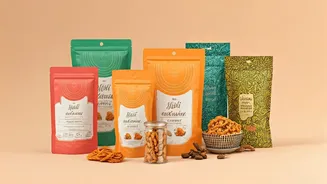
The same glow-up is happening to savory snacks. Murukku (also known as chakli), a crunchy, spiral-shaped snack made from rice and lentil flour, is a classic. For years, it was a homemade treat or a specialty store find. New brands are now making it accessible, but with a twist. They’re keeping the traditional texture and base but introducing familiar American flavor profiles like 'Everything Bagel' or 'Spicy Cheddar' alongside classic cumin and chili. This fusion isn't about diluting the original; it's about building a bridge. The updated flavors make the snack less intimidating to newcomers, while the packaging often tells the story of the founder’s family, connecting the modern twist back to its traditional roots. It’s a clever way to honor the past while speaking the language of the present-day American palate.
Packaging as a Portal
Perhaps the most visible part of this storytelling glow-up is the packaging itself. Gone are the days of sterile plastic bags with basic labels. Today's brands use bold colors, elegant typography, and beautiful illustrations that celebrate South Asian art and culture. You’ll see motifs inspired by intricate textile patterns, illustrations of family members, or maps highlighting a specific region of India. The bag or box is no longer just a container; it's the first chapter of the story. It communicates quality, pride, and cultural confidence. It’s designed to be 'front-of-pantry' worthy, a conversation starter that makes consumers feel they’ve discovered something special. This visual storytelling is crucial in a crowded marketplace, turning a simple purchase into an act of cultural exploration.