



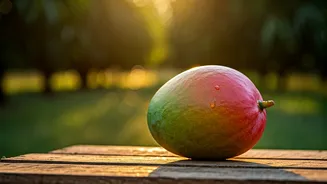
The Kingdom of the 'King of Fruits'
In the United States, we might associate regions with products—Napa for wine, Idaho for potatoes. In India, a similar dynamic is playing out with mangoes, a fruit so revered it’s known as the 'King of Fruits.' While mangoes grow across the country, the city
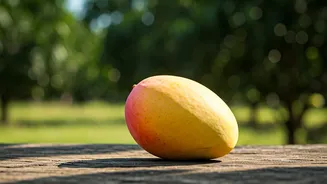
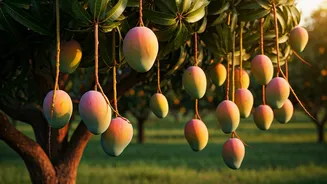
of Lucknow, capital of the northern state of Uttar Pradesh, has a special claim. Just outside the city lies the Malihabad-Kakori belt, a lush 75,000-acre region that has been the heartland of mango cultivation for centuries. This isn’t just about quantity; it’s about quality and heritage. The region is home to the legendary Dasheri mango, a fiberless, sweet, and intensely aromatic variety that traces its lineage back to a single 200-year-old tree that still stands in the area. For generations, the orchards of Malihabad have been a source of pride and livelihood, but in the modern global economy, that heritage wasn't enough to guarantee prosperity. Something had to change.
More Than Just a Slogan
Lucknow’s 'bid' for Mango Capital status isn’t a formal application to some international body. It’s a concerted, multi-pronged effort by government agencies, farmer cooperatives, and exporters to transform a regional delicacy into a global brand. A key turning point was securing the Geographical Indication (GI) tag for the 'Malihabadi Dasheri' mango. Much like the 'Champagne' designation for sparkling wine from that specific region of France, the GI tag certifies the mango’s origin and quality, protecting it from imitations and adding significant market value. Beyond the legal protection, the state government has been actively promoting the region as a hub for 'mango tourism.' They’ve developed a 'mango trail' for visitors to explore the historic orchards, meet the farmers, and of course, sample the goods. The annual Mango Festival in Lucknow has been scaled up from a local affair to a major event, drawing buyers, foodies, and tourists from across India and beyond, complete with mango-eating competitions and displays of hundreds of rare mango varieties.
Reaping the Sweet Rewards
So, is it 'working wonders'? The evidence points to yes. The GI tag has allowed farmers and exporters to command higher prices, particularly in international markets. Instead of selling a generic 'Indian mango,' they are now marketing a premium, protected product. Government bodies have streamlined the export process, setting up packing houses with the technology to treat, sort, and package the fruit to meet stringent international standards for markets in the Middle East, Europe, and even the U.S. This branding has created a virtuous cycle. Higher prices and a stable market incentivize farmers to maintain traditional, sustainable growing methods rather than switch to more generic, high-yield crops. It also provides a crucial economic boost to the thousands of small-scale growers who form the backbone of the region's economy. They are no longer just farmers; they are custodians of a celebrated global brand.
A Blueprint for Agricultural Branding
What’s happening in Lucknow is more than just a story about a delicious fruit. It's a masterclass in how to leverage cultural heritage for economic development. In a world of increasingly homogenized supply chains, creating a strong sense of place and story around a product is a powerful differentiator. The strategy protects biodiversity by making it profitable to cultivate heritage varieties, provides a sustainable livelihood for rural communities, and builds a unique identity that can’t be easily replicated. By focusing on the unique story of the Dasheri mango and the Malihabad belt, Lucknow isn't just selling a fruit; it's selling history, authenticity, and a taste of place. It’s a model that other regions—in India and around the world—are watching closely as they seek to turn their own local treasures into global success stories.