




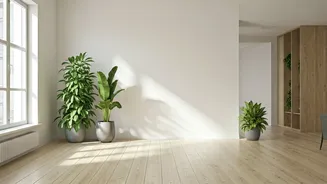


More Than Just a View
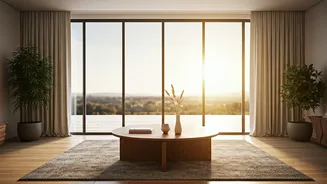
For decades, the ideal American home often prioritized privacy and insulation, sometimes at the expense of natural light. But a major shift is underway in architecture and interior design. Floor-to-ceiling windows, panoramic glass doors, and strategically
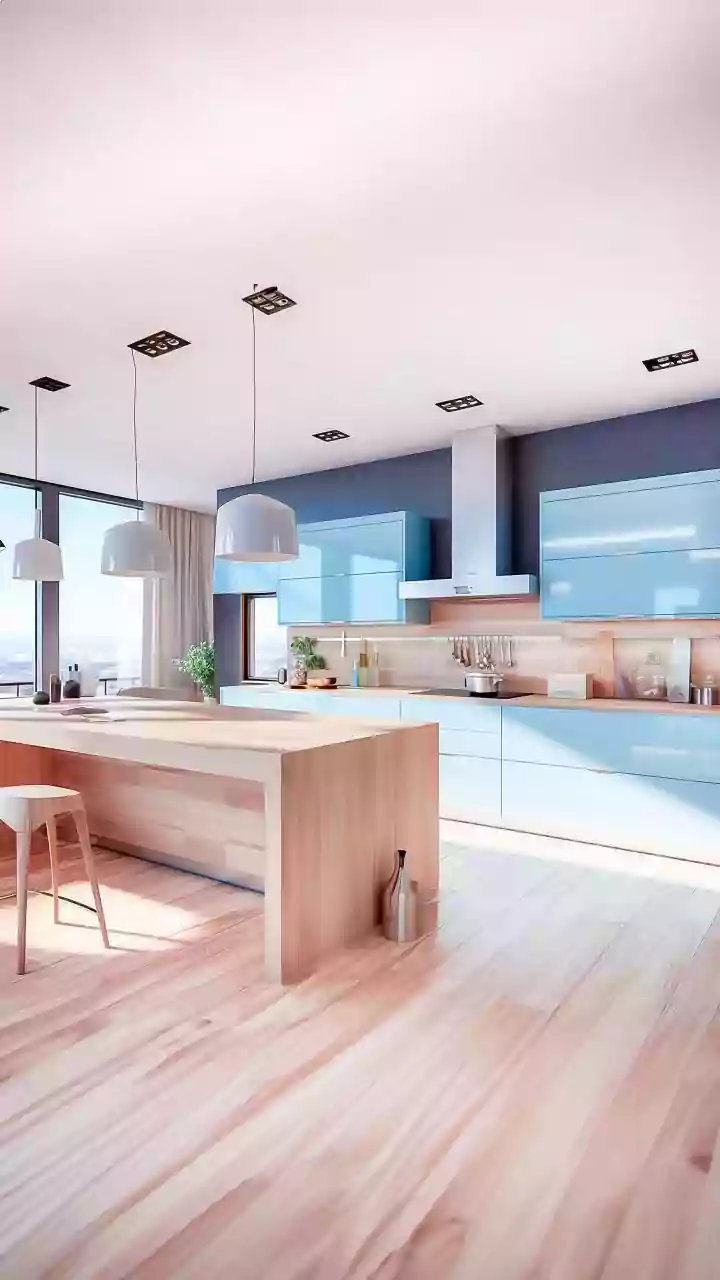
placed skylights are no longer just features of luxury properties; they’re becoming a mainstream aspiration. This isn't merely a fleeting aesthetic trend. It’s a response to a growing body of research confirming what we intuitively feel: abundant natural light and a connection to the outdoors are vital for our physical and mental health. The modern home is being reimagined not just as a shelter, but as an environment that can actively nurture us. By dissolving the barriers between inside and out, large windows are transforming living spaces into sources of energy, calm, and vitality.
Syncing with the Sun
One of the most significant health benefits of large windows is their ability to regulate our circadian rhythms. These internal 24-hour clocks govern our sleep-wake cycles, hormone release, and energy levels. Exposure to natural light, particularly in the morning, signals to our brains that it’s time to be alert and active. This helps suppress the production of melatonin (the sleep hormone) and boosts cortisol and serotonin, which improve mood and focus. Conversely, the gentle dimming of light in the evening helps prepare the body for rest. Homes with small, few, or poorly placed windows can disrupt this natural cycle, leaving inhabitants feeling groggy, out of sync, or even contributing to sleep disorders. By bathing our homes in daylight, large windows help anchor our bodies to the natural rhythm of the day, leading to better sleep quality, higher daytime energy levels, and a more stable mood. It’s the simplest form of wellness-based design: letting the sun do its work.
The Power of a Nature Connection
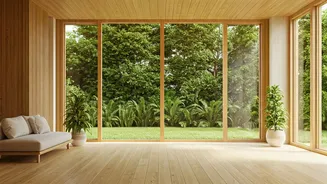
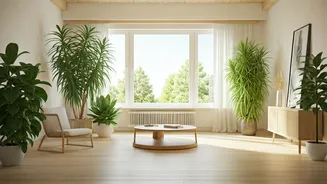
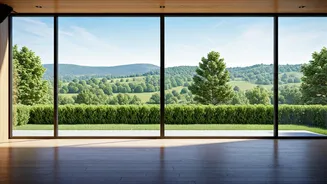
The concept of 'biophilia,' popularized by biologist E.O. Wilson, suggests that humans have an innate tendency to seek connections with nature. When we are deprived of this connection, our well-being can suffer. Large windows serve as a powerful tool for biophilic design, creating a constant visual link to the world outside. Whether the view is of a lush garden, a distant mountain range, a simple tree, or even just the open sky, this connection has been shown to have profound psychological benefits. Studies indicate that views of nature can lower blood pressure, reduce stress-related hormones like cortisol, and decrease feelings of anxiety and anger. It provides a 'micro-break' for our minds, allowing for mental restoration and reducing fatigue. In an increasingly digital and indoor world, having a window that frames a living, changing landscape provides a grounding and calming influence that sterile walls simply cannot replicate.
A Feeling of Space and Calm
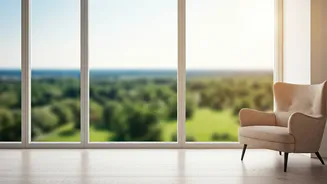
Beyond the physiological effects of light and nature, large windows have a direct impact on our perception of space. A room with expansive glass feels larger, more open, and less confining than the exact same room with small, punched-out windows. This architectural psychology is crucial for our mental comfort. Small, dark spaces can subtly trigger feelings of claustrophobia and restriction, while bright, open areas promote a sense of freedom and possibility. The enhanced sense of spaciousness can make a home feel more relaxing and less cluttered, both physically and mentally. This is particularly important in smaller homes or apartments, where large windows can be the single most effective feature for making a compact area feel generous and livable. By erasing corners and extending the sightline to the horizon, glass walls don't just add light; they add a feeling of boundless square footage.