


1. Wallets Are Feeling the Pinch
Let’s start with the obvious: everything is more expensive. When grocery and gas prices are up, a $75 serum is a much harder sell. Consumers are becoming savvier, scrutinizing ingredient lists and seeking out products that deliver real value. This isn't
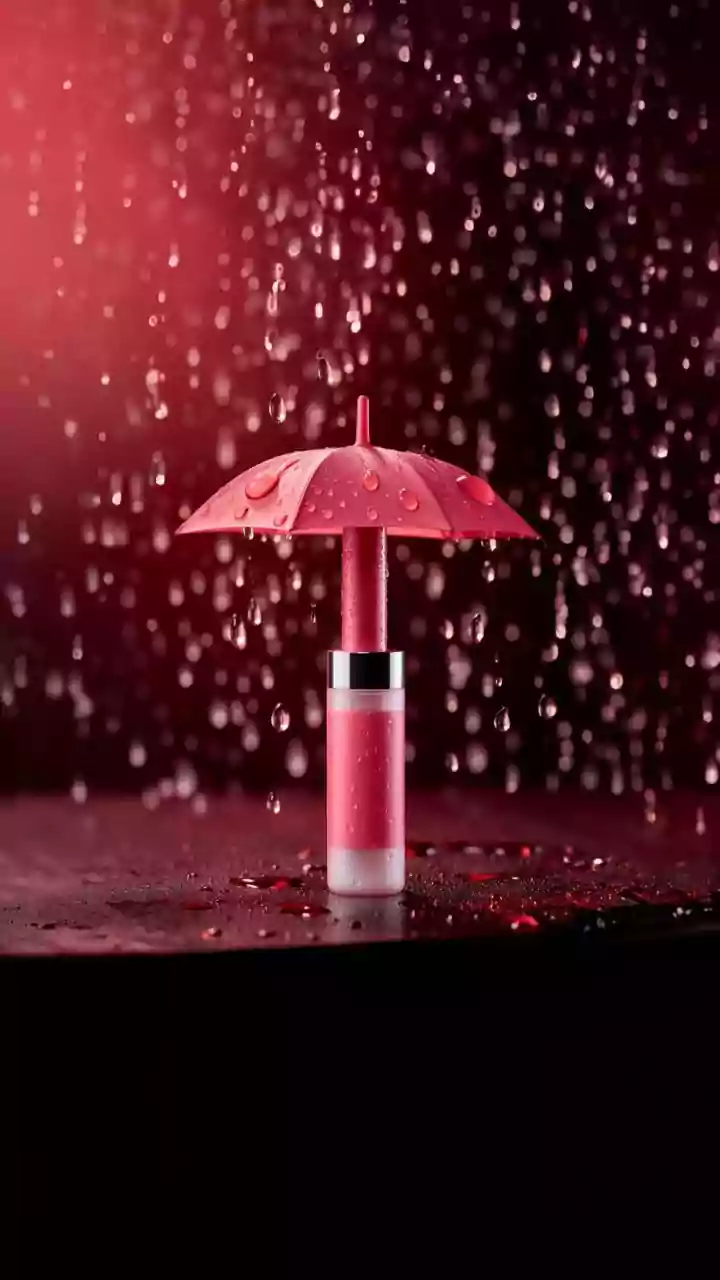
about being cheap; it's about being smart. Shoppers are prioritizing 'hero' products that do a lot with a little. Think multi-use balms that work for lips and cheeks, or a high-quality cleanser that eliminates the need for a separate makeup remover. The 'lipstick effect'—the theory that people buy small luxuries during economic downturns—is being replaced by a 'serum scrutiny' effect. If a product is going to earn a spot on the shelf, it has to prove its worth.
2. We Finally Learned to Protect Our Skin
Remember the mid-2010s, when layering ten different acids, toners, and essences felt like the peak of self-care? Our skin remembers, and it wasn't always happy. The rise of 'skinimalism' is a direct response to the over-exfoliated, irritated skin that resulted from that trend. Thanks to dermatologists on TikTok and a growing public understanding of the skin barrier (the outermost layer that keeps moisture in and irritants out), people now realize that piling on products can do more harm than good. The new goal isn't to erase every pore with a dozen steps, but to support skin health with a simple, consistent routine: a gentle cleanser, a targeted serum, a solid moisturizer, and, of course, sunscreen. It's a shift from attacking imperfections to nurturing the skin you have.
3. The Backlash Against Constant 'Hype'
The beauty industry’s trend cycle has become exhausting. A new 'miracle' ingredient or 'must-have' gadget seems to go viral every week, creating a frantic sense of consumer FOMO. People are tired of the pressure. The move toward minimalism is a form of quiet rebellion against the endless churn of product launches and influencer marketing. It’s a conscious decision to opt out of the hype and tune into what your own skin actually needs. Instead of chasing the next big thing, consumers are focusing on building a reliable 'uniform' for their face—a core collection of products they can trust, day in and day out. This provides a sense of calm and control in a market designed to feel overwhelming.
4. Sustainability Is No Longer an Afterthought
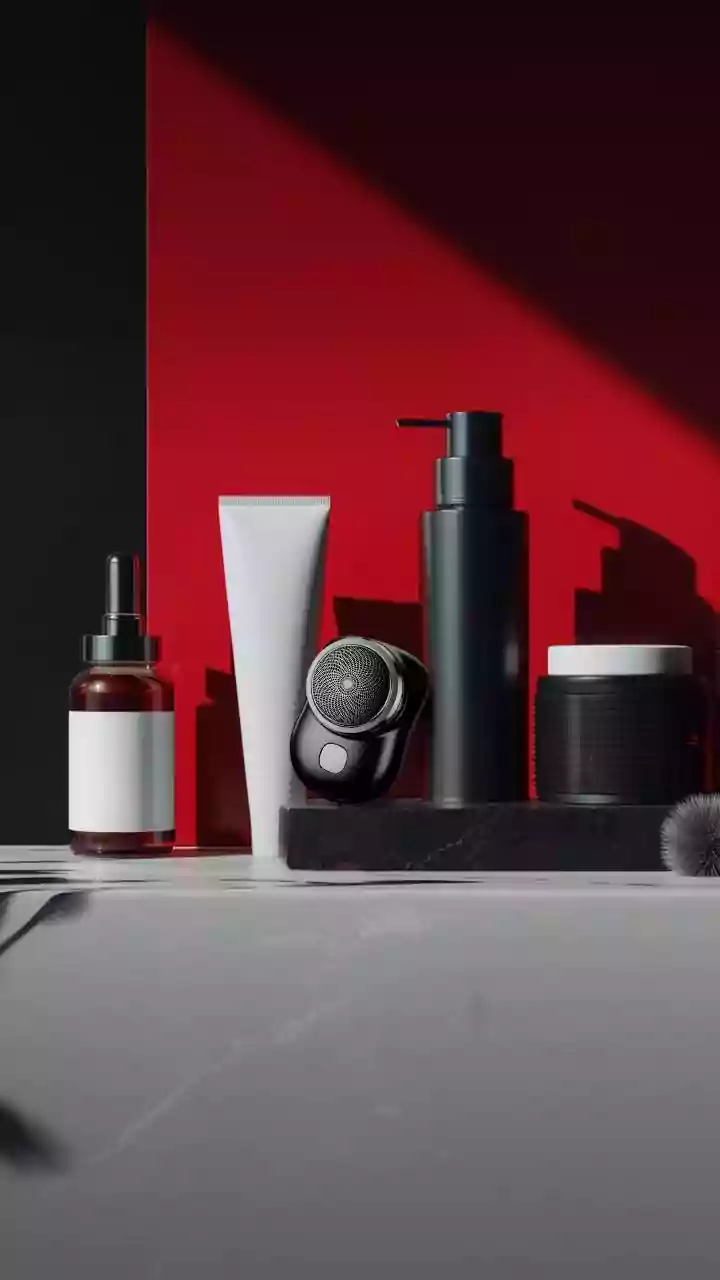
As more people become aware of their environmental impact, the sight of a trash can full of empty plastic bottles and single-use sheet mask packets is starting to feel irresponsible. A 12-step routine often means a dozen pieces of non-recyclable packaging. Beauty minimalism aligns perfectly with a more sustainable mindset. By buying fewer products, consumers automatically reduce their packaging waste. This has also put pressure on brands to innovate with refillable containers, water-free formulas, and multi-purpose products that cut down on clutter and carbon footprints. Going minimal isn't just about a clean face; it's about a cleaner conscience, too.
5. The 'Clean Girl' Look Replaced the 'Instagram Face'
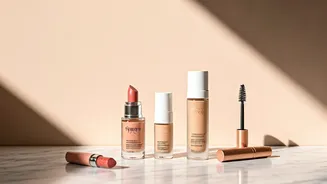
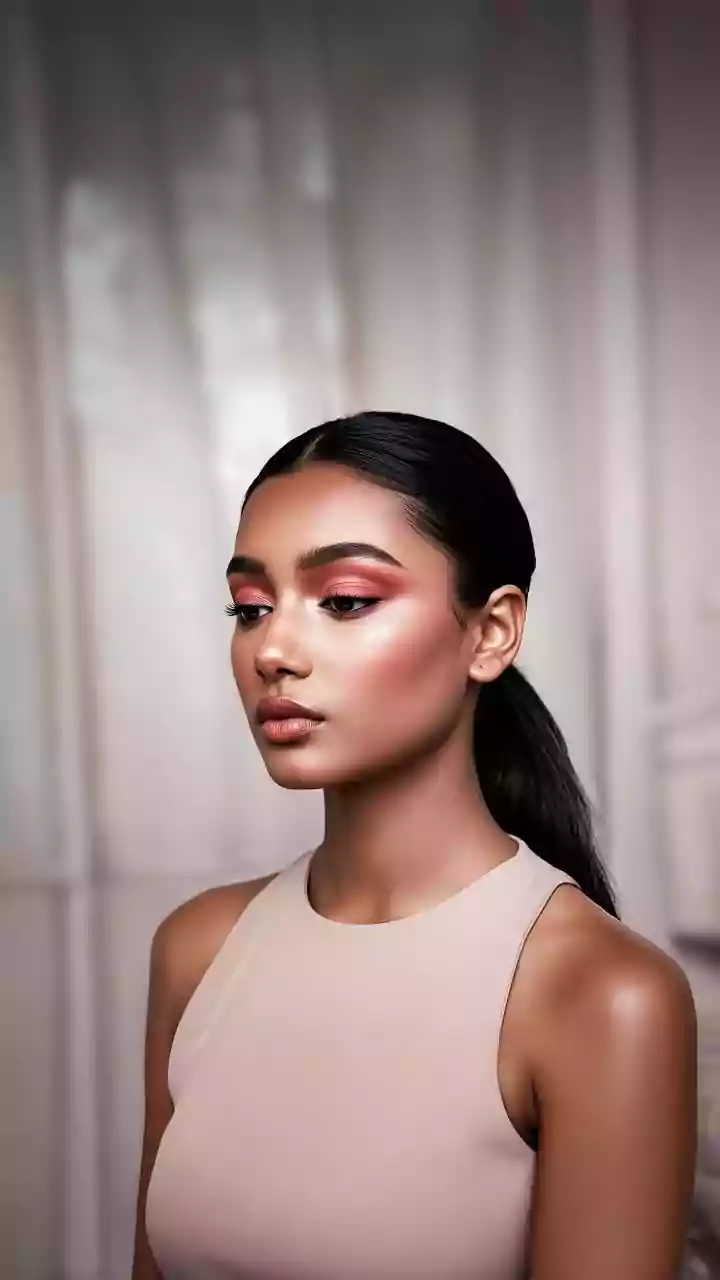
Aesthetics always play a role, and the dominant look has fundamentally changed. The heavy, sculpted 'Instagram Face'—with its sharp contour, baked concealer, and bold liquid lipstick—has given way to the 'clean girl' aesthetic. This look prioritizes dewy, healthy-looking skin, brushed-up brows, a touch of blush, and glossy lips. It’s a makeup style that’s meant to enhance, not conceal. This aesthetic perfectly complements a minimalist routine because it doesn't require a huge arsenal of products. It’s about celebrating real skin texture and features. In a world saturated with filters and digital perfection, this embrace of a more natural, authentic appearance feels like a breath of fresh air.