

1. Herbs: The Gateway Plant
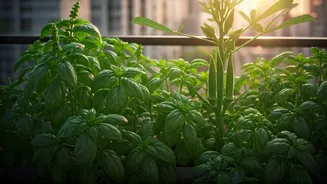
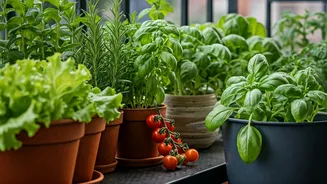
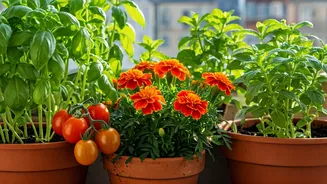
If you’re going to start anywhere, start with herbs. They offer the highest return on investment for both flavor and cost savings. A single basil, mint, or rosemary plant in a pot can provide fresh cuttings for months, costing less than a few of those
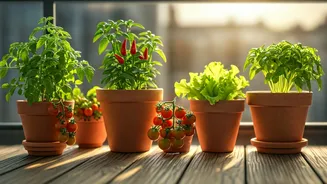
plastic clamshells from the grocery store. Most are remarkably forgiving. Mint is famously vigorous (keep it in its own pot unless you want a mint takeover), while rosemary and thyme thrive on sunny neglect. Basil loves sun and consistent water, rewarding you with aromatic leaves perfect for pesto, pasta, and caprese salads. For a beginner, a simple trio of basil, parsley, and chives covers a huge range of culinary bases.
2. Leafy Greens: Your Personal Salad Bar
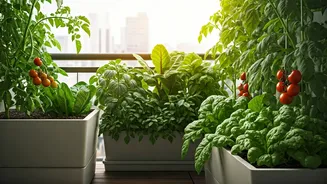
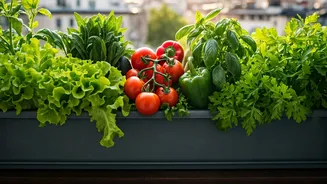
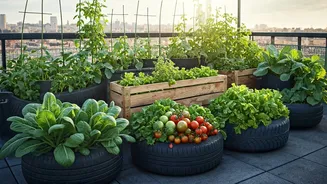
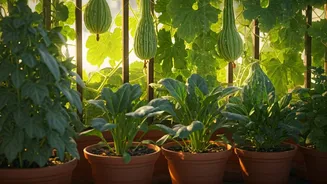
Imagine stepping outside to snip fresh lettuce for a sandwich. With 'cut-and-come-again' varieties of leafy greens, this is entirely possible. Plants like loose-leaf lettuce, spinach, and arugula can be harvested leaf by leaf, allowing the plant to continue producing for weeks. They grow quickly and prefer cooler weather, making them perfect for spring and fall planting. A rectangular window box is an ideal container. By planting a new small batch every two weeks—a practice called succession planting—you can create a nearly endless supply of fresh, tender greens for your daily salads and sandwiches. There’s nothing quite like the crisp, vibrant taste of lettuce that was growing just moments before you eat it.
3. Cherry Tomatoes: The Taste of Summer
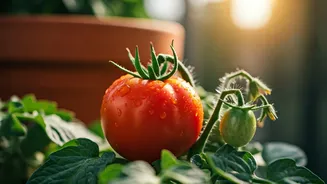
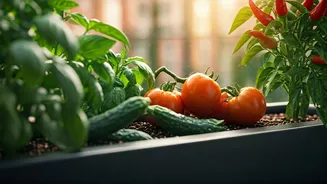
No homegrown vegetable feels more like a trophy than a sun-ripened tomato. While large beefsteak varieties require significant space, determinate (or 'bush') cherry tomato varieties are perfectly suited for balcony life. Plants like 'Tiny Tim' or 'Patio Princess' are bred to stay compact while producing an abundance of sweet, pop-in-your-mouth fruit. They need at least six to eight hours of direct sunlight and a large pot (at least 5 gallons) to support their root system. A simple cage or stake will keep them upright. The flavor of a tomato picked warm from the vine is a world away from its supermarket counterpart, making the effort more than worthwhile.
4. Hot and Sweet Peppers: A Pop of Color
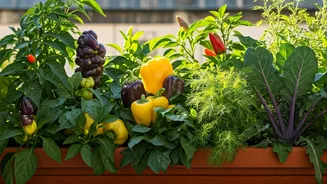
Peppers are both productive and beautiful, with glossy leaves and fruits that come in a rainbow of colors. Like tomatoes, they are sun-worshippers that thrive in the heat. Compact hot peppers like jalapeños, serranos, or Thai chilies are incredibly prolific in containers. A single plant can produce dozens of peppers, perfect for adding a kick to your cooking all season long. If you prefer sweet over heat, look for miniature bell pepper varieties that mature faster and take up less space. They add vibrant color and crunch to salads, stir-fries, and snacks.
5. Scallions: The Plant That Regrows Itself
Scallions, or green onions, are the ultimate beginner-friendly, low-effort crop. You don't even need to buy seeds to start. Simply take the white root ends from a bunch you bought at the store, place them in a jar of water until new roots sprout, and then plant them in a pot of soil. To harvest, just snip the green tops with scissors, leaving about an inch of the base behind. They will regrow multiple times, providing a constant supply of mild onion flavor for garnishes, eggs, and soups. It’s a simple, nearly free way to have one of the most versatile kitchen staples on hand.
6. Radishes: The 30-Day Wonder
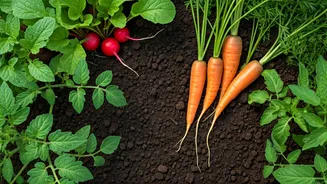
For the impatient gardener, radishes are a dream come true. Many varieties go from seed to harvest in under a month, providing near-instant gratification. Their speed makes them an excellent choice for filling in gaps between slower-growing plants or for a quick crop before the summer heat sets in. They don’t need a deep pot—a container that’s about six inches deep is sufficient. Their peppery crunch is a fantastic addition to tacos and salads, and even the leafy green tops are edible, packing a spicy flavor similar to arugula when sautéed.