




The Not-So-Secret Ingredient: Banana Peels
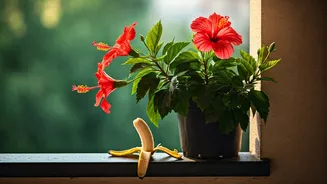
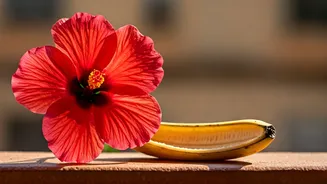
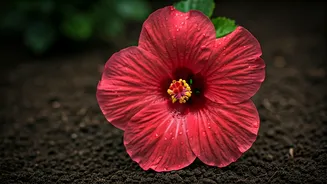
The one-ingredient wonder that has gardeners buzzing is something you probably toss in the trash or compost bin every week: the banana peel. While it sounds like folk wisdom, this kitchen scrap is a powerhouse of nutrients that specifically benefit flowering
plants like hibiscus. For years, savvy gardeners have been using this simple trick to encourage bigger, more frequent, and more intensely colored blooms. It’s an organic, free, and incredibly effective way to give your hibiscus the specific boost it needs to put on a spectacular show.
Why Banana Peels Work Wonders for Blooms
To understand why banana peels are so effective, you need to know a little about fertilizer basics. Most commercial fertilizers are labeled with an N-P-K ratio, which stands for Nitrogen (N), Phosphorus (P), and Potassium (K). Nitrogen promotes lush, green leafy growth. Phosphorus supports root development and overall plant vigor. Potassium, however, is the magic nutrient for flowering and fruiting. It helps regulate the plant’s water and nutrient transport, strengthens it against disease, and, most importantly, provides the energy required to produce flowers. Hibiscus are known as “heavy feeders,” meaning they require a lot of nutrients to thrive, especially potassium. Banana peels are exceptionally rich in potassium. As they decompose in the soil, they release this vital nutrient in a form that the hibiscus plant can easily absorb. By providing a direct potassium source, you’re essentially telling your plant, “Stop focusing on growing leaves and start making flowers.”
How to Make Your Hibiscus Fertilizer
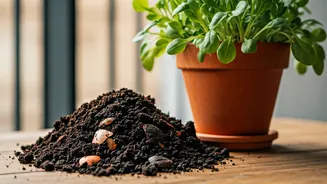
There are two popular and incredibly simple methods for turning your banana peels into a potent hibiscus fertilizer. You can choose whichever fits your routine best. **Method 1: The Banana Peel Tea** This method creates a liquid fertilizer you can use during your regular watering schedule. 1. **Collect:** Take one or two fresh banana peels and place them in a large jar or pitcher. 2. **Soak:** Fill the jar with water, cover it, and let it sit for two to three days. The water will turn a pale, murky color as the nutrients leach out from the peels. 3. **Strain & Dilute:** Strain the liquid into a watering can. You can dilute it with an equal part of fresh water, though many gardeners use it at full strength without issue. 4. **Feed:** Water your hibiscus with the “banana tea” around the base of the plant. Compost the leftover peels. **Method 2: The Chop and Drop** This is a slower-release method that feeds the soil directly. 1. **Chop:** Cut fresh or dried banana peels into small, one-inch pieces. 2. **Bury:** Dig a shallow trench a few inches away from the base of your hibiscus plant, being careful not to disturb the main root ball. 3. **Cover:** Place the chopped peels in the trench and cover them back up with soil. The peels will slowly decompose, releasing potassium and other micronutrients directly into the root zone.
Application Tips and Best Practices
To get the most out of your homemade fertilizer, timing and balance are key. Use your banana peel tea about once every two weeks during the growing season (spring and summer) when the hibiscus is actively trying to produce flowers. If you’re using the chop-and-drop method, you can add new peels to the soil once a month. It’s important to remember that banana peels are not a complete fertilizer. They are low in nitrogen and other essential minerals. Think of them as a supplemental bloom booster, not a replacement for a balanced, all-purpose fertilizer. For potted hibiscus, continue to use a balanced liquid fertilizer at half-strength every few weeks, in addition to the banana peel treatment, to ensure the plant gets everything it needs for healthy leaves and roots.