





First, Where Are We?
Let’s set the scene. Imagine the Himalayan foothills in India. For over a century, the go-to mountain escape has been Shimla, a city that famously served as the summer capital of British India. Its cool air, gothic architecture, and scenic vistas made
it a refuge from the sweltering plains. Summer Hill is one of Shimla's most important satellite towns, a quieter, university-focused area that retains much of the colonial-era atmosphere. But Shimla itself is bursting at the seams. Decades of unchecked development, traffic congestion, and water shortages have started to chip away at its idyllic reputation. The very things that drew people here—peace, nature, and historic charm—are under threat.
Enter the 'Landour Twist'
So, what’s this 'twist'? To understand it, we have to look about 150 miles away to Landour, a tiny cantonment town nestled just above the more bustling hill station of Mussoorie. If Shimla is the busy capital, Landour is the exclusive, whisper-quiet retreat. It's famous for what it *doesn't* have: no large hotels, no shopping malls, and no new construction that doesn't adhere to strict, colonial-era aesthetics. Landour is a place frozen in a charming, literary time—it’s home to acclaimed author Ruskin Bond and has cultivated an identity around serene, upscale, and fiercely protected heritage. It has become a blueprint for sustainable, high-value tourism by prioritizing preservation over mass-market expansion. This philosophy of controlled, aesthetically-driven development is the 'Landour model.'
Applying the Model to Summer Hill
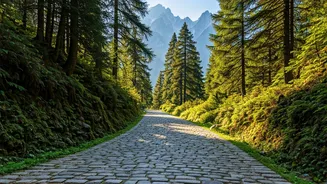
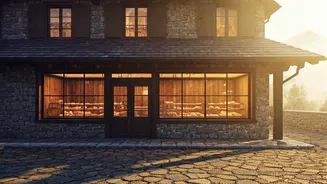
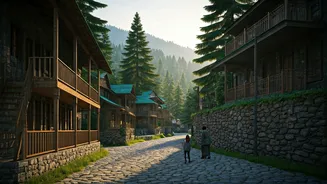
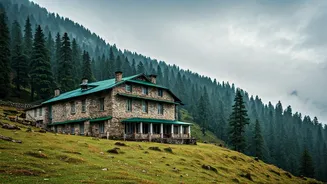
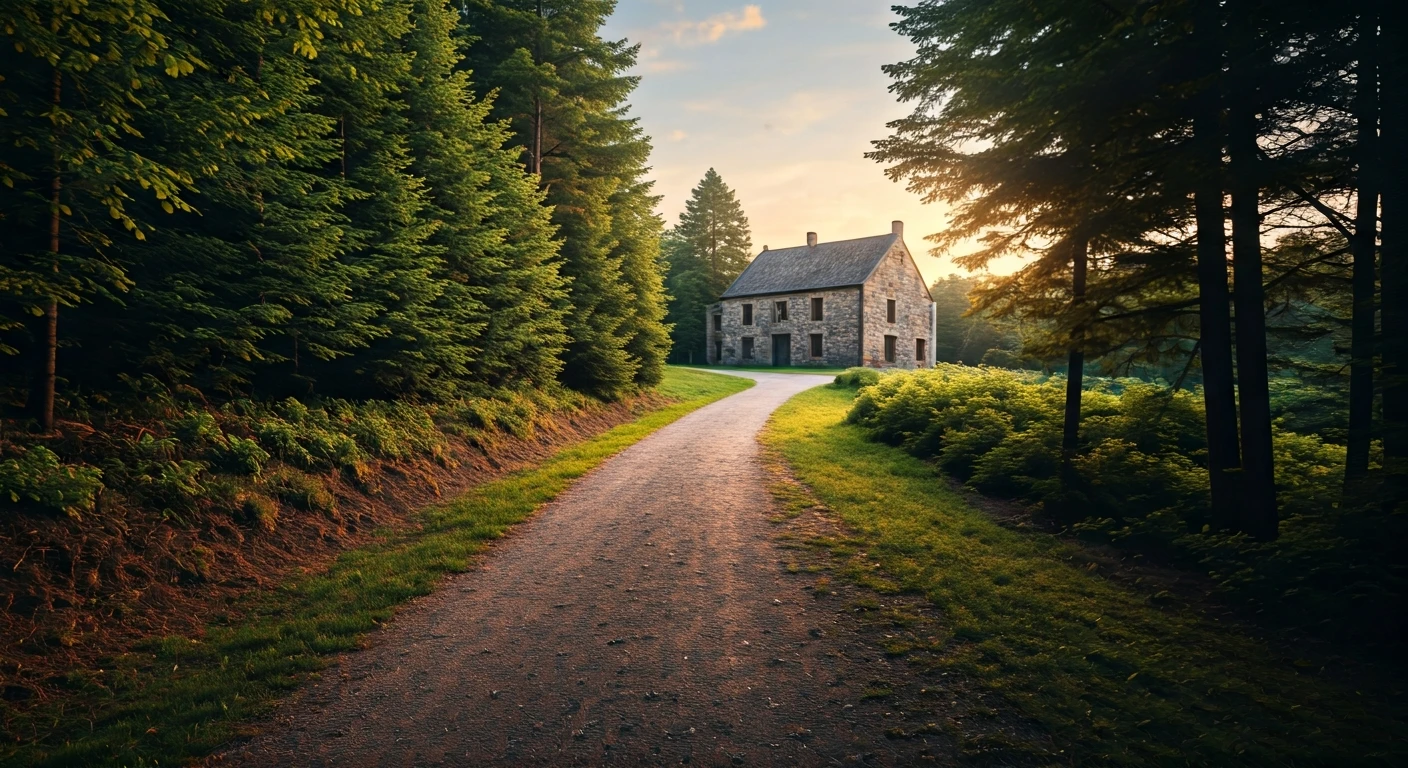
As Indian authorities and developers look to ease the pressure on Shimla’s core, they are turning their attention to developing satellite areas like Summer Hill. This is where the twist comes in. Instead of repeating the mistakes of the past—allowing a free-for-all of concrete hotels and haphazard construction—the emerging plan is to adopt the Landour playbook. The vision is to develop Summer Hill and its surroundings not as a sprawling suburb, but as a cluster of curated, boutique destinations. The focus is on heritage-style architecture, eco-friendly practices, and experiences that cater to travelers seeking tranquility rather than crowds. Think quaint cottages instead of high-rises, walking trails instead of clogged roads, and a strong emphasis on maintaining the natural and architectural character of the area.
Why It's More Than Just Buildings
This isn't just an architectural choice; it's a strategic economic and cultural one. The Landour model proved that by preserving exclusivity and charm, a destination can attract a more discerning—and often higher-paying—tourist. It creates a brand built on authenticity, not volume. By giving the new development plans in the Shimla area a 'Landour twist,' planners hope to create a sustainable future for the region. They want to build a 'New Shimla' that feels like the old Shimla: a place of peace, beauty, and refined leisure. It’s a deliberate move away from the model of tourism that eventually consumes its host, and toward one that sustains it.