






Beyond the Famous Forts
Jaipur, the celebrated “Pink City” of Rajasthan, is a cornerstone of American travelers’ Indian itineraries. Its magnificent Amber Fort, bustling bazaars, and iconic Hawa Mahal are rightly famous. But for those willing to look beyond the guidebooks, a deeper,
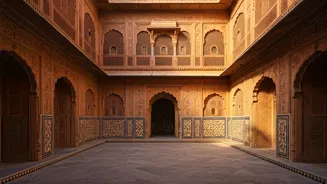
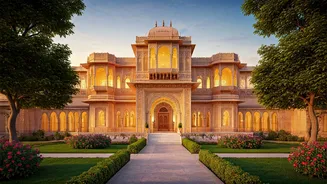
more intimate layer of the city’s artistic soul awaits. This experience isn't found in a crowded palace complex but within the quiet, ornate walls of private residences known as havelis. These traditional mansions, once the homes of wealthy merchants and nobles, are now being reborn as exclusive holiday homes, offering a portal into a bygone era of unparalleled craftsmanship.
The Living Walls of Shekhawati
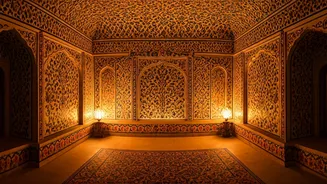
The frescoes you find in these homes are not mere decorations; they are vibrant historical documents. Many are painted in the Shekhawati style, originating from a nearby region often called the “open-air art gallery of Rajasthan.” For centuries, merchants used the walls of their havelis as canvases to display their wealth, piety, and worldliness. The art tells a thousand tales. One wall might depict epic scenes from the Ramayana, with gods and demons locked in celestial battle. Another might show surprisingly whimsical scenes of daily life: women at a well, men with magnificent mustaches, or a procession of elephants. A closer look often reveals the fascinating influence of the British Raj, with frescoes of steam trains, gramophones, and European figures in top hats appearing alongside traditional motifs—a vivid chronicle of a world in transition.
The Haveli Reimagined
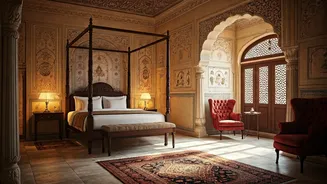
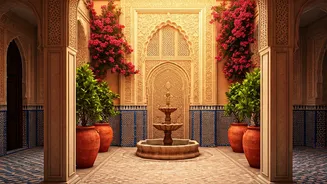
For generations, many of these architectural gems fell into disrepair. But a recent heritage conservation movement, driven by proud local families and discerning travelers, has sparked a renaissance. Dozens of havelis in and around Jaipur have been painstakingly restored. This isn’t a process of modernization that erases the past, but one of careful preservation. Original lime-plaster walls are repaired by hand, faded frescoes are meticulously cleaned by artisans, and antique furniture is given a new lease on life. The result is a travel experience that blends authentic history with modern comfort. You get the electricity and Wi-Fi, but you also get to sip your morning tea in a courtyard where peacocks once roamed, under the gaze of painted figures who have watched over the home for two hundred years.
What to Expect from Your Stay
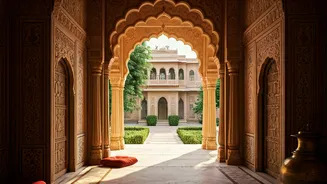
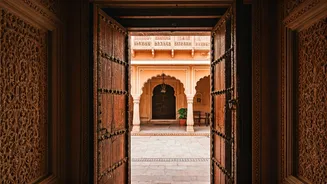
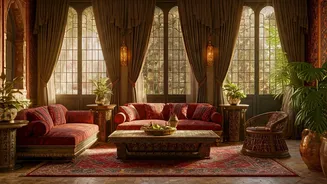
Staying in a frescoed haveli is fundamentally different from a hotel stay. It's more personal, more atmospheric, and deeply connected to its location. Instead of a generic lobby, you’re greeted in a sun-dappled courtyard. Instead of a numbered door, you might enter a suite named after a historical figure or a particular color of fresco. The hospitality is often managed by the families who have owned the property for generations, providing an unmatched level of personal insight and warmth. They might share stories about the frescoes, point out hidden details, or prepare family recipes for dinner. This isn't just accommodation; it's an invitation to become part of the home's ongoing story, even if just for a few nights. It transforms a vacation from a series of sightseeing stops into a singular, cohesive narrative.
How to Find Your Frescoed Haven
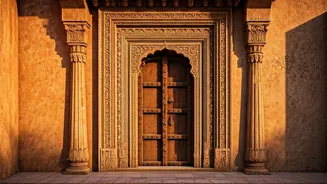
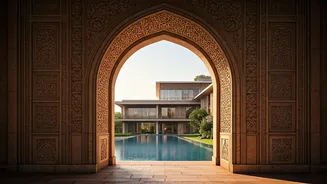
Finding these properties is easier than you might think, as long as you know the right terms. When searching on travel or rental platforms, go beyond “hotel” or “apartment.” Use keywords like “haveli stay Jaipur,” “heritage home Rajasthan,” or “boutique haveli.” Look for listings that emphasize history, restoration, and original art. Pay close attention to the photos—scan for images of painted walls, intricate archways, and antique decor. Reading reviews is also key; guests will often mention the quality of the frescoes and the unique historical ambiance. While some of the most famous havelis operate as high-end boutique hotels, many more are available as private rentals, offering an exclusive and tranquil retreat from the city's exhilarating chaos.