


More Than Just a Sampler Platter
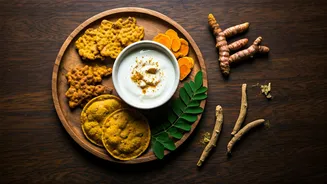
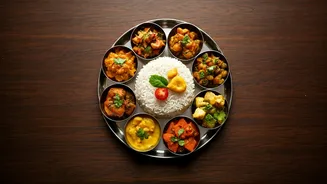
First, let’s get acquainted with the thali. Far from being a random assortment of curries, a traditional thali is a masterclass in balance. The Hindi word “thali” simply means “plate,” but the concept it represents is a complete, holistic meal served
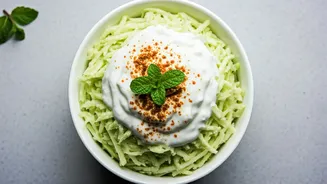
on a single platter, usually metal. It’s designed to hit all six tastes recognized in Ayurveda: sweet, salty, sour, pungent, bitter, and astringent. A typical thali might feature a central mound of rice or a stack of flatbreads (like roti or chapati) surrounded by a vibrant collection of small bowls, known as katoris. These can hold anything from dal (lentils) and vegetable curries to raita (yogurt), pickles, and a small dessert. The goal isn’t just variety for its own sake; it’s about providing a nutritionally complete and sensorially satisfying experience in one sitting.
What Is Food Synergy, Anyway?
Now for the modern buzzword: food synergy. The concept is refreshingly simple: certain foods, when eaten together, offer more nutritional benefits than if you ate them separately. Think of it as teamwork on your plate. The nutrients in one food can help your body better absorb or utilize the nutrients in another. A classic example most Americans know is pairing iron-rich foods like spinach with a source of Vitamin C, like a squeeze of lemon juice or bell peppers. The Vitamin C dramatically increases your body’s ability to absorb the plant-based iron. It’s the nutritional equivalent of 1+1=3. This isn’t a fleeting wellness fad; it’s a foundational principle of nutrition that explains why traditional food pairings across cultures have stood the test of time.
The Thali as a Synergistic Masterpiece
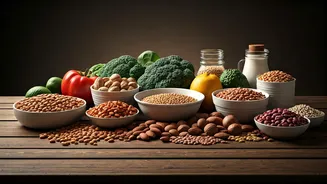
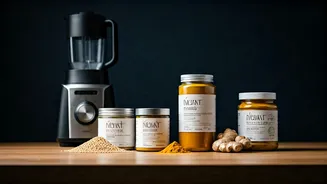
This is where the thali transforms from a delicious meal into a nutritional trend report. It’s a living, edible demonstration of food synergy that has been perfected over centuries. Many of its standard components are powerful synergistic pairs. Take turmeric, the golden spice central to many Indian curries. Its active compound, curcumin, is a potent anti-inflammatory, but it’s notoriously difficult for the body to absorb on its own. Indian cooking intuitively solved this by almost always pairing it with black pepper. The piperine in black pepper can boost curcumin absorption by up to 2,000%. That dal (lentil soup) on your thali? It’s a great source of plant-based iron, which is often served alongside a tangy tamarind chutney or a simple wedge of lime—both rich in Vitamin C, unlocking that iron. The cooling yogurt-based raita isn’t just there to soothe the palate from spicy flavors; its probiotics support a healthy gut microbiome, helping you digest the entire complex meal more efficiently. Each element is playing a role, creating a system that works in concert.
From Ancient Wisdom to Wellness Trend
So why is the thali getting so much attention now? Because it perfectly aligns with the modern pursuit of optimized health. In an era where we’re obsessed with gut health, anti-inflammatory diets, and personalized nutrition, the thali presents itself as a ready-made solution. It’s not a restrictive diet but an abundant one. It’s inherently balanced, emphasizing a variety of plant-based foods, legumes, and spices. For a generation tracking macros and researching supplements, the thali offers a more holistic, time-tested, and frankly, more delicious path to the same goal. It serves as a “trend report” from the past, reminding us that for centuries, the best way to eat well wasn’t about isolating nutrients, but about combining them with wisdom and flavor.