




What 'Zero-Waste' Really Means
First, let's clear up a misconception. For a restaurant, achieving literal 'zero' waste is nearly impossible. Instead, the movement is about radical waste reduction and designing waste out of the system from the very beginning. It’s a philosophy that
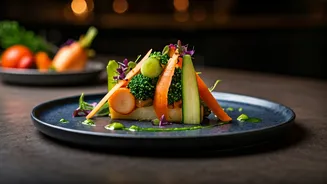
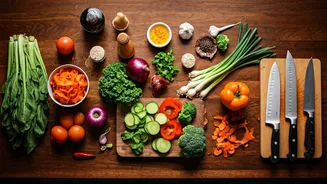
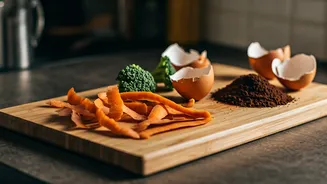
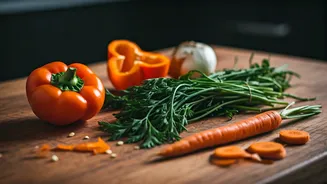
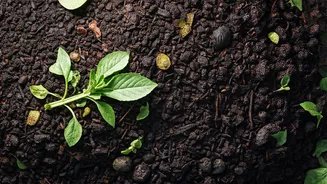
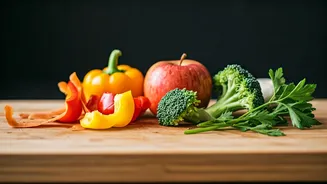
touches every aspect of the business, from sourcing to service. It means looking at a carrot and not just seeing the main event, but also the potential for its green tops to become pesto, its peels to be dehydrated into a savory powder, and its scraps to enrich a stock. This 'root-to-stem' or 'nose-to-tail' ethos is the culinary heart of the movement. Beyond the kitchen, it means rejecting single-use plastics, building relationships with farmers to take 'imperfect' produce, composting unavoidable scraps, and even considering the environmental impact of the restaurant's decor and furniture.
Driven by More Than Just Ideals
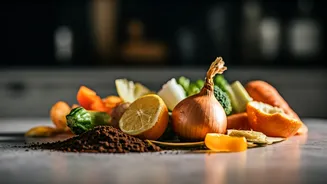
So, why is this trend catching on now in bigger, more commercial settings? It’s a perfect storm of diner demand and economic reality. Today’s customers, particularly younger generations, are increasingly making choices based on a company's environmental and ethical stance. A restaurant that visibly cares about its impact can build a powerful sense of loyalty. But the real game-changer is the financial argument. Food is a restaurant's single biggest cost. Every scrap of food that ends up in the trash is money thrown away. The U.S. restaurant industry generates an estimated 11.4 million tons of food waste annually, costing over $25 billion. By finding creative uses for every part of an ingredient, chefs aren't just being virtuous; they're boosting their profit margins. This economic incentive is turning a niche, values-driven concept into a mainstream business strategy.
From Scraps to Center Stage
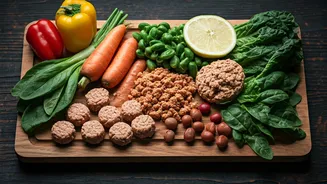
The most exciting part of this shift is how it’s sparking creativity on the plate. What was once considered 'waste' is now a source of complex new flavors and textures. In pioneering kitchens, you’ll find bartenders infusing spirits with pineapple husks that would have otherwise been tossed. You'll see delicate, savory crackers made from the pulp left over from juicing vegetables. Leftover bread, a huge source of waste, is transformed into bread pudding, croutons, or even fermented into a kvass-like beverage. Chefs are using fish bones and collars to create intensely flavorful broths and sauces. This isn't about serving leftovers; it’s a culinary challenge that forces chefs to be more resourceful and, in many cases, more inventive. It’s a return to the thrifty, whole-ingredient wisdom of our grandparents, but elevated with modern technique and flair.
The Hurdles of Going Wasteless
Of course, if it were easy, every restaurant would be doing it. Adopting a low-waste model presents significant challenges. It requires a highly skilled and committed staff willing to put in the extra labor to process scraps and manage complex inventory. It demands tight control over the supply chain, which is easier for a small restaurant with a daily-changing menu than for a large chain. There can also be upfront costs associated with ditching disposables, like investing in reusable containers for takeout or installing a high-efficiency composter. Furthermore, health codes, which are often written with disposability in mind for safety, can sometimes create bureaucratic hurdles for restaurants wanting to reuse containers or implement other circular practices. This operational complexity is why the shift is gradual, but the momentum is undeniable.