



1. Fortify Your Entryway
Your first line of defense is the door. Stop mud before it has a chance to spread through the house by creating a dedicated 'decontamination zone.' Place a highly absorbent, non-slip mat outside the door to catch the initial grit, and a second, machine-washable
one just inside. A 'mud rug' or water-trapping doormat can absorb many times its weight in water and dirt. Install a hook next to the door specifically for an old, designated 'paw towel.' Having it within arm’s reach the moment you walk in turns a reactive cleanup into a proactive routine.
2. Master the Art of the Paw Wipe
A quick wipe-down is non-negotiable. The key is to make it fast and effective. For some, a simple towel does the trick. For others, a more specialized tool is a game-changer. Keep a stash of heavy-duty pet wipes near the door for convenience. For seriously muddy paws, consider a portable paw washer—a small, silicone-bristled tumbler you fill with a little water. You dip each paw, twist, and the bristles gently scrub away the mud. It contains the mess and is far more effective than a simple towel-off.
3. Gear Up with the Right Apparel
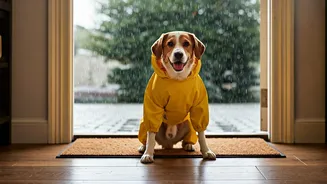
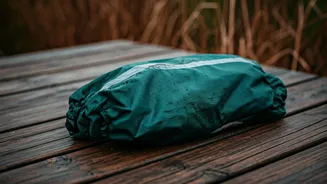
Why clean the mud off your dog when you can prevent it from getting on them in the first place? A good waterproof dog jacket or raincoat can dramatically reduce the amount of dampness and dirt clinging to your pet's body. This is especially helpful for dogs with long fur, as it keeps their torso and back dry and clean. For truly extreme conditions or pets with sensitive paws, waterproof dog booties can be a lifesaver. It may take some time for your pet to get used to them, but the clean floors (and protected paw pads) are often worth the training effort.
4. Designate an Official Drying Zone
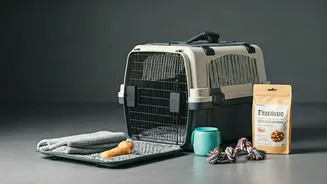
Even after a thorough wipe-down, a dog’s coat can remain damp for hours. This is where a designated drying zone becomes invaluable. It doesn’t need to be fancy—a laundry room, a section of the kitchen cornered off with a baby gate, or even their crate layered with old towels will work. The goal is to confine them to an easy-to-clean space until they are completely dry. This prevents them from shaking water all over your couch or rolling their damp bodies on your favorite area rug. Think of it as a pet-friendly penalty box they'll come to understand as part of the post-walk routine.
5. Choose Pet-Friendly Furnishings
Some battles are best won before they begin. When shopping for furniture or rugs, keep your four-legged friend in mind. Tightly woven fabrics, microfiber, and leather (or its faux equivalent) are generally easier to wipe clean than delicate materials like velvet or silk. Washable slipcovers for couches and chairs are a fantastic investment, allowing you to simply toss them in the laundry when they get grimy. The same goes for bedding and throw blankets—having multiple, easily washable options on hand means you’re never more than one laundry cycle away from a fresh, clean space.
6. Upgrade Your Cleaning Arsenal
When mud and moisture inevitably get past your defenses, having the right tools makes all the difference. An enzymatic cleaner is essential for tackling pet odors and stains at a molecular level, preventing lingering smells. For floors, a wet-dry vacuum or a steam mop can be a worthy investment, efficiently tackling both dirt and bacteria without harsh chemicals. And don't underestimate the power of a good doormat rake or a stiff-bristled brush to lift dried mud out of carpet fibers before you vacuum.
7. Embrace Strategic Grooming
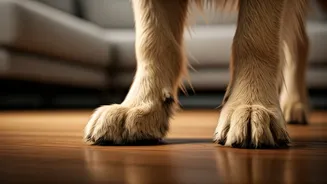
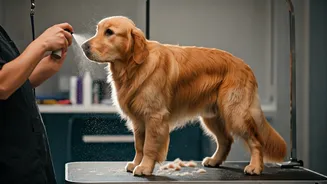
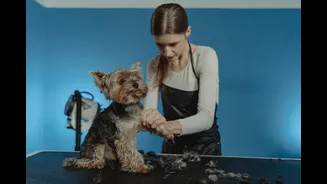
A little bit of maintenance grooming can significantly cut down on the mess. Keeping the fur between your dog's paw pads trimmed short prevents mud and ice balls from clumping there. Likewise, keeping their nails trimmed means they'll track in less dirt and are less likely to scratch up your floors. Regular brushing, especially for long-haired breeds, removes loose fur that would otherwise act as a magnet for dirt, burrs, and moisture. A clean pet is the first step toward a clean house.