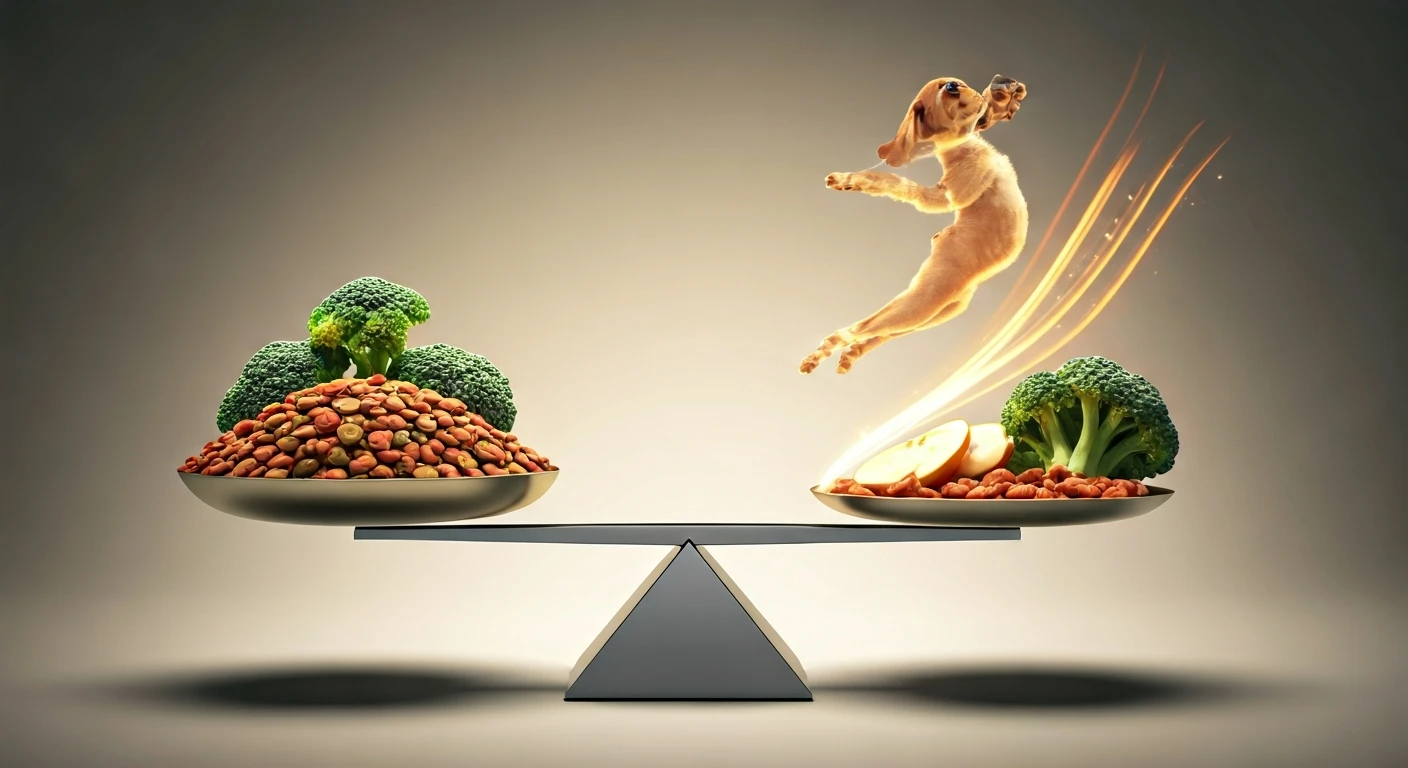




The Calorie Conundrum
The basic principle of weight management is the same for pets as it is for people: calories in versus calories out. When your dog isn't chasing squirrels for an hour every day or your cat is spending more time on the windowsill than stalking through the house,
their energy expenditure plummets. Continuing to feed them the same amount of food creates a calorie surplus, and the body, ever efficient, stores that extra energy as fat. Even a small, consistent surplus can lead to significant weight gain over time. This isn't just a cosmetic issue. The Association for Pet Obesity Prevention notes that obesity is linked to a host of health problems in pets, including arthritis, diabetes, heart disease, and a shorter lifespan.
Why Simply Cutting Portions Isn't Enough
Your first instinct might be to just scoop a little less food into the bowl. While reducing portion size is part of the solution, it can be a risky strategy if done incorrectly. High-quality commercial pet foods are formulated to provide a complete and balanced suite of vitamins, minerals, and nutrients at a specific serving size. Drastically cutting back on the volume of food can inadvertently lead to nutritional deficiencies. Your pet might be getting fewer calories, but they could also be missing out on the essential building blocks for healthy joints, a strong immune system, and a shiny coat. This is the essence of feeding “smarter,” not just “less.”
Make Smart Swaps and Adjustments
Instead of just reducing kibble, focus on strategic adjustments. First, be precise. Use a measuring cup for every meal—don’t eyeball it. Second, look at the treats. Those high-calorie biscuits and jerky strips add up quickly. Swap them for low-calorie alternatives. Many dogs love crunchy vegetables like green beans, baby carrots, or small pieces of apple (with seeds and core removed). For cats, a few flakes of dried tuna or a specialized low-calorie treat can satisfy them. You can also make meals more engaging and last longer by using a puzzle feeder or a slow-feed bowl. This not only provides mental stimulation for a bored pet but also helps their brain register that they’re full with a smaller amount of food.
Consider a 'Light' or Weight-Control Formula
If the decrease in activity is going to be a long-term change—perhaps due to aging or a chronic health issue—it might be time to switch their food. Weight-control or “light” formulas are specifically designed for this scenario. They typically have lower calorie density and fat content but are often higher in fiber. This allows you to feed your pet a satisfyingly full bowl of food while keeping their calorie intake in check. The increased fiber also helps them feel fuller for longer. However, not all light formulas are created equal, and a sudden switch can cause digestive upset. This is a significant change that shouldn't be made without guidance.
Your Vet Is Your Best Co-Pilot
Before you make any significant changes to your pet’s diet, the single most important step is to consult your veterinarian. They are your best resource for creating a safe and effective plan. A vet can perform a physical exam and determine your pet’s Body Condition Score (BCS), giving you an objective measure of their current state. Based on your pet's age, breed, and specific health profile, your vet can recommend a target daily calorie count, suggest specific food brands or formulas that meet their nutritional needs, and help you monitor their progress safely. They can rule out any underlying medical issues and ensure your plan supports their overall well-being, not just their waistline.