

The Flavor Factor: Beyond Salt and Steam
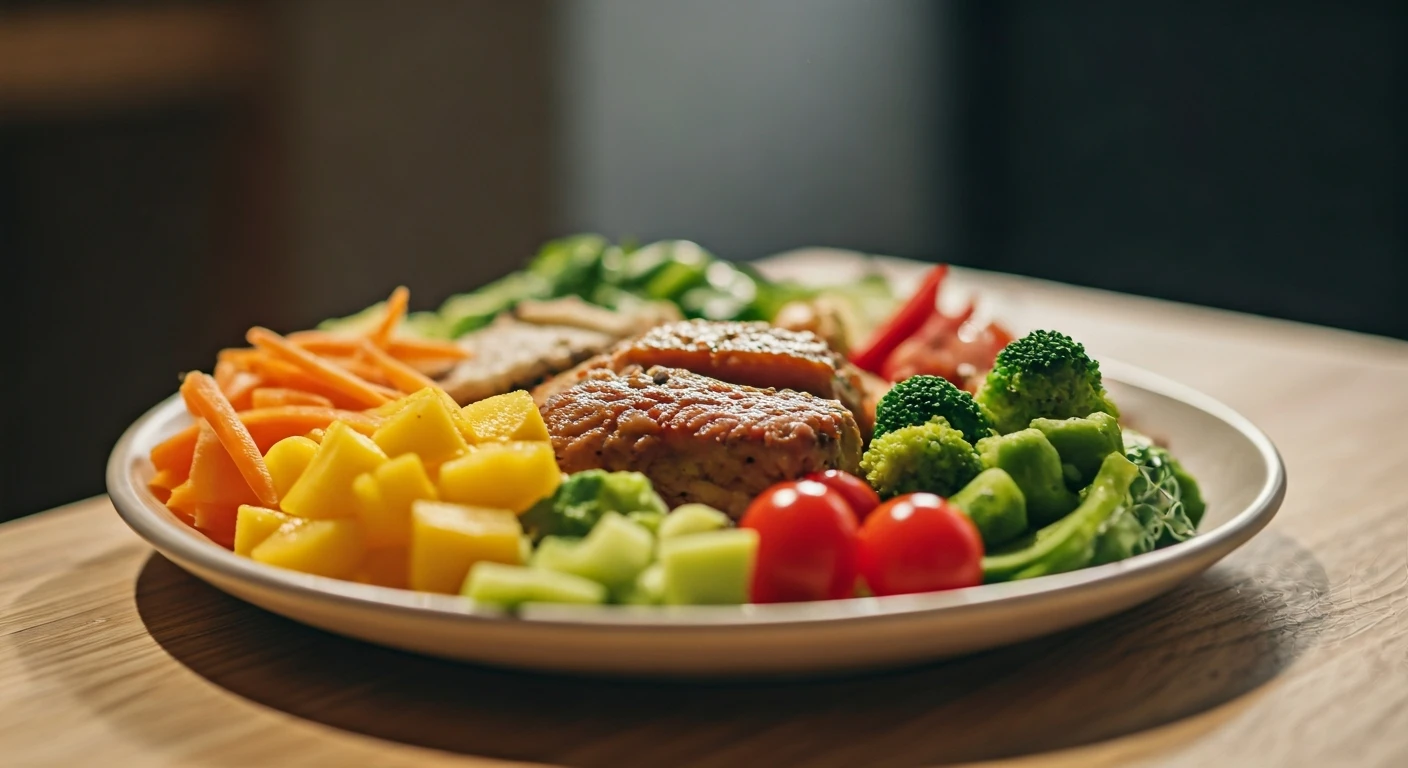
Let’s start by dismantling a persistent myth: healthy food is bland. If your idea of a healthy meal is steamed broccoli and a plain chicken breast, it’s no wonder you’re not sticking with it. Your taste buds crave excitement, and you can give it to them
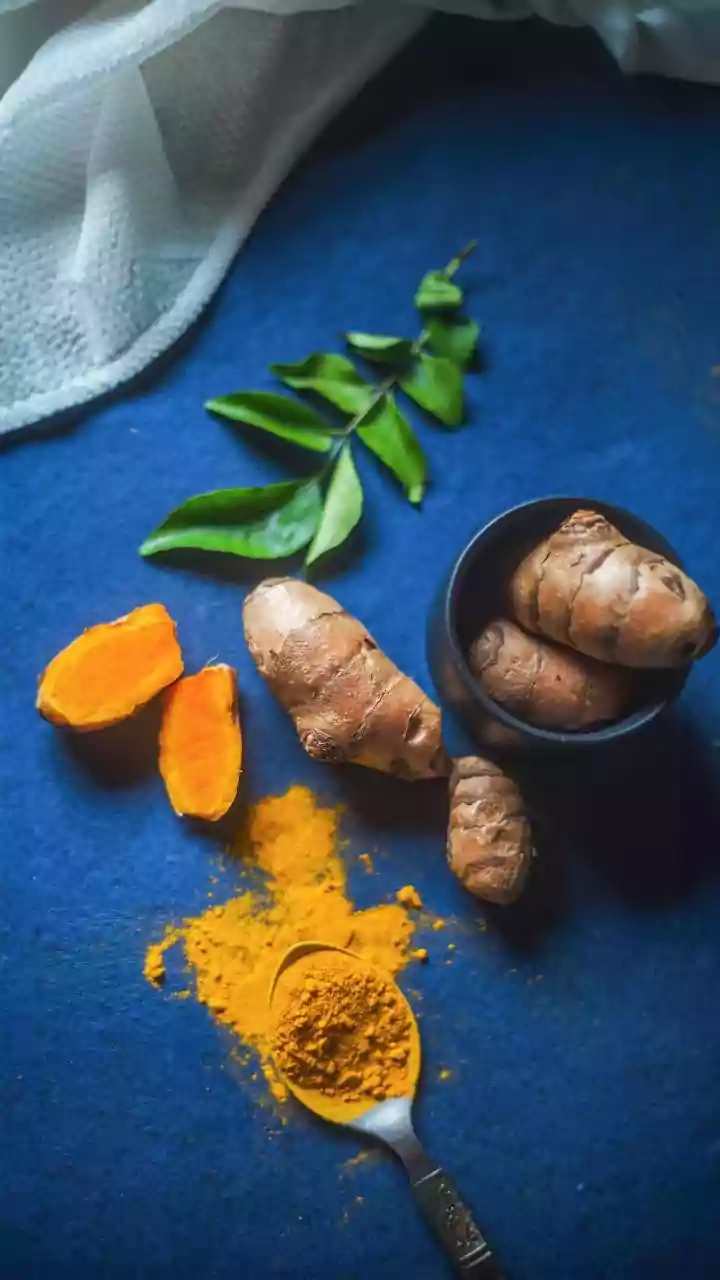
without compromising on health. The key is to master flavor-building with ingredients that add complexity, not just calories. Think of your spice rack as a painter's palette. Smoked paprika can give vegetables a bacony, grilled richness. Cumin and coriander build earthy depth. A simple squeeze of lemon or a splash of vinegar at the end of cooking can brighten an entire dish, making flavors pop in the same way a pinch of salt does. Fresh herbs like cilantro, parsley, and basil deliver a burst of freshness that cuts through richness and makes everything taste more alive.
Harnessing Healthy Fats and Umami
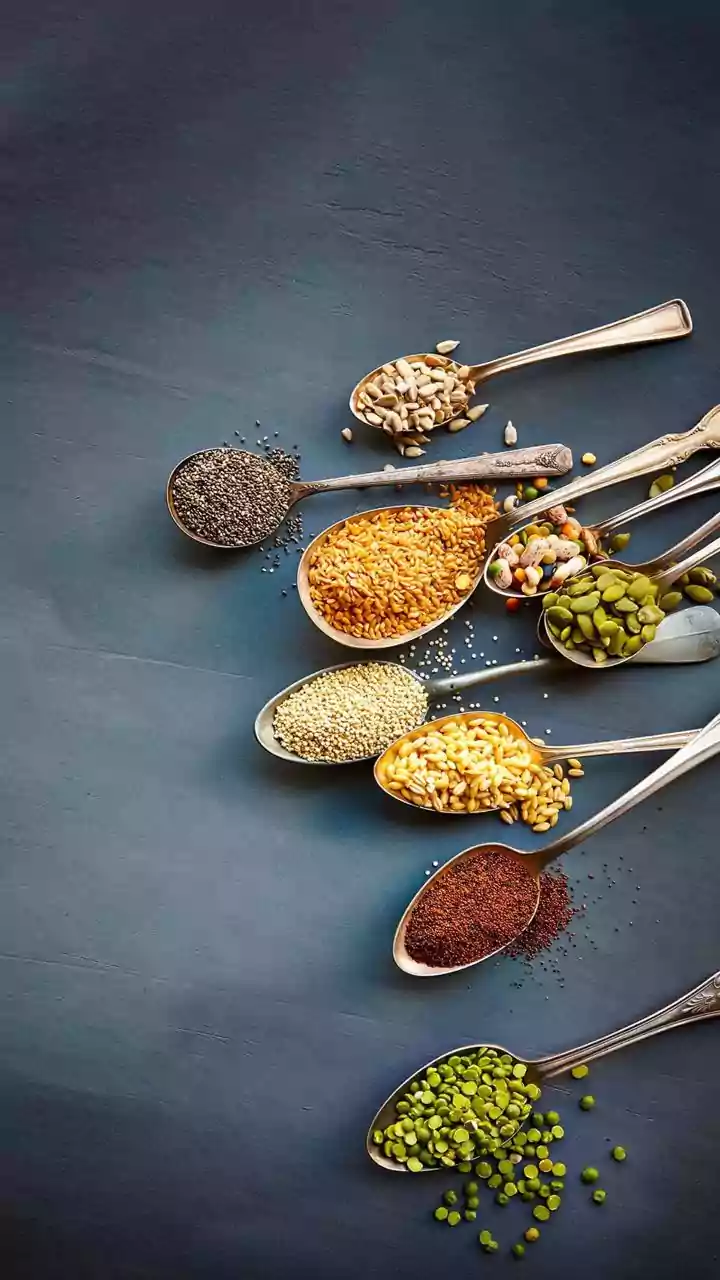
Fat isn't the enemy; the wrong kind is. Healthy fats from sources like olive oil, avocado, nuts, and seeds do more than just provide essential nutrients—they carry flavor and create a satisfying feeling of fullness. A drizzle of good-quality olive oil over roasted vegetables is not an indulgence; it's a tool for deliciousness. Beyond that, start thinking about umami, the so-called fifth taste responsible for savory, mouth-watering satisfaction. You can find it in mushrooms, ripe tomatoes, soy sauce (use low-sodium), and nutritional yeast, which offers a cheesy, nutty flavor perfect for sprinkling on salads or into sauces. By intentionally adding these umami-rich ingredients, you create meals that are deeply satisfying on a primal level, reducing the craving for less healthy, processed comfort foods.
The Convenience Revolution: Reclaiming Your Time
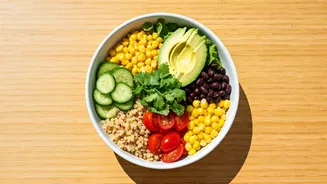
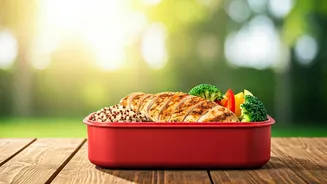
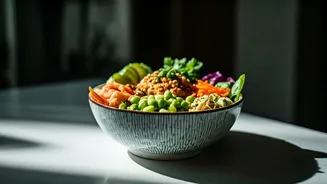
Even the most delicious healthy meal is useless if you don't have the time or energy to make it. This is where convenience becomes your most powerful ally. The goal is to make the healthy choice the easiest choice. Start with 'ingredient prep' instead of 'meal prep.' Instead of cooking five identical meals, spend an hour on Sunday washing and chopping lettuce, dicing onions, roasting a big batch of sweet potatoes, and cooking a pot of quinoa. This creates a 'Lego set' of healthy components you can quickly assemble into different meals—salads, grain bowls, or tacos—throughout the week. This approach offers variety and flexibility, preventing the flavor fatigue that often derails rigid meal plans.
Smart Outsourcing and Your Freezer
Convenience doesn't have to mean cooking everything from scratch. Embrace modern shortcuts. The freezer is your best friend for locking in nutrients and convenience. Stock it with frozen fruits for smoothies and frozen vegetables for quick additions to stir-fries or soups—they are often frozen at peak freshness and are just as nutritious as their fresh counterparts. Don’t shy away from pre-chopped vegetables or bagged salads at the grocery store; if paying a small premium means you’ll actually eat a salad instead of ordering a pizza, it's a worthy investment in your health. Similarly, healthy meal kits or delivery services can be a game-changer for busy weeks, taking the mental load of planning and shopping off your plate. Think of these as strategic tools, not signs of failure.