

The End of the Itinerary
For decades, the gold standard of a successful vacation was the ‘marathon.’ It involved a dizzying schedule of sights, museums, and photo-ops, all meticulously planned to maximize every second. Think of a whirlwind European tour: Rome on Monday, Florence
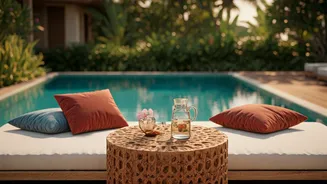
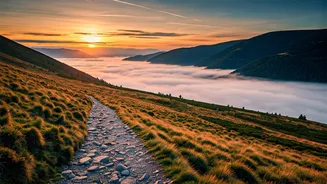
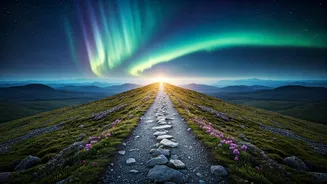
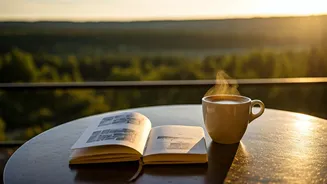
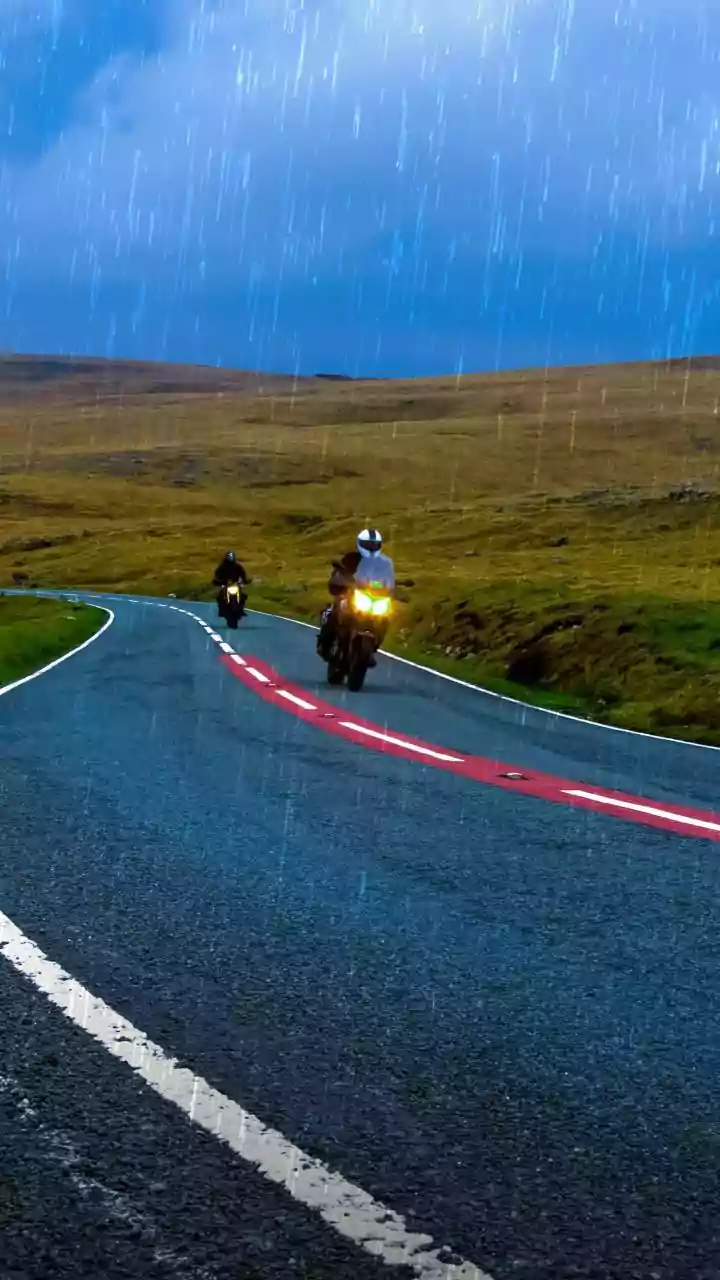
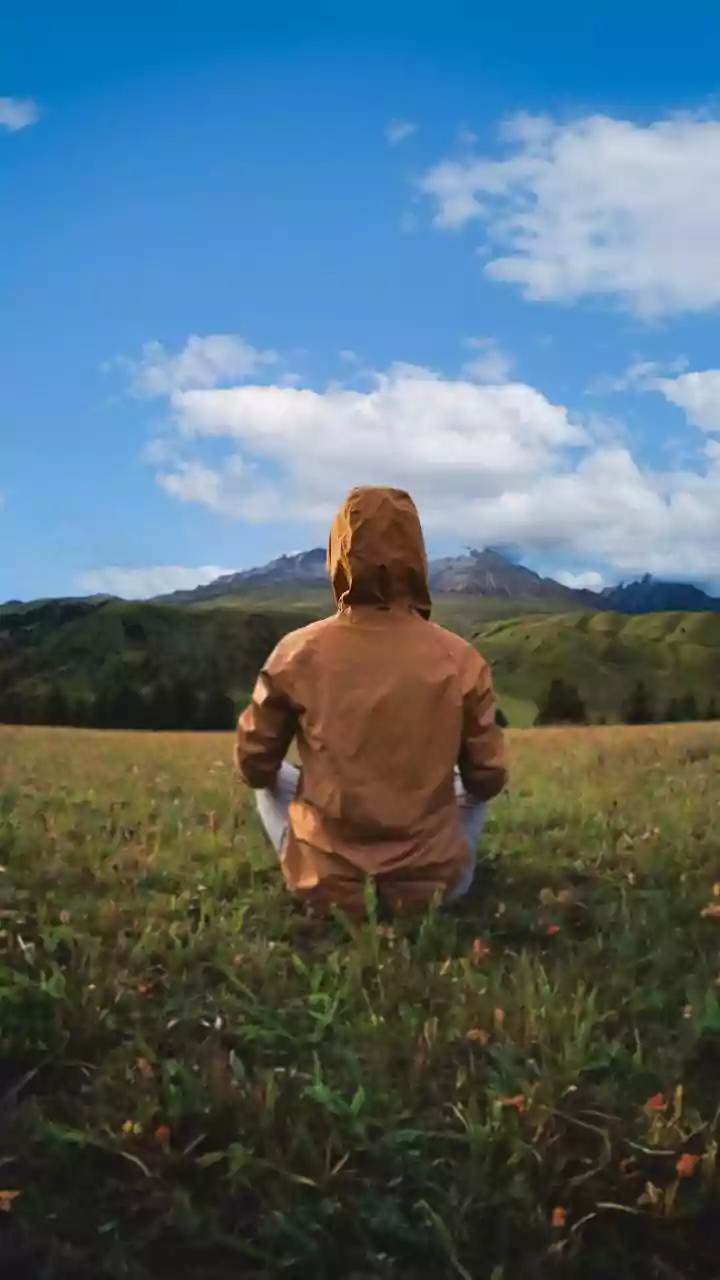
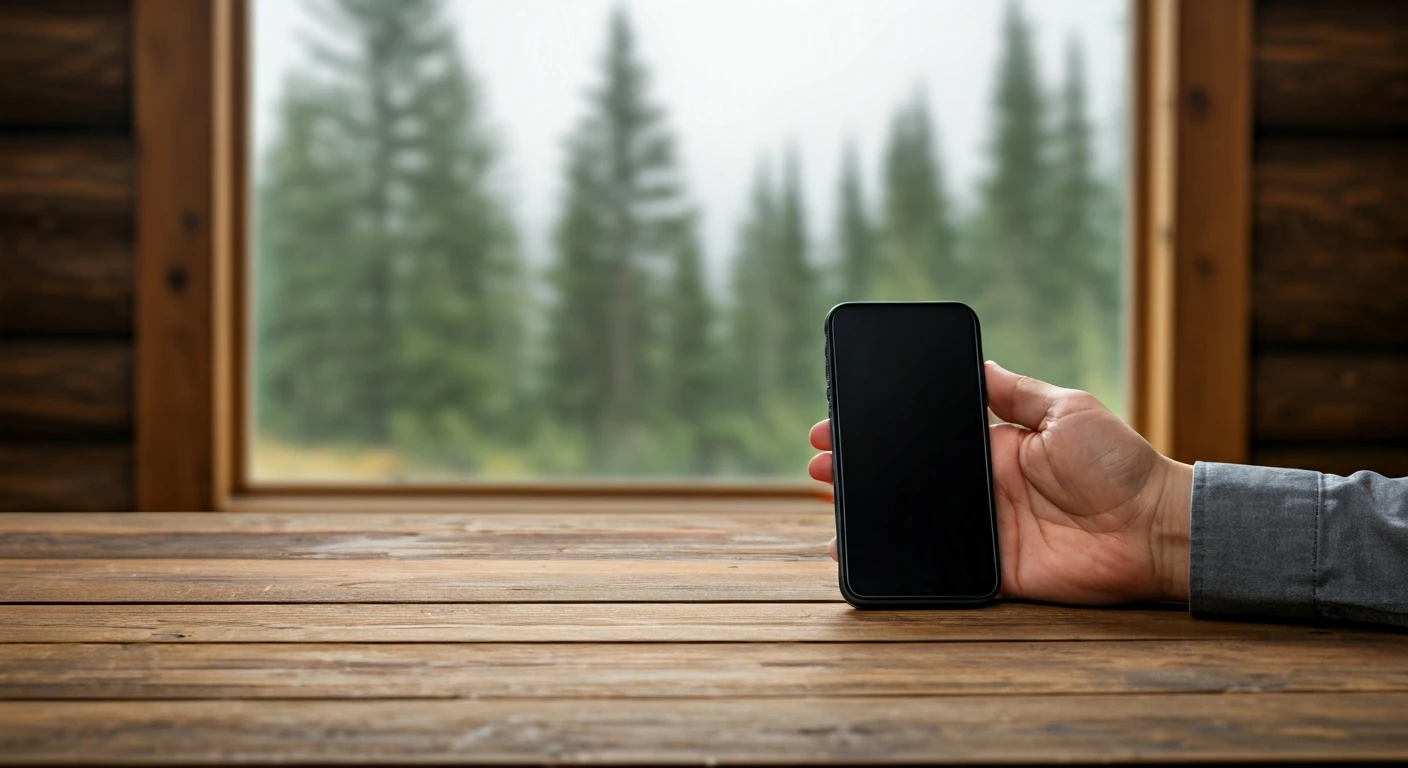
on Tuesday, and a blur of train stations in between. This approach was about conquering a destination, returning home with a camera roll full of evidence and a sense of accomplishment. But for a growing number of younger travelers, this sounds less like a vacation and more like a second job. Enter the 'mood trip.' The concept is simple: the goal isn’t to see everything, but to feel something specific. It’s travel organized around an emotional theme or a desired state of mind—coziness, creativity, tranquility, or adventure. The itinerary, if one exists at all, is secondary to the overall atmosphere. A 'mood trip' isn't defined by a location but by an experience: a rainy weekend in a mountain cabin with a stack of books, a sun-drenched trip to a coastal town with no plans beyond finding the best local seafood, or a few days in a bustling city spent entirely in cafes and galleries.
From FOMO to JOMO
So, what’s driving this shift from frantic sightseeing to intentional slowing down? In a word: burnout. Gen Z and younger Millennials have grown up in a world of constant connectivity, productivity pressure, and the 'Fear Of Missing Out' (FOMO) fueled by social media. The marathon holiday is just an extension of this hustle culture—another checklist to complete, another performance to optimize. The 'mood trip' is a direct rebellion against it. This new approach is powered by the 'Joy Of Missing Out' (JOMO). It’s the liberating realization that you don’t have to do it all. Instead of returning from a vacation needing another vacation to recover, these travelers are actively seeking rest and mental restoration. A 2024 travel trends report from American Express noted a significant rise in travelers planning trips with looser schedules, prioritizing relaxation over a packed agenda. It’s a collective exhale—a conscious decision to use precious time off to actually disconnect and recharge, rather than just relocate the stress.
Curating a Vibe, Not a Schedule
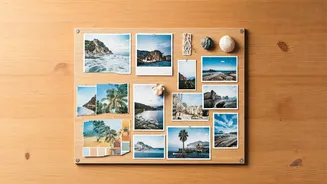
What these trips look like in practice is as varied as the moods they aim to capture. A trip themed around ‘dark academia’ might involve visiting old libraries, moody coffee shops, and historic university towns in New England during the fall. A ‘coastal grandmother’ escape could mean renting a house in a quiet beach town, focusing on long walks, farmers' markets, and cooking leisurely meals. The planning process itself has changed. Instead of starting with flight deals and hotel bookings, it often begins with a visual or conceptual idea, frequently sourced from platforms like Pinterest or TikTok. Travelers create mood boards—digital or otherwise—that capture the desired aesthetic. The destination becomes the one that best facilitates that feeling, not the one with the most famous landmarks. It’s less about “Where should we go?” and more about “How do we want to feel?”
The Social Media Paradox
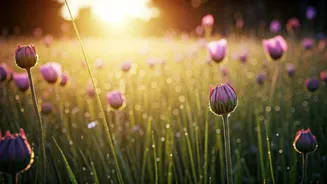
It’s tempting to see this trend as a complete rejection of our hyper-documented world, but the reality is more complex. While mood-based travel pushes back against the pressure to stage the ‘perfect’ vacation photo in front of a monument, it is deeply intertwined with social media. Platforms like TikTok are the engine of this trend, where micro-aesthetics and ‘cores’ (like #cottagecore or #desertvibe) provide the vocabulary and visual inspiration for these journeys. The performance hasn’t disappeared; it has simply evolved. The new currency isn’t a picture of you at the Eiffel Tower, but a cinematic montage of you living out a specific vibe—rain spattering on a windowpane, hands wrapped around a warm mug, a slow-motion walk through a sunlit field. The goal is no longer to prove ‘I was there,’ but to broadcast ‘I felt this.’ It’s a more subtle, atmospheric form of social sharing, but it’s sharing all the same.