




A City That Can't Breathe
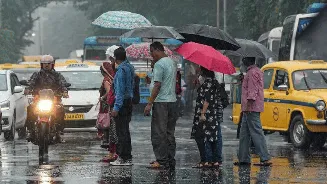
Imagine an entire season where the air is so polluted that it's equivalent to smoking dozens of cigarettes a day. That’s the reality for over 20 million people in India’s capital region each year between October and January. The Air Quality Index (AQI),
which the U.S. considers “unhealthy” over 150, regularly skyrockets past 500 in Delhi, sometimes even exceeding 999—the maximum reading on most sensors. This isn't just fog; it’s a thick, acrid haze of particulate matter that causes severe respiratory illness, cardiovascular problems, and a crippling disruption of daily life. For years, authorities have tried temporary solutions like restricting car usage and halting construction, but the smog always returns, thicker than before.
The Real Culprit: Agricultural Fires
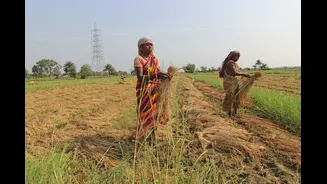
While urban pollution is a year-round issue, Delhi’s winter “airpocalypse” is directly linked to a specific agricultural practice in the neighboring states of Punjab and Haryana. After harvesting rice, farmers are left with millions of tons of crop stubble. They have a very short window—just a few weeks—to clear their fields to plant the next crop, wheat. The fastest and cheapest way to do this is to simply set the fields on fire. The result is a colossal smoke plume, containing carbon monoxide and carcinogenic particles, that drifts hundreds of miles southeast and settles over the Delhi metropolitan area. Studies have shown that on the worst days, this farm smoke can account for over 40% of the city’s deadly particulate pollution. Fining farmers has failed, as they see no economically viable alternative.
Enter Hydroponics: A Soil-Free Solution
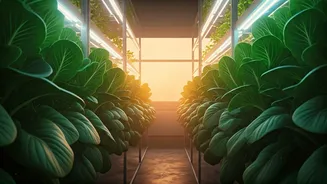
This is where the headline’s bold claim comes into play. Hydroponics is a method of growing plants without soil, using nutrient-rich water solutions instead. Plants are typically grown indoors or in greenhouses in vertically stacked layers, which dramatically reduces the need for land and water. A hydroponic system can grow produce year-round, in any climate, with yields that are many times higher than traditional agriculture. While often associated with growing lettuce and herbs for urban foodies in the U.S., its most powerful application in this context is not for human food, but for animal fodder.
Solving the Fodder Problem
Here’s the crucial connection: Why is rice stubble burned instead of being used for something else? Because it’s silica-rich and has very low nutritional value, making it poor-quality animal feed. Farmers have no use for it. Hydroponics changes this equation. By using a small space, farmers can cultivate highly nutritious green fodder like barley or maize in just 7-10 days. This fresh, protein-rich feed is far superior for livestock than dry, low-quality straw. Suddenly, the economic incentive shifts. Instead of burning a worthless byproduct, farmers can use their resources to grow high-value fodder. The stubble, no longer an obstacle, can be tilled back into the soil using subsidized machinery, improving soil health over time. Hydroponics doesn’t just offer an alternative; it creates a new, profitable reason to *stop* burning.
From Bold Idea to Practical Tool
Calling hydroponics the “ultimate answer” is an oversimplification. Delhi's pollution has multiple sources, including vehicle emissions and industrial waste, that hydroponics can't fix. Furthermore, the initial setup cost of hydroponic systems can be a barrier for small-scale farmers, requiring government subsidies or private investment to become widespread. However, it is arguably the most promising solution specifically for the stubble-burning crisis because it addresses the root economic cause. Pilot programs have shown that farmers who adopt hydroponic fodder production not only stop burning their fields but also see improved milk yields from their cattle. It turns a pollution problem into an economic opportunity, which is always the most effective catalyst for change.