





The Problem with Produce
For millions of city-dwellers in India, getting fresh, trustworthy produce is a daily challenge. The journey from farm to table can be long, involving multiple middlemen and convoluted supply chains. By the time vegetables reach urban markets, they may
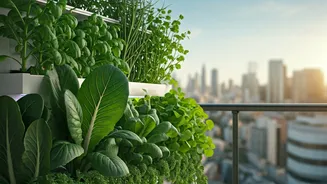
have lost significant nutritional value. More pressingly for a growing number of consumers, concerns over pesticide residue, artificial ripening agents, and general hygiene have created a powerful demand for a better alternative. This isn't just a niche concern for the wealthy. As India's middle class has expanded, so has its awareness of health and wellness. People want to know where their food comes from. But in apartment buildings stacked stories high, with limited space and often unforgiving tropical heat, traditional gardening is a non-starter for most. You can’t exactly till a field on a 15th-floor balcony. This unique set of pressures—a dense population, food safety worries, and a lack of space—created the perfect environment for a technological disruption.
Gardening Without Ground
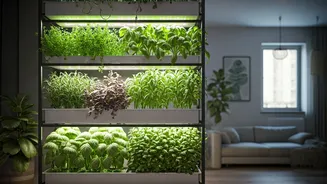
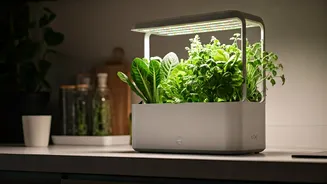
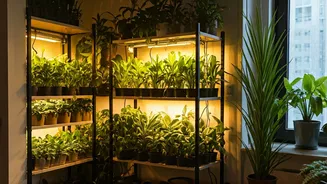
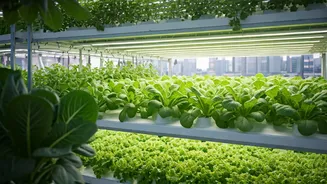
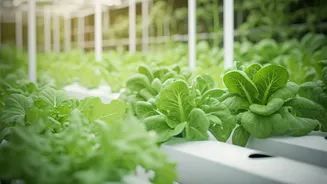
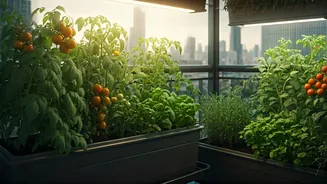
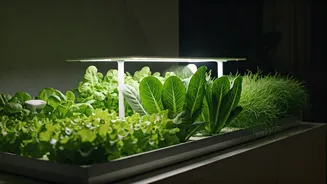
The first wave of this revolution isn't happening in soil, but in water. Hydroponics, a method of growing plants using nutrient-rich water solutions instead of soil, has become the go-to solution for urban Indian gardeners. Companies like UGF (Urban Green Fate) and CityGreens have developed compact, modular hydroponic kits designed specifically for apartments. These vertical systems can grow dozens of plants—lettuce, spinach, herbs, tomatoes—in a space no bigger than a small bookshelf. For the user, the appeal is immediate. There’s no messy soil to haul upstairs, fewer pests to worry about, and dramatically less water usage—a critical feature in cities that often face water shortages. Because the nutrients are delivered directly to the roots, plants can grow faster and yield more produce in a smaller footprint. It effectively transforms a small, sunlit corner into a miniature, hyper-efficient farm.
The Brains of the Operation
What truly makes this new wave of gardening “tech-friendly” is the smart layer built on top of the hardware. This isn't your grandmother’s gardening, which relied on intuition and experience. This is gardening for the smartphone generation. Many of these hydroponic systems come integrated with IoT (Internet of Things) sensors that take the guesswork out of cultivation. These sensors monitor crucial variables in real-time: water levels, pH balance, nutrient concentration, and ambient light. This data is then fed to a mobile app, giving the user a simple, clean dashboard for their mini-farm. The app might send a push notification saying, “Nutrient levels are low. Add one capful of Solution B,” or “Reservoir needs refilling.” By automating the most difficult parts of plant care, these startups have lowered the barrier to entry. You don't need a green thumb; you just need a Wi-Fi connection and the ability to follow simple instructions on your phone. It turns a complex biological process into a manageable, plug-and-play system.
Farming as a Service
Perhaps the most innovative model to emerge is “farming as a service.” Recognizing that even a smart system requires some effort, several companies offer a full-service subscription. For a monthly fee, a company will install a hydroponic unit on your balcony, provide the seeds and nutrients, and—crucially—send a technician to perform regular maintenance. The homeowner gets all the benefits of ultra-fresh produce without any of the labor. This model effectively outsources the entire process. It’s perfect for busy urban professionals who value the outcome—fresh, organic food—but don't have the time or inclination to manage the process themselves. They get a steady supply of basil, mint, and bok choy harvested just moments before dinner, all managed by a remote team of experts. It’s the ultimate convergence of ag-tech and the on-demand convenience economy.