

An Ancient Grain’s Modern Moment
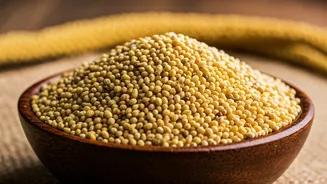
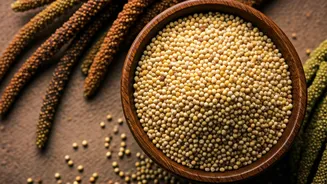
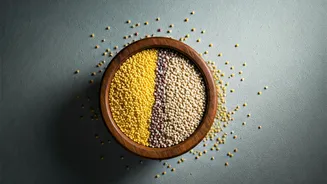
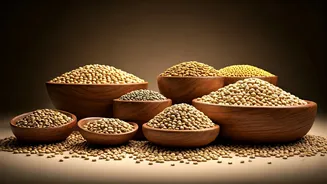
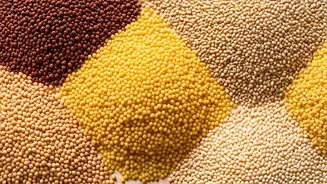
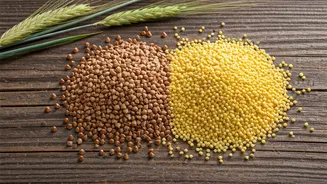
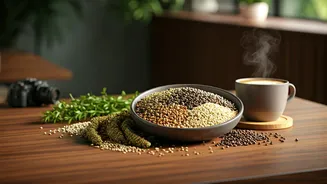
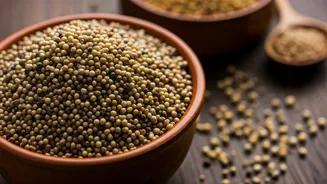
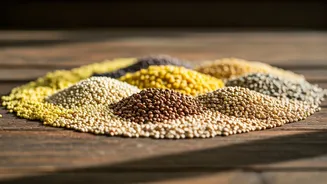
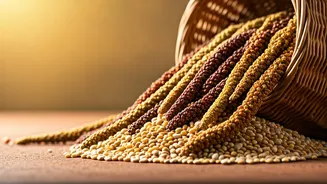
If millet sounds new to you, you’re not alone—but for much of the world, it’s one of the oldest foods imaginable. The term “millet” doesn’t refer to a single grain but to a diverse group of small-seeded grasses, including varieties like pearl millet,
fonio, teff, and sorghum. For millennia, these grains were staple crops across Africa and Asia, feeding civilizations long before wheat and rice became dominant. So why the sudden resurgence? A perfect storm of factors. Health-conscious consumers are seeking nutrient-dense, gluten-free alternatives to modern processed grains. Simultaneously, chefs are exploring ancestral ingredients to create innovative, story-rich dishes. The United Nations even declared 2023 the “International Year of Millets,” citing its potential to bolster global food security thanks to its incredible climate resilience—it thrives in hot, dry conditions where other cereals fail.
A Nutritional Powerhouse
The health claims surrounding millet aren't just hype; they're backed by solid nutritional science. For starters, all varieties of millet are naturally gluten-free, making them an excellent and whole-food choice for individuals with celiac disease or gluten sensitivity. But the benefits extend far beyond that. Millets are packed with protein, fiber, and essential minerals like magnesium, phosphorus, and iron. This high-fiber content aids digestion and promotes a feeling of fullness, which can help with weight management. Furthermore, millets generally have a low glycemic index, meaning they release sugar into the bloodstream slowly, preventing the sharp spikes and crashes associated with refined carbohydrates. This makes them a particularly smart choice for managing blood sugar levels. They are also rich in antioxidants, compounds that help fight oxidative stress in the body.
More Than Food, a Legacy
To frame millet as just a “health food” is to miss half the story. For countless communities, this grain is a profound link to cultural heritage. In Ethiopia, teff is the foundation of injera, the spongy, flavorful flatbread that is central to nearly every meal. In India, millets like jowar and ragi are used to make traditional rotis and porridges that have sustained families for generations. In West Africa, fonio—one of the oldest cultivated cereals on the continent—is celebrated not only for its delicate, nutty flavor but also for its role in cultural ceremonies. By embracing millet, chefs and home cooks are not just diversifying their pantries; they are participating in the preservation of these rich foodways. These menus aren't just serving a grain; they are serving a story of survival, tradition, and identity.
From Ancient Fields to Your Plate
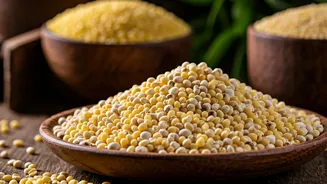
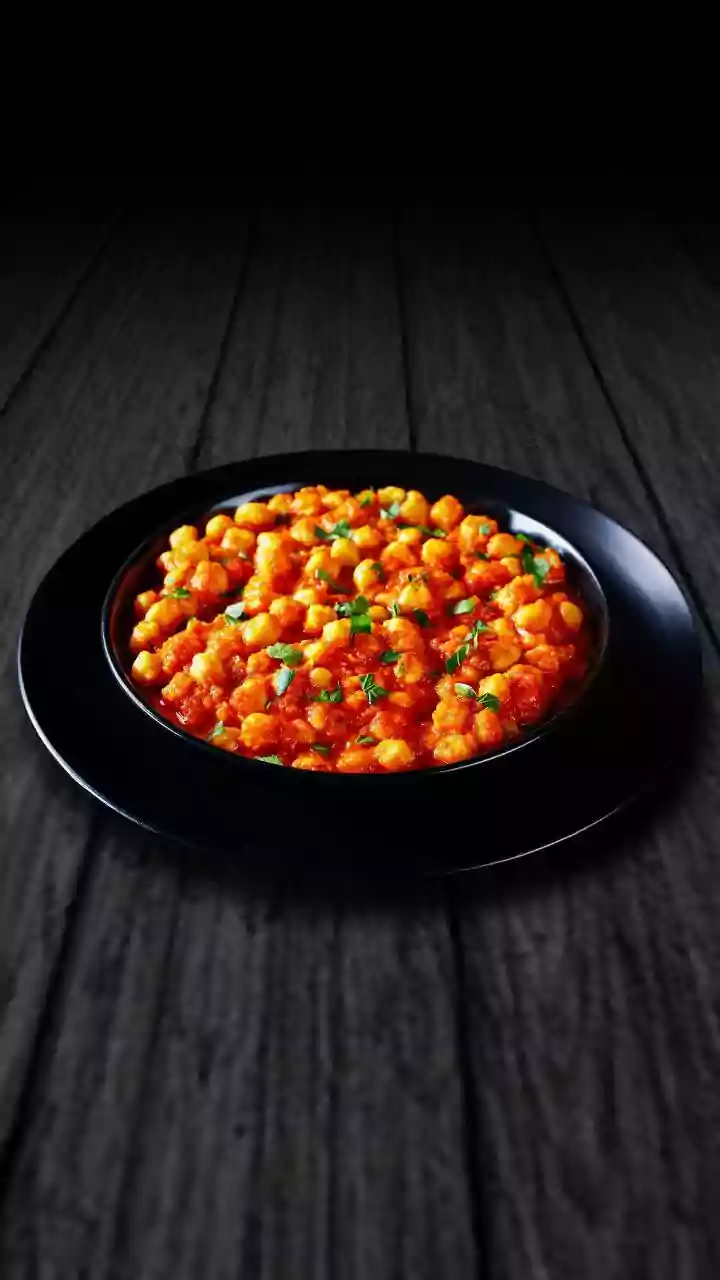
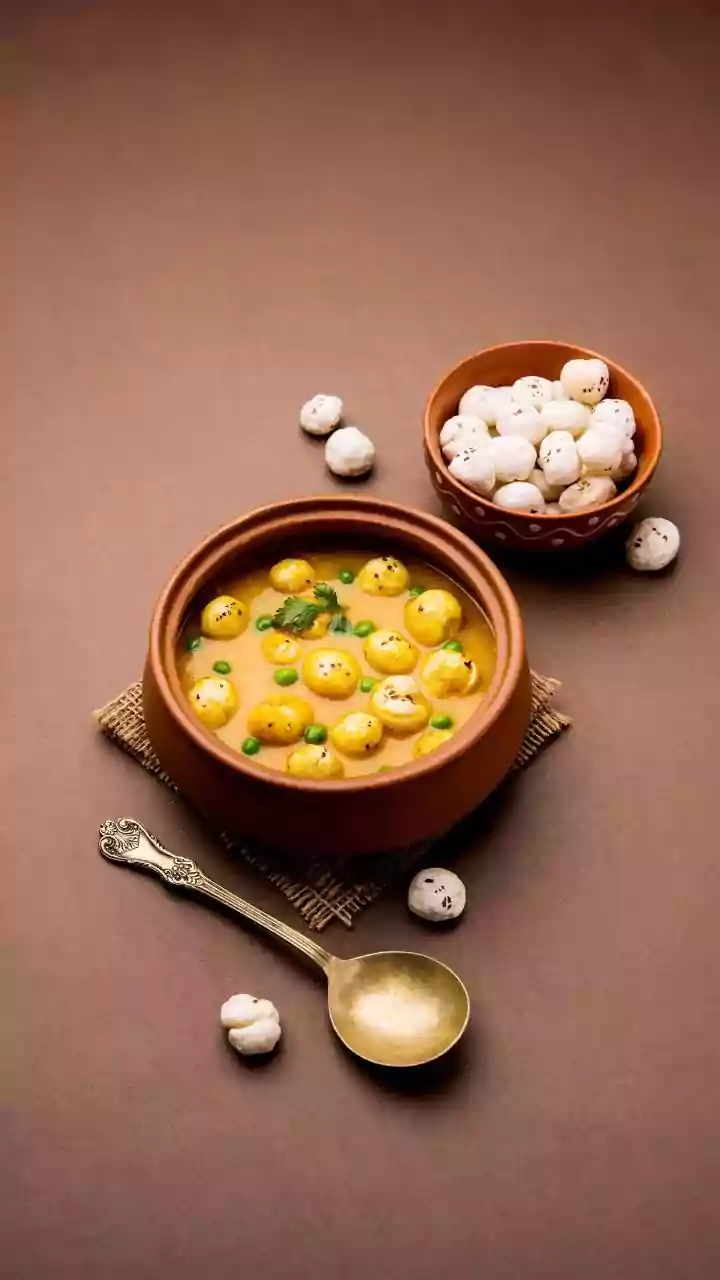
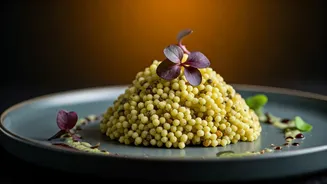
The great news is that you don’t need to be a professional chef to enjoy the benefits of millet. It’s becoming increasingly available in U.S. grocery stores and is remarkably versatile in the kitchen. You can cook it into a fluffy pilaf to replace rice, simmer it into a creamy breakfast porridge topped with fruit and nuts, or pop it like popcorn for a crunchy snack. Many varieties, like fonio, cook in just a few minutes, making them perfect for a quick weeknight meal. On menus, you’ll find it used in creative ways: as the base for hearty grain bowls, ground into flour for gluten-free baked goods, or even incorporated into veggie burgers for added texture and protein. Its mild, slightly nutty flavor makes it a perfect canvas for a wide array of spices and ingredients, from savory stews to sweet desserts.