






The Backlash to 'Instagram Travel'
For years, the blueprint for a successful vacation seemed written in stone—or at least, in pixels. It involved a packed itinerary, chasing iconic photo ops, and ensuring every meal and sunset was documented for an online audience. This was the era of
'Instagram travel,' where the pressure to perform and curate often overshadowed the simple act of being present. But for Generation Z, the first cohort to grow up fully immersed in the digital world, a quiet rebellion is brewing. They are increasingly rejecting the exhausting demands of performative vacationing in favor of something far more radical: rest. Instead of asking, “How will this look online?” they’re asking, “How will this make me feel?” This shift marks a significant departure from the millennial travel culture that defined the 2010s, moving the focus from external validation to internal restoration.
From Digital Burnout to Deep Relaxation
The driving force behind this trend isn't just a contrarian whim; it's a direct response to modern life. Gen Z reports higher levels of stress and anxiety than any previous generation, much of it linked to the 'always on' nature of social media and digital communication. Their lives are a constant stream of notifications, updates, and comparisons. Consequently, the idea of a vacation that mirrors this hyper-connectivity feels less like a break and more like an extension of the daily grind. Travel, for them, is becoming a tool to combat burnout. The goal is no longer to see and do everything, but to feel something—specifically, a sense of calm. This explains the rising interest in 'slow travel,' 'silent tourism,' and destinations chosen not for their landmarks, but for their lack of cell service. It’s a conscious uncoupling from the digital tether, allowing for genuine mental and emotional recovery.
What 'High-Calm' Actually Looks Like
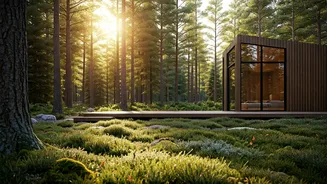
So, what does a low-screen, high-calm trip entail? It’s less about a specific destination and more about an intentional mindset. It might mean choosing a cabin in the woods over a bustling city, where the main activities are hiking, reading a physical book, and sitting by a fire. It could be a 'sleep vacation,' where the primary goal is to catch up on rest, with hotels offering specialized pillows, blackout curtains, and white-noise machines. Some travelers are actively seeking out wellness retreats that focus on meditation, yoga, and mindfulness, with strict no-phone policies. Others are embracing analog hobbies on the road, packing watercolor kits, journals, or film cameras instead of iPads. The common thread is the prioritization of analog, sensory experiences over digital ones. The sound of birds is more important than a Spotify playlist; the texture of a page is more appealing than the glow of a screen.
It's Not a Total Screen Ban
It’s important to clarify that 'low-screen' doesn’t mean 'no-screen.' This isn't a Luddite movement demanding the complete abandonment of technology. After all, smartphones are indispensable tools for navigation, booking, and safety. The key difference is intentionality. Gen Z travelers will use their phones to download maps for offline use, call an Uber, or look up restaurant hours. What they're trying to avoid is the mindless, compulsive scrolling that fills every spare moment. It’s about using the phone as a utility, not as a source of entertainment or a portal for social performance. By setting boundaries—like putting the phone away during meals, leaving it in the hotel room during an excursion, or deleting social media apps for the duration of the trip—they are reclaiming their attention and allowing themselves to fully inhabit their new surroundings.