
It's a Reflection of Modern Life
Let’s be real: for millions of Americans, especially in urban centers, palatial homes are no longer the norm. Rising housing costs, a move toward city living, and smaller family sizes mean that apartments, condos, and compact houses are the new reality.
But instead of seeing this as a limitation, a cultural shift has reframed it as an opportunity. The new status symbol isn't a sprawling McMansion; it's a cleverly designed, hyper-functional space that reflects its owner's personality and ingenuity. This trend is a direct response to how we actually live now, prioritizing efficiency, sustainability, and personal style over sheer square footage.
Furniture That Does Double Duty
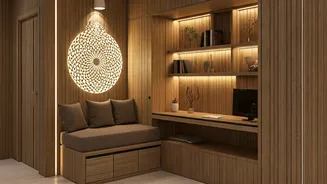
The hero of the small-space movement is multifunctional furniture. Gone are the days when a coffee table was just a coffee table. Today, it’s a lift-top desk, a storage chest, and a surface for your takeout. Think ottomans that secretly hold all your blankets, dining tables that expand to host friends and shrink for everyday use, and sleek, modern Murphy beds that transform a bedroom into a home office in seconds. This isn’t the clunky, awkward convertible furniture of the past. Designers are now creating beautiful, high-quality pieces that work hard without sacrificing aesthetics, making it possible for a 600-square-foot apartment to feel as functional as a space twice its size.
The Vertical Space Revolution
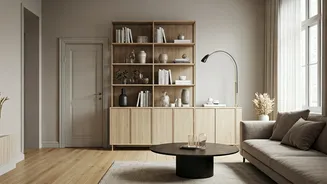
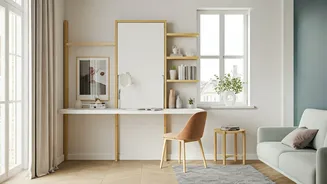
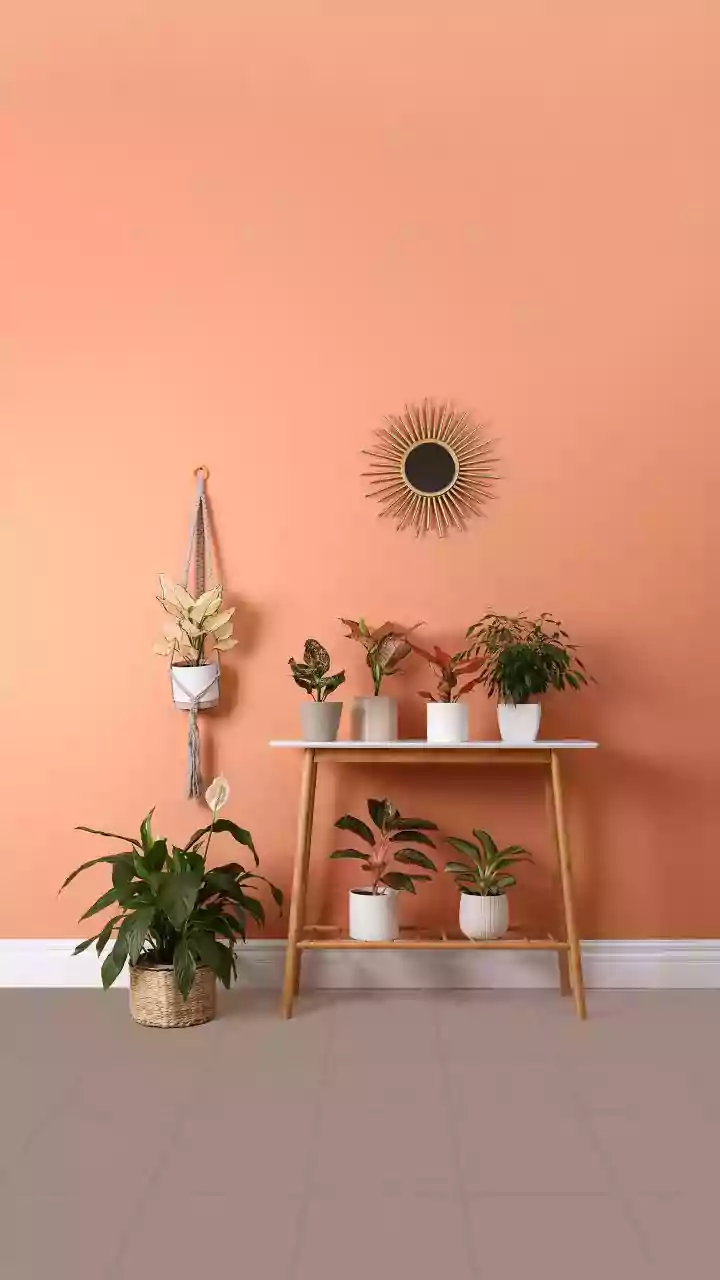
When you can't build out, you build up. This is the core principle of vertical decorating, and it’s a game-changer. Small-space devotees have become masters of using wall space. We’re talking floor-to-ceiling bookcases that draw the eye upward and provide immense storage, floating shelves that display treasured objects without a heavy footprint, and hanging planters that bring in greenery without cluttering surfaces. It’s a visual trick as much as a practical one. By emphasizing height, you create the illusion of a grander, more open room, making the ceiling feel higher and the walls feel wider.
An Obsession with Light and Mirrors
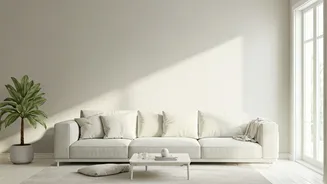
If you want to make a small room feel bigger, the oldest trick in the book is still the best: manipulate light. The small-space trend has turned this into an art form. It starts with a light, neutral color palette—think soft whites, pale grays, and warm beiges—that reflects natural light instead of absorbing it. But the real magic comes from mirrors. A large, well-placed mirror can visually double the size of a room, creating depth and bouncing light into darker corners. You'll see them strategically placed opposite windows or in narrow entryways to create a sense of spaciousness and welcome that defies the actual dimensions of the space.
Creating 'Zones' Without Walls
The open-concept studio or small apartment presents a unique challenge: how do you create distinct areas for living, working, and sleeping without putting up walls? The answer is 'zoning.' This technique uses visual cues to delineate different parts of a room. A large area rug can anchor a living room setup, separating it from a dining nook. A strategically placed open-backed bookshelf can create a semi-private office area without blocking light. Even a change in lighting—a floor lamp for a reading corner, a pendant light over a small table—can signal a shift in function. This approach gives a small home the psychological comfort and organization of a larger one.
Curated, Not Cluttered
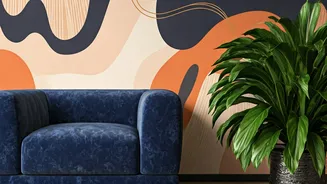
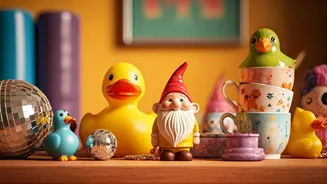
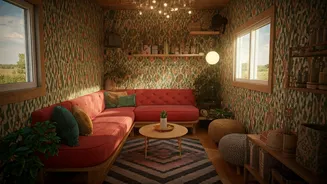
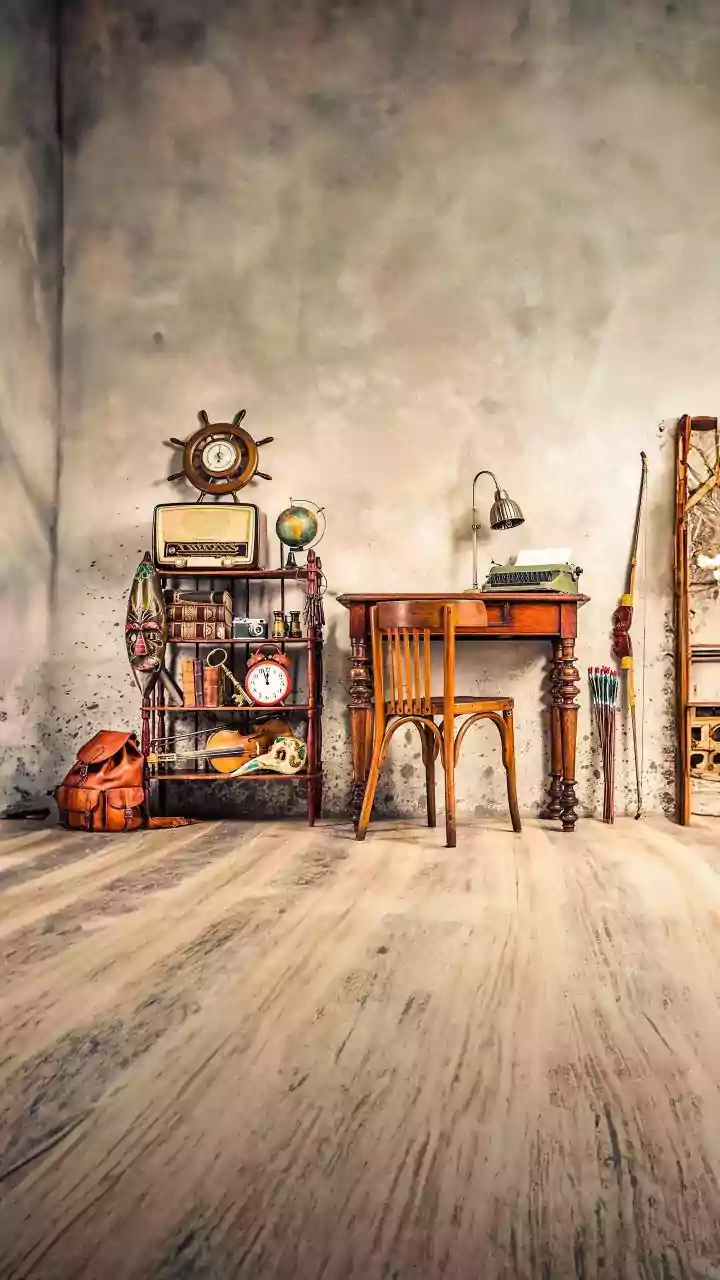
This trend isn't about stark, cold minimalism. In fact, many small-space enthusiasts embrace a 'cluttercore' or 'maximalist' vibe. The key difference is curation. Instead of having less stuff, it’s about having the *right* stuff and displaying it with intention. Every object has a purpose or tells a story. It's the opposite of generic, big-box-store decor. It’s about a gallery wall of personal photos, a collection of unique pottery on an open shelf, or a vibrant textile that adds personality. In a small space, there’s no room for meaningless filler, so everything you choose to live with becomes more significant and impactful.