



The Shaker Bottle Stereotype
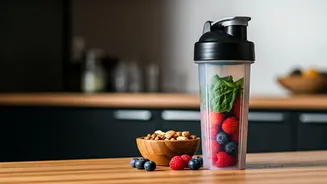
For decades, protein supplements lived in a very specific world. The image was a hulking tub of chalky powder, a neon-colored shaker bottle that always smelled a little funky, and a consumer base almost exclusively made up of bodybuilders and serious
athletes. The goal was singular and unapologetic: 'gains.' The marketing featured impossibly chiseled physiques, and the flavor names—like 'Extreme Muscle Mocha' or 'Anabolic Vanilla'—left little doubt about the target audience. Consuming protein was a ritual tied directly to a workout, a necessary post-lift chore to repair and build muscle. For the average person, it was intimidating, inaccessible, and frankly, didn't taste very good.
Meet the New Protein Sipper
Today, the person grabbing a Fairlife or Premier Protein shake on their way to work is less likely to be a competitive powerlifter and more likely to be a busy parent, a time-crunched professional, or an older adult focused on healthy aging. The demographic has exploded. Women, in particular, have become a key consumer group, drawn to protein's ability to promote satiety (the feeling of fullness), which can help with weight management. Another growing segment is seniors. As we age, we naturally lose muscle mass in a process called sarcopenia. Health experts now emphasize the importance of adequate protein intake to counteract this, making a simple, easy-to-drink shake an ideal solution. The 'gym bro' hasn't disappeared, but he now has to share the aisle with, well, just about everyone.
From Gritty Powders to Grab-and-Go
A huge driver of this shift is the product itself. The industry cracked two major codes: taste and convenience. Brands invested heavily in food science to create ready-to-drink (RTD) shakes that are smooth, creamy, and taste more like a Starbucks Frappuccino or a carton of chocolate milk than a gritty supplement. The clumpy, self-mixed shake is now the exception, not the rule. Convenience is the other superpower. In a world where 'meal prep' is a verb and everyone feels short on time, a 30-gram protein shake is the ultimate life hack. It's a portable, no-mess, portion-controlled mini-meal that can be consumed in the car, at a desk, or on the way to pick up the kids. This shift from a post-workout recovery tool to an anytime meal replacement or snack has been revolutionary.
Wellness, Not Just Weightlifting
The marketing language has evolved just as much as the formulas. Gone are the aggressive promises of 'sleeve-busting arms.' The new vocabulary is all about holistic wellness. Brands now talk about 'fueling your day,' 'curbing hunger,' 'supporting lean muscle,' and providing 'steady energy.' The packaging is softer, with minimalist designs and approachable colors that look at home in a yoga studio's fridge. The focus has pivoted from the aesthetic of bodybuilding to the practical benefits that appeal to a wider audience. It's no longer about looking a certain way; it's about feeling good, having energy, and managing a busy life more effectively. This rebranding has successfully repositioned protein from a niche muscle-builder to an everyday wellness staple, like a daily vitamin or a morning coffee.
The Rise of Plant-Based Options
Further broadening the appeal is the explosion of plant-based protein drinks. Brands like OWYN (Only What You Need) and Evolve have capitalized on the growing number of consumers who are vegan, lactose intolerant, or simply looking to reduce their dairy consumption. Using protein sources like peas, pumpkin seeds, and soy, these drinks have overcome the 'earthy' taste that once plagued plant-based supplements. They now offer a viable, and often delicious, alternative that aligns with modern dietary trends focused on sustainability and plant-forward eating. This innovation ensures that almost no one is left out, opening the door for a new wave of health-conscious consumers who previously saw the category as dairy-dominant and not for them.