


Beyond the Postcard Picture
For decades, the classic vacation revolved around a place: Paris, Rome, the Grand Canyon. You’d go, you’d see the things you were supposed to see, you’d take the photos, and you’d come home. But a fundamental shift is underway. Increasingly, travelers
are building their itineraries not around a location, but around an experience. It’s a move from passive sightseeing to active participation. This trend has two powerful engines: food and live events. Whether it's a pilgrimage to a city known for its vibrant food scene or a cross-country flight for a sold-out stadium tour, the destination is becoming secondary to the mission. People aren't just going to Nashville; they're going to Nashville *for* hot chicken and a show at the Ryman Auditorium.
The Rise of the Culinary Quest
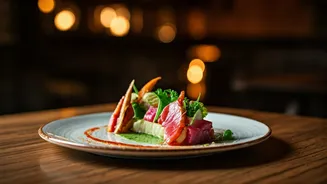
Culinary tourism is no longer a niche hobby for hardcore foodies. It’s a mainstream driver of travel decisions. Organized food trails, once a quaint regional concept, are now major attractions. Think of the Kentucky Bourbon Trail, which guides visitors through the state’s most iconic distilleries, or the Texas BBQ Trail, an unofficial but deeply revered path through the heart of smoked meat country. These aren't just about eating. A food trail is an immersive cultural experience. Each stop tells a story about a region’s history, agriculture, and identity. You’re not just tasting bourbon; you’re learning about the limestone-filtered water and the generations of families who perfected the craft. This desire for authenticity is powerful. A memorable meal provides a tangible, sensory connection to a place that a photograph of a landmark simply can’t replicate.
Have Ticket, Will Travel
The other side of this experiential coin is the phenomenon of “gig-tripping.” While people have always traveled for concerts, the scale and cultural force have reached a new peak. Blockbuster tours by artists like Taylor Swift and Beyoncé have turned concert tickets into golden tickets for entire cities. When a tour date is announced, it sets off a frenzy not just for seats, but for flights, hotels, and dinner reservations. Fans don't just parachute in for the show and leave; they make a weekend of it. They explore the host city, spend money in local restaurants and shops, and effectively create a mini-boom. A recent study noted that concert-goers often spend hundreds, if not thousands, of dollars in the host city on lodging, food, and other activities, turning a single event into a significant economic driver. This has proven that a stadium can be just as powerful a tourist magnet as a national park.
A Search for Something Real
So, why this shift, and why now? In a digitally saturated world, travelers are craving tangible, memorable experiences. After years of lockdowns and social distancing, the allure of sharing a communal experience—whether it’s the roar of a crowd at a concert or a shared meal at a legendary diner—is stronger than ever. It's a rebellion against the generic. We can see photos of anything online, but we can’t digitally replicate the smoky taste of Carolina barbecue or the collective energy of 70,000 fans singing in unison. This kind of travel creates stories. You might forget the details of a museum exhibit, but you’ll never forget the trip you took to finally try the best tacos in Austin or the weekend you flew to Chicago to see your favorite band. These purpose-driven trips are about making memories, not just collecting passport stamps.