
From Landmark to Landscape
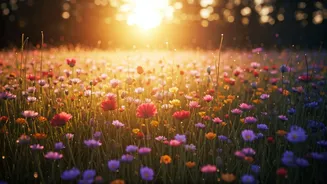
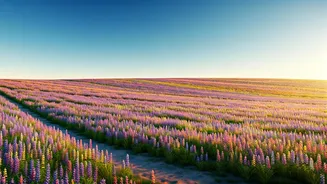
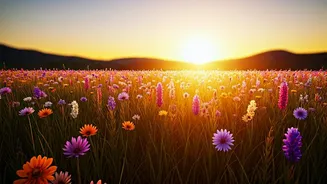
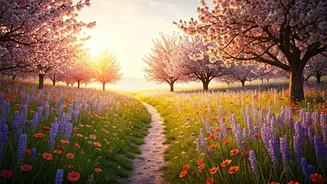
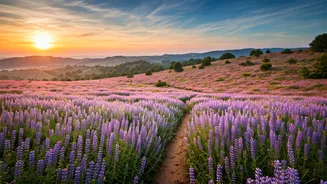
Welcome to the era of bloom-chasing, a travel philosophy that prioritizes witnessing spectacular, seasonal floral displays. This isn’t just about stopping to admire a pretty garden. It’s about planning an entire pilgrimage around the few precious days
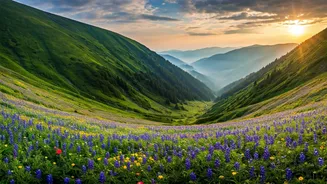
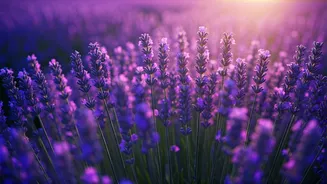
or weeks when a landscape erupts in color. Think less ‘seeing the Eiffel Tower’ and more ‘timing your arrival for the Provence lavender fields.’ The destination is an event, a fleeting spectacle orchestrated by rainfall, temperature, and sunlight. This shift represents a deeper change in what we seek from our time off: less of a checklist, and more of an experience rooted in the natural world's unpredictable, beautiful rhythm.
A Post-Pandemic Push Outdoors
So, why now? The pandemic is a huge part of the story. After years of being confined indoors and online, there's a collective craving for wide-open spaces and tangible, real-world beauty. Bloom-chasing is the ultimate antidote to screen fatigue. It forces you to be present—these flowers won’t be here next week, and they certainly can’t be experienced through a Zoom call. This type of travel embraces slowness and serendipity. It rejects the hyper-scheduled, jam-packed itineraries of pre-pandemic travel in favor of something more mindful. The goal isn’t to conquer a destination, but to simply be there, bearing witness to a moment of natural wonder.
America’s Most Famous Blooms
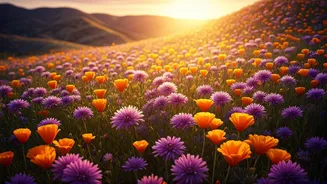
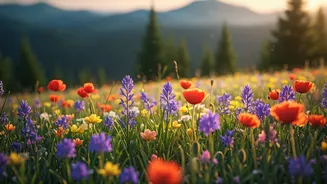
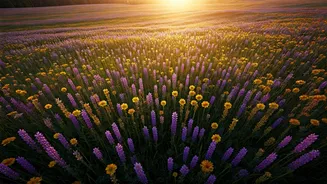
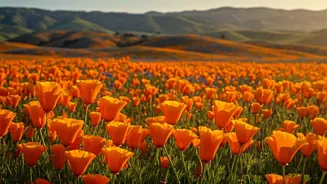
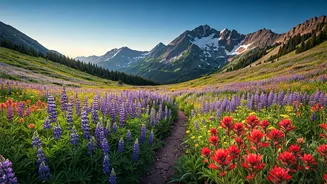
While Japan’s cherry blossom (sakura) season is the global gold standard, the U.S. has its own world-class bloom-chasing circuit. The most dramatic is the West Coast “superbloom.” In rare years of heavy rainfall, deserts like Anza-Borrego Desert State Park and the Antelope Valley California Poppy Reserve explode into a sea of orange, yellow, and purple. In Texas, a rite of spring involves driving through Hill Country to see endless fields of bluebonnets. And on the East Coast, the National Cherry Blossom Festival in Washington, D.C., draws over a million people each year, all hoping to catch the delicate pink and white flowers at their peak around the Tidal Basin. Each event has its own subculture of dedicated followers who track conditions and trade tips online.
The Thrill of the Chase
Part of the appeal is the inherent gamble. Unlike a museum, a bloom is not guaranteed. A late frost, a dry spell, or an early heatwave can diminish or delay the show. This uncertainty adds to the excitement. Travelers become amateur meteorologists and botanists, checking online “bloom trackers,” reading forums, and adjusting plans at the last minute. This quest for an ephemeral reward feels more meaningful than a pre-packaged tour. The payoff is a sense of discovery and a feeling of being in sync with the natural world. It’s the opposite of the on-demand culture we live in; it’s a powerful lesson in patience and accepting what nature provides.
How to Be a Responsible Bloom-Chaser
With the growing popularity of this trend, especially in the age of Instagram, comes a responsibility to protect these fragile ecosystems. The cardinal rules of bloom-chasing are simple but crucial. First, stay on marked trails. Trampling wildflowers can destroy delicate root systems and prevent them from returning next year. Second, never pick the flowers. As the saying goes in parks across the country, “Leave no trace.” The goal is to leave the landscape exactly as you found it for the next person—and the next generation of blooms—to enjoy. Finally, be prepared for crowds and have a backup plan. The most famous spots can get congested, but a little research can often lead you to lesser-known, equally beautiful locations.