




The Ultimate Summer Cooler: Aam Panna
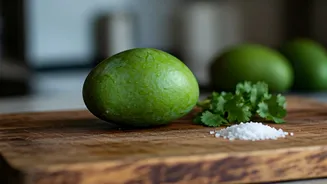
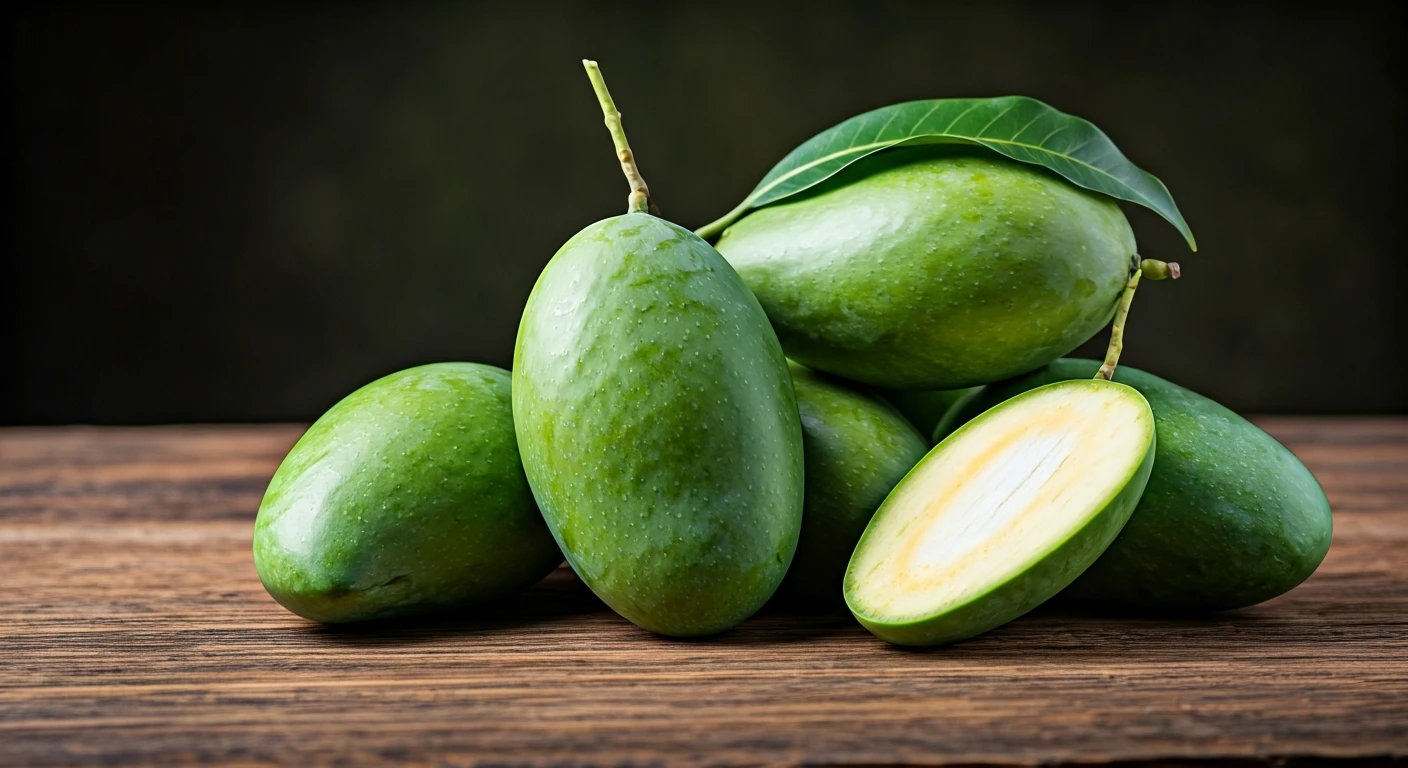
Before green mangoes ripen into the sweet, golden fruit we know and love, they are rock-hard, mouth-puckeringly sour, and incredibly useful. Their first and most famous job is to become Aam Panna, a restorative drink that’s a staple across India during
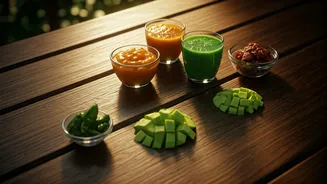
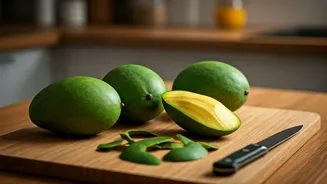
the blistering heat. The process is simple: the hard mangoes are boiled or roasted until the flesh is soft. This pulp is then blended with sugar, mint, and a touch of roasted cumin and black salt. Mixed with cold water, it creates a rehydrating and delicious beverage that replenishes electrolytes lost to sweat. It’s the epitome of using an ingredient at its peak for a specific, seasonal purpose—the perfect antidote to a scorching afternoon.
The Pickle That Lasts All Year: Achar
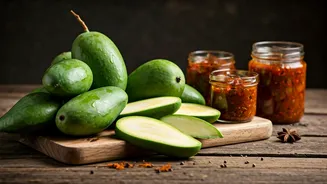
So, what do you do when you have more green mangoes than you can possibly drink in one summer? You preserve them. Kairi Achar, or raw mango pickle, is a cultural cornerstone, a condiment that captures the flavor of summer to be enjoyed year-round. This is where the 'waste nothing' philosophy truly shines. Small, tender mangoes are often chopped up and pickled whole—skin, flesh, and even the soft, undeveloped seed. They are packed in oil and a powerful mix of spices like mustard seeds, fenugreek, and chili powder. The sourness of the mango mellows over time, and the fruit becomes a flavor bomb that elevates simple meals of rice and lentils. Every family has their own secret recipe, a spicy, tangy legacy passed down through generations.
The Instant Gratification Side: Chutneys
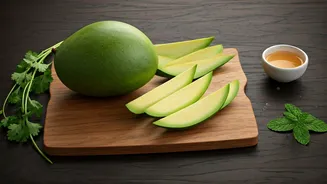
While pickles take weeks or months to mature, raw mango chutneys offer immediate satisfaction. Unlike the sweet, jam-like mango chutneys often found in American grocery stores, these are fresh, sharp, and vibrant. A simple version involves nothing more than grating raw kairi and mixing it with fresh cilantro, green chilis, ginger, and a pinch of salt. It’s a bright, no-cook condiment that can be made in minutes and served alongside grilled meats, fish, or fried snacks. Another popular preparation involves cooking the grated mango with jaggery or sugar until it becomes a sweet and sour relish. It’s a testament to the mango’s versatility—it can be the star of a long, slow preservation project or a quick, zesty dish made just before dinner.
The Heart of the Meal: Kairi Dal
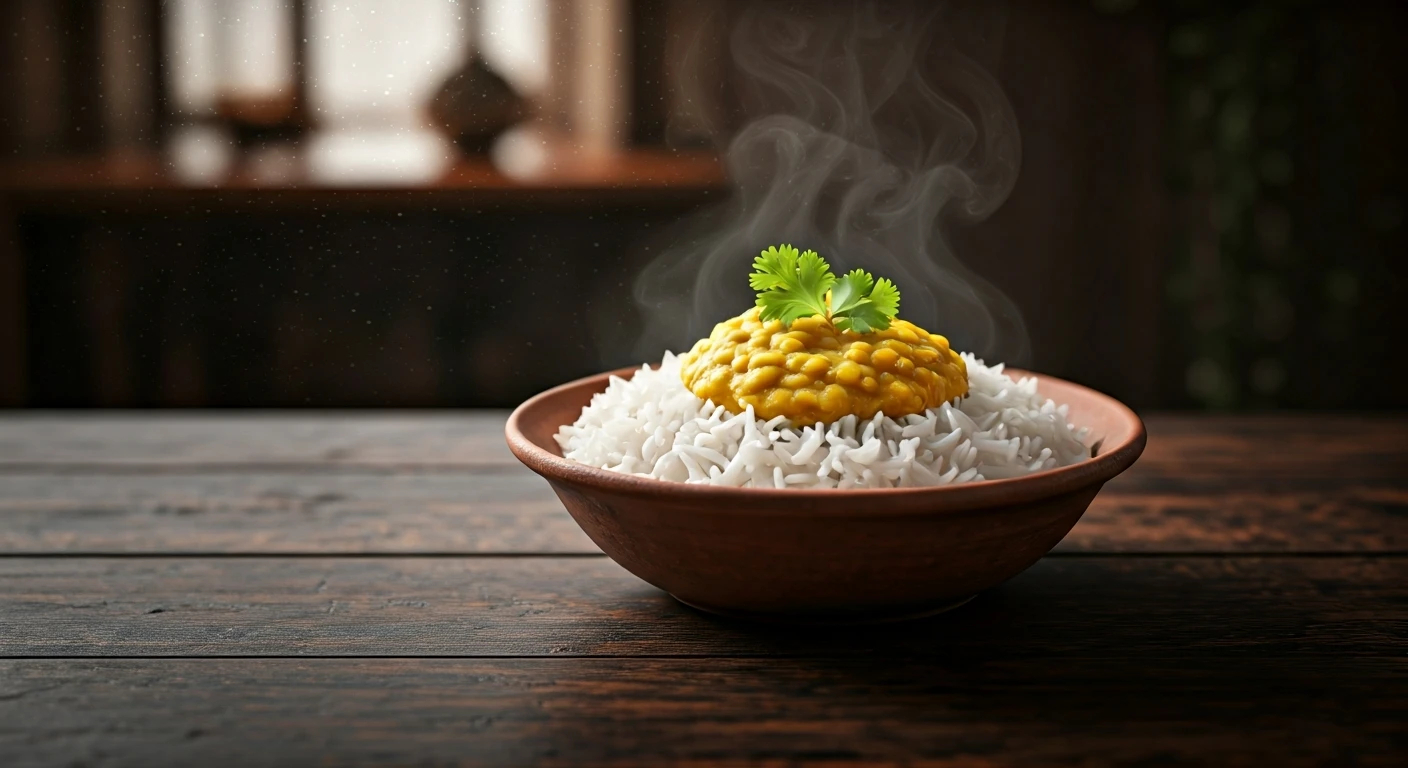
Kairi isn't just a sidekick; it can be the heart of a main course. In many parts of India, chunks of raw mango are tossed into bubbling pots of lentils to make Kairi Dal. As the lentils cook, the mango softens, infusing the entire dish with its unique sourness. It completely transforms a humble, everyday food into something extraordinary and seasonally specific. The tanginess of the mango cuts through the earthiness of the lentils, creating a perfectly balanced flavor profile that requires less reliance on other acidic ingredients like tomatoes or tamarind. It’s a brilliant example of seasonal cooking, where one ingredient can define the character of a meal and signal the time of year.
The Sweet Finisher: Aam Papad
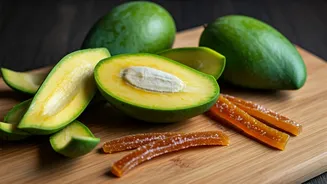
Even the pulp doesn’t go to waste. If there’s any leftover mango pulp from making Panna or other dishes, it’s often used to make Aam Papad, or mango fruit leather. The pulp is sweetened, sometimes spiced, and then spread thinly onto trays to dry in the sun for days. The result is a chewy, sweet-and-sour snack that’s a childhood favorite. This method of dehydration is one of the oldest forms of preservation, turning a perishable fruit into a long-lasting candy. It’s the final act in the kairi’s performance, ensuring that every last bit of its summer essence is captured and enjoyed, leaving virtually nothing behind.