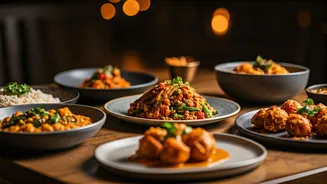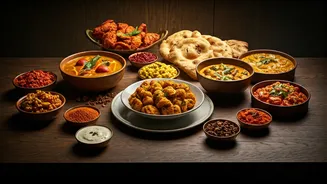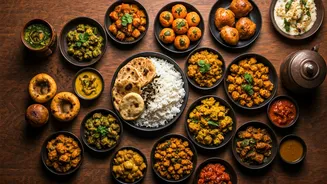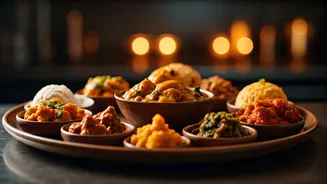



The Flavor of a Fading Memory
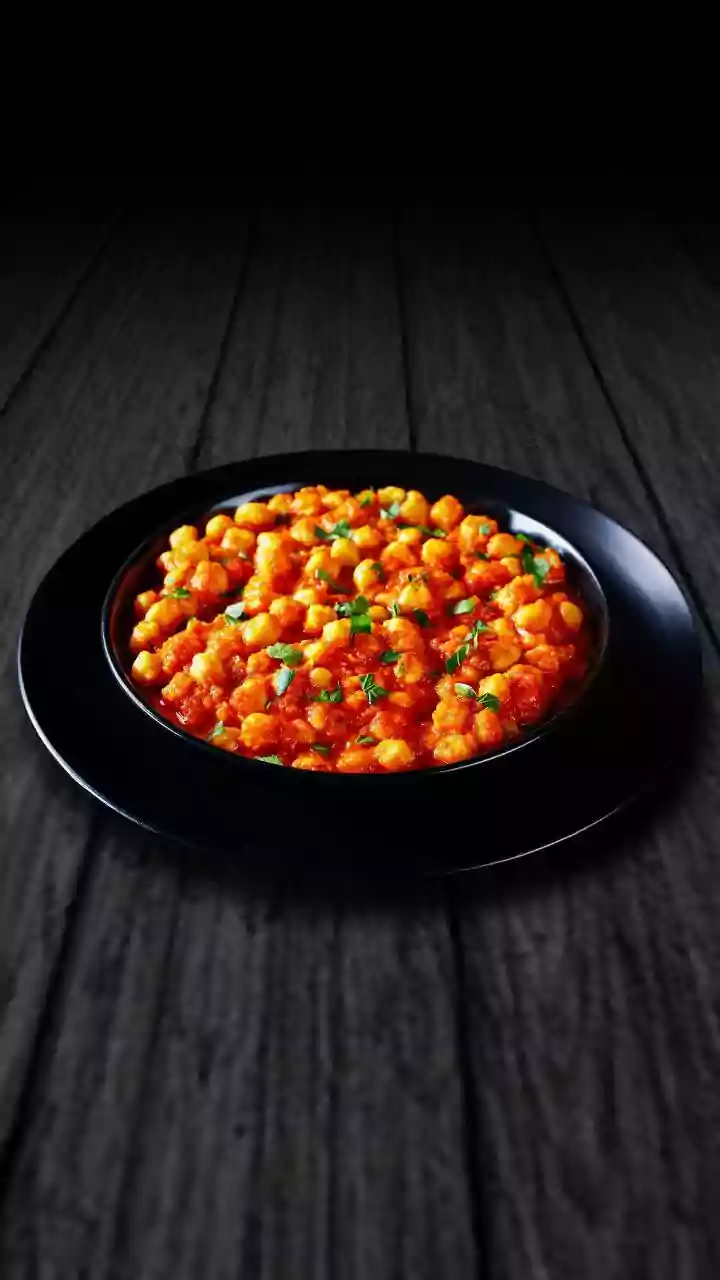
It’s a sensation familiar to millions. The taste of a simple, home-cooked meal that transports you back to a childhood kitchen, a grandmother’s patient hands, or a bustling family gathering during a festival. In India, this isn't just a fleeting feeling;
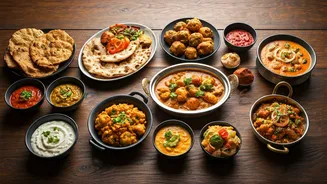
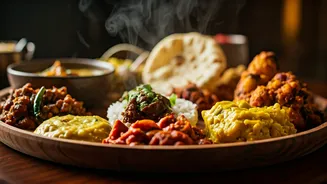
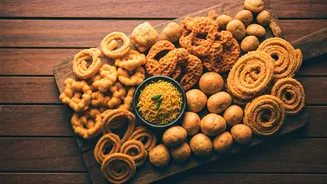
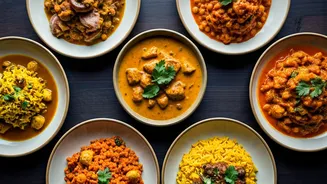
it’s a cultural touchstone. Food is intrinsically linked to identity, family, and a sense of place. The concept of “ghar ka khana,” or home-cooked food, is more than just sustenance. It’s an emotional anchor, a symbol of comfort, love, and authenticity in a world that often feels overwhelmingly complex. This craving for the past isn't just about the food itself. It’s about the context: the lazy summer afternoons spent watching a matriarch prepare intricate pickles, the specific aroma of spices being roasted for a family-secret masala blend, or the comforting warmth of a simple rice and lentil dish served when you were sick. These dishes are edible heirlooms, passed down through generations, carrying with them stories and a sense of continuity. In a rapidly modernizing India, where nuclear families are common and culinary traditions can get lost between generations, the act of eating or cooking a nostalgic meal becomes an act of preservation.
From Home Kitchen to Commercial Success
Entrepreneurs and established brands have been quick to recognize this collective “soft spot.” A burgeoning market has emerged to cater to this deep-seated yearning for authentic, home-style flavors. Startups now offer subscription services for simple, tiffin-style meals that mimic what an office worker’s mother might have packed for them. Artisanal brands are bottling regional pickles, chutneys, and spice mixes using generations-old recipes, marketing them not just on taste but on the promise of “grandma’s magic.” This trend is particularly potent among the Indian diaspora and a generation of urban millennials living far from home. For them, a packet of ready-to-eat rajma-chawal (kidney beans and rice) or a jar of authentic Gongura pickle isn't just a convenience. It’s a lifeline to a home they miss, a quick and accessible way to combat homesickness. These products sell a feeling as much as a flavor, tapping into a powerful emotional market that prioritizes authenticity over novelty. They promise a taste of home, without the hours of labor that traditionally went into creating it.
A Culinary Counter-Revolution
The rise of nostalgic food can also be seen as a quiet rebellion against the relentless wave of globalized food culture. For years, the aspirational dining experience in India’s big cities was defined by international cuisines: Italian pasta, American burgers, or pan-Asian sushi. While those options remain popular, there is a growing counter-movement celebrating regional and hyper-local Indian food—the very dishes that were once considered too simple or “everyday” for a restaurant menu. Chefs and restaurateurs are now earning accolades by championing forgotten recipes and provincial cuisines. Fine-dining establishments are building entire tasting menus around a single region’s culinary heritage, elevating humble dishes with refined techniques while preserving their soulful essence. A simple khichdi (a rice and lentil porridge) might be presented with artisanal ghee and gourmet accompaniments, allowing diners to reconnect with a foundational comfort food in a sophisticated setting. It’s a validation of a culinary identity that was always there but was perhaps overshadowed by flashier, foreign imports.
More Than Just Comfort Food
Ultimately, the power of nostalgic food in India lies in its ability to do more than just comfort. It connects people to their past, to their families, and to a shared cultural identity. In an era of immense social and economic change, these familiar flavors provide a sense of stability and belonging. They remind people of who they are and where they come from. Whether it’s a college student in a different city warming up a pre-packaged meal that tastes like home, or a family in a high-end restaurant marveling at a refined version of a dish they grew up with, the principle is the same. The food serves as a conduit for emotion, a tangible link to an intangible past. It proves that sometimes, the most profound experiences aren’t found in a new, exotic flavor, but in the simple, perfect taste of a memory.