



They Offer a Cool, Dry Refuge
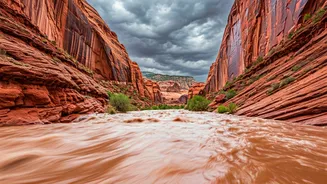
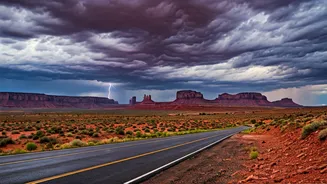
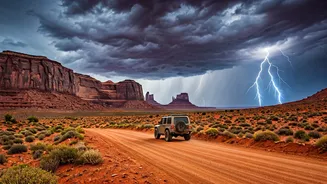
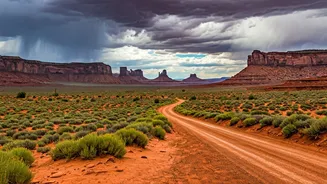
Let’s get the obvious out of the way: museums have roofs. When a formidable monsoon storm rolls in, bringing flash floods and lightning, the most practical benefit of a museum is its climate-controlled interior. But it’s more than just shelter. The sudden,
intense humidity and heat that often precede a desert downpour can be draining. Stepping into the cool, quiet halls of a museum isn't just an escape; it’s a physical reset. It transforms a weather-forced interruption into a welcome, comfortable pause. Instead of huddling in a hotel room watching the rain, you can be surrounded by world-class art or history. In places like Phoenix or Tucson, where summer heat is already a major factor, the cool air of a museum like the Phoenix Art Museum is a luxury in itself, providing a sanctuary where you can recharge before the sun comes back out.
They Deepen Your Understanding of the Landscape
The monsoon isn't just random bad weather; it's a vital, defining feature of the Southwestern ecosystem. Instead of just hiding from it, you can go somewhere to understand it. This is where museums truly shine. Natural history museums and desert botanical gardens with indoor exhibits offer context that enriches your entire trip. The Arizona-Sonora Desert Museum near Tucson, for example, has indoor galleries that explain the geology, flora, and fauna of the very landscape being pummeled by rain outside. You learn *why* the desert plants are adapted to this boom-and-bust water cycle. You see exhibits on the animals that thrive in these conditions. When the storm passes and you head back out, the creosote-scented air and the transformed landscape suddenly have a deeper meaning. The museum visit turns you from a passive observer of the weather into an informed admirer of the region's resilience.
They Showcase Art Inspired by Water and Sky
Artists in the Southwest have long been captivated by its dramatic light and sprawling vistas. The turbulent, cloud-filled skies of monsoon season are a powerful source of inspiration. Art museums in the region become a perfect complement to the weather. At the New Mexico Museum of Art in Santa Fe, you can see how generations of artists, from the Taos Society of Artists to modern painters, have interpreted the desert sky. You might find yourself looking at a Georgia O'Keeffe painting of a brooding cloud formation while a real one rumbles outside your window. This creates a powerful connection between the art on the walls and the world outside, turning a simple museum visit into an immersive experience. It’s a chance to see how others have found beauty in the very storm that sent you scrambling for cover.
They Connect You to Centuries of Human History
Long before air conditioning, people built civilizations in the arid Southwest, engineering their lives around the seasonal rains. Museums of history and anthropology provide a fascinating look at this human story. The Heard Museum in Phoenix, dedicated to American Indian art and history, offers profound insights into how Indigenous cultures have thrived in this environment for millennia. Exhibits often explore traditional farming techniques, water management, and the cultural significance of rain. Similarly, museums detailing the Spanish colonial or Old West eras reveal how settlers adapted to the harsh, unpredictable climate. By exploring these histories, you gain a new respect for the ingenuity required to live in the desert. The monsoon ceases to be an inconvenience and becomes a link to a long and complex human story of survival and adaptation.
They Provide Hands-On Fun When Trails Are Closed
Traveling with family? A rained-out hike can feel like a vacation disaster. But science centers and children's museums are built for exactly this scenario. They offer an outlet for cooped-up energy while secretly continuing the educational journey. Places like Explora in Albuquerque or the Children's Museum Tucson are packed with interactive exhibits that engage kids (and adults) on everything from physics to biology. These institutions are designed to be a destination in their own right, not just a rainy-day backup. They provide a guaranteed few hours of fun, learning, and activity, ensuring that a day of bad weather doesn't mean a day of boredom. It's a strategic move that saves the day and makes you look like a planning genius.