


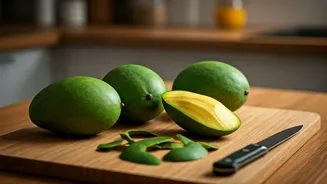
Meet Kairi, Summer’s Secret Weapon
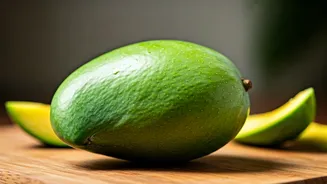
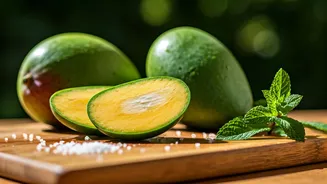
Across India, the arrival of blistering summer heat coincides with the arrival of *kairi*—the raw, unripe green mango. Long before the sweet, golden fruit appears, this firm, mouth-wateringly sour precursor becomes the star of the kitchen. While Americans
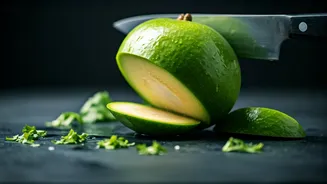
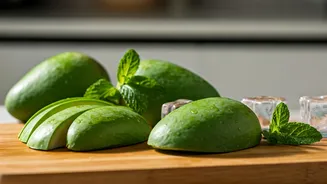
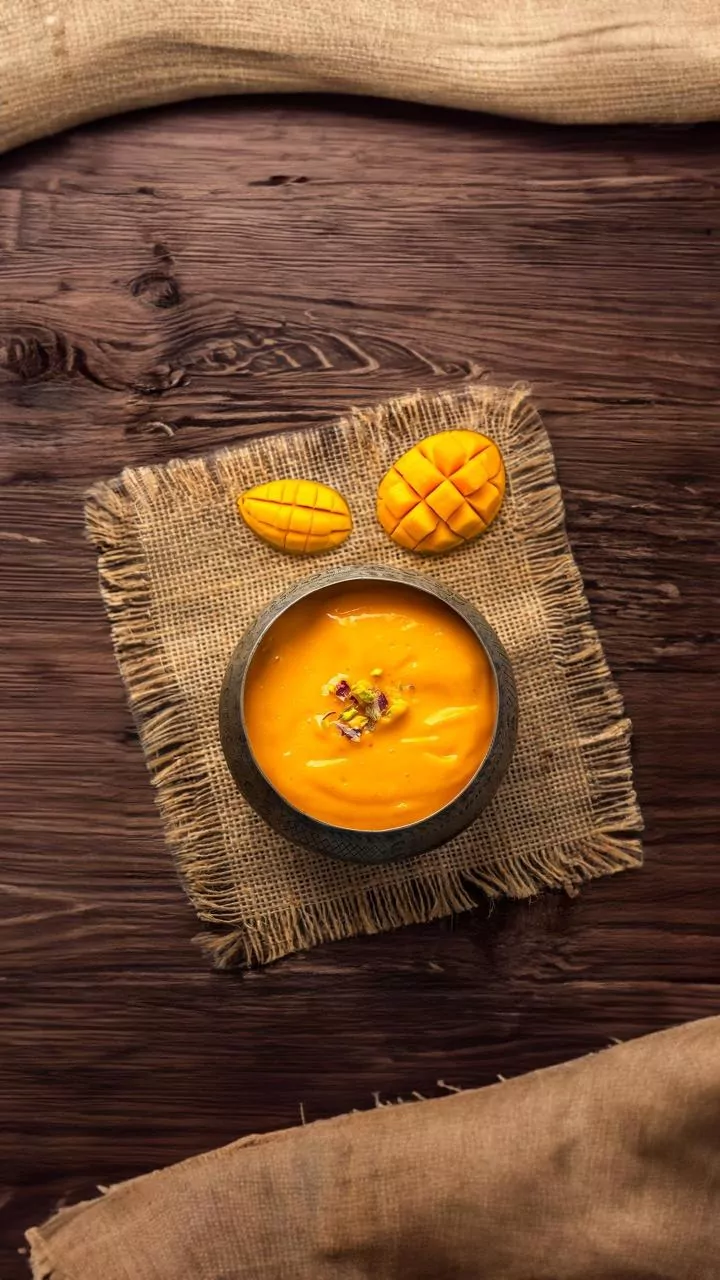
associate mangoes with sweet, tropical smoothies, kairi is a different beast entirely. It’s not a fruit you peel and eat on its own; it’s a culinary ingredient, used more like a lemon or a tart apple, but with a flavor profile that puts both to shame. In its native land, kairi is the antidote to sweltering afternoons. It’s blended into the refreshing, spiced drink *aam panna*, pickled into countless varieties of *achar*, and grated into lentil dishes and salads to add a bright, acidic jolt. This isn't just about flavor; it's about function. The sourness is seen as cooling and revitalizing, a way to cut through the lethargy of a hot day. It’s a burst of pure, unadulterated energy on a plate, and it’s precisely what our own summer cooking has been missing.
Why It’s Better Than Lemon or Vinegar
We already have our go-to acids. A squeeze of lime over grilled corn, a splash of apple cider vinegar in a potato salad. So why bother with a new ingredient? Because kairi offers a more complex, satisfying sourness. Lemon and lime are sharp, one-note acids that can sometimes taste metallic or overly astringent. Vinegar brings its own fermented funk, which is wonderful in context but not always what you want. Kairi, on the other hand, delivers a clean, fruity tartness with an underlying starchy body. When grated, it has a satisfying crunch that holds up in slaws and salads, unlike a soft fruit that would turn to mush. Its sourness is bright but also deep, with a fragrant, almost floral aroma that hints at the ripe mango it would one day become. Think of it as the difference between a simple hot sauce and a complex salsa; one brings heat, the other brings heat, texture, sweetness, and acidity all at once. Kairi doesn't just add tang; it adds substance and dimension.
How to Bring Kairi to Your BBQ
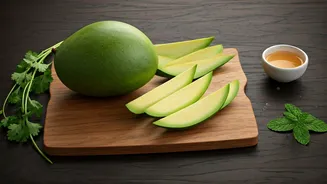
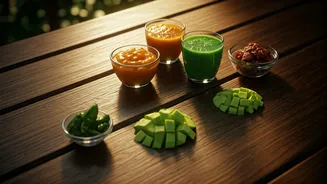
Integrating this ingredient into the American summer repertoire is surprisingly intuitive. You don't need to master complex Indian recipes to get the benefit. Start simple. The easiest entry point is a slaw. Instead of or in addition to cabbage, grate a firm green mango and toss it with shredded carrots, red onion, cilantro, and a light dressing of lime juice, a pinch of sugar, and salt. It’s a game-changer next to pulled pork or fried chicken. Ready for more? Finely dice it and fold it into a black bean and corn salsa for an incredible topping for grilled fish tacos. Blend it with cilantro, mint, jalapeño, and a little water for a vibrant chutney that can double as a marinade for chicken or paneer. You can even create a simple syrup by boiling grated kairi with sugar and water, then use it to make the most incredible tart sodas, cocktails, or iced teas. It elevates familiar dishes by replacing a simple acid with a complex one.
Finding Your New Favorite Ingredient
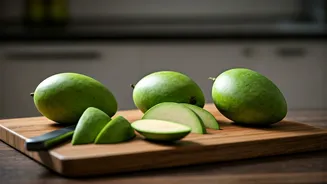
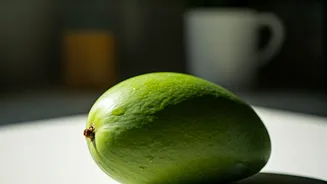
The biggest hurdle for most Americans will be sourcing. You won't find kairi in the mango section of your average supermarket. Your best bet is to visit an Indian, Southeast Asian, or Latin American grocery store, where green, unripe mangoes are a common staple, especially from spring through summer. Look for fruit that is rock-hard to the touch, with smooth, unblemished green skin. It shouldn't have any give, and it definitely shouldn't have the sweet fragrance of a ripe mango. If you can't find one, a very tart Granny Smith apple can provide a similar crunch and sourness, though it lacks the unique tropical fragrance. But it's worth the hunt. Seeking out kairi isn't just about trying a new ingredient; it's about embracing a more dynamic and exciting way to think about a flavor profile we already adore.