

Beyond the Snowy Slopes
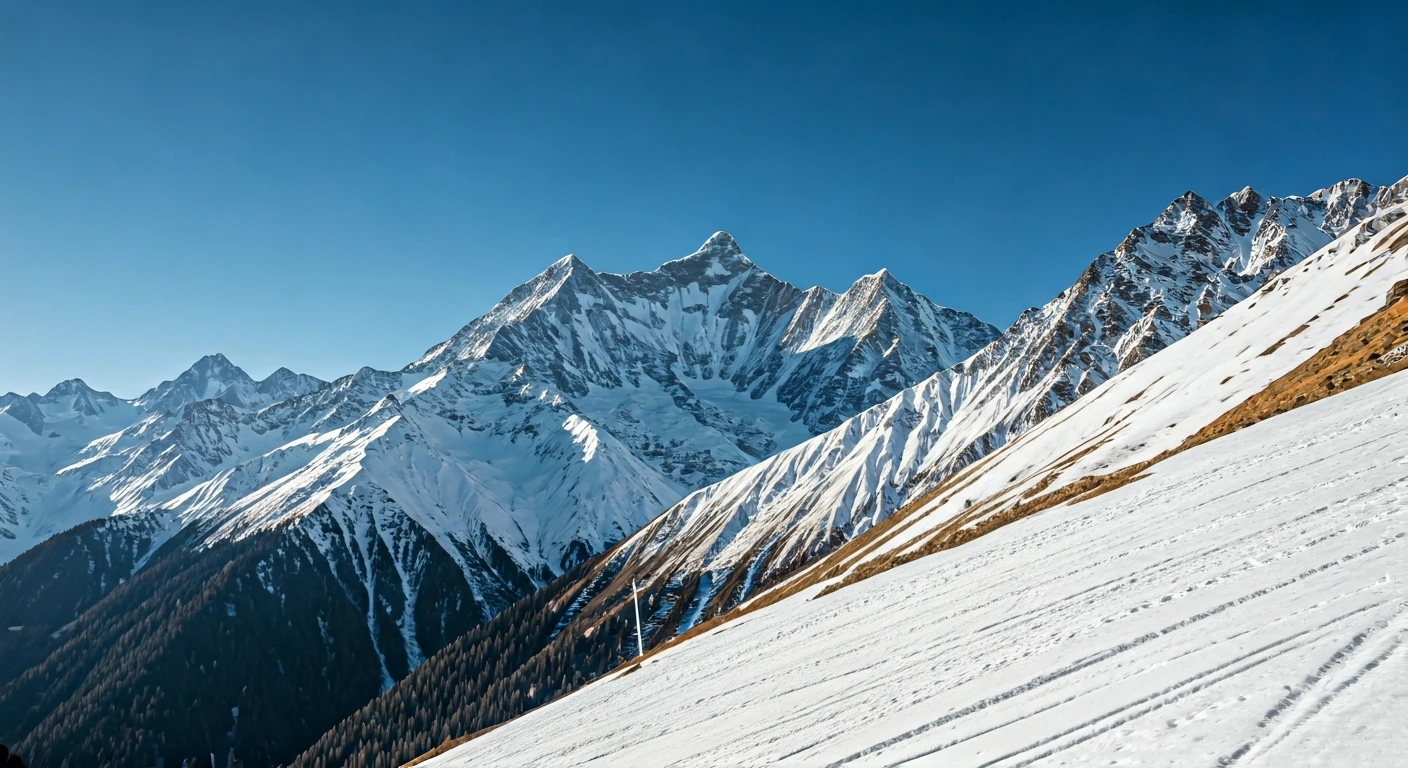
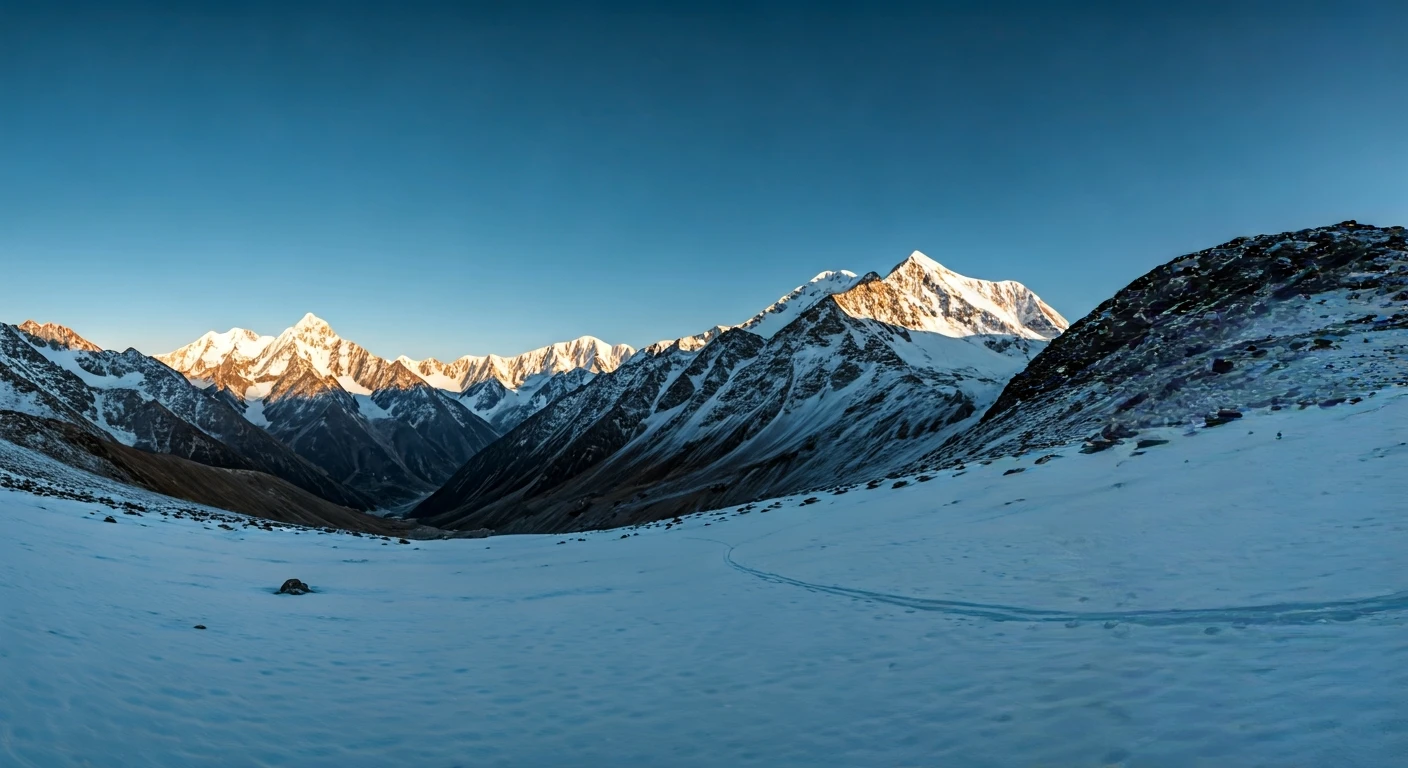
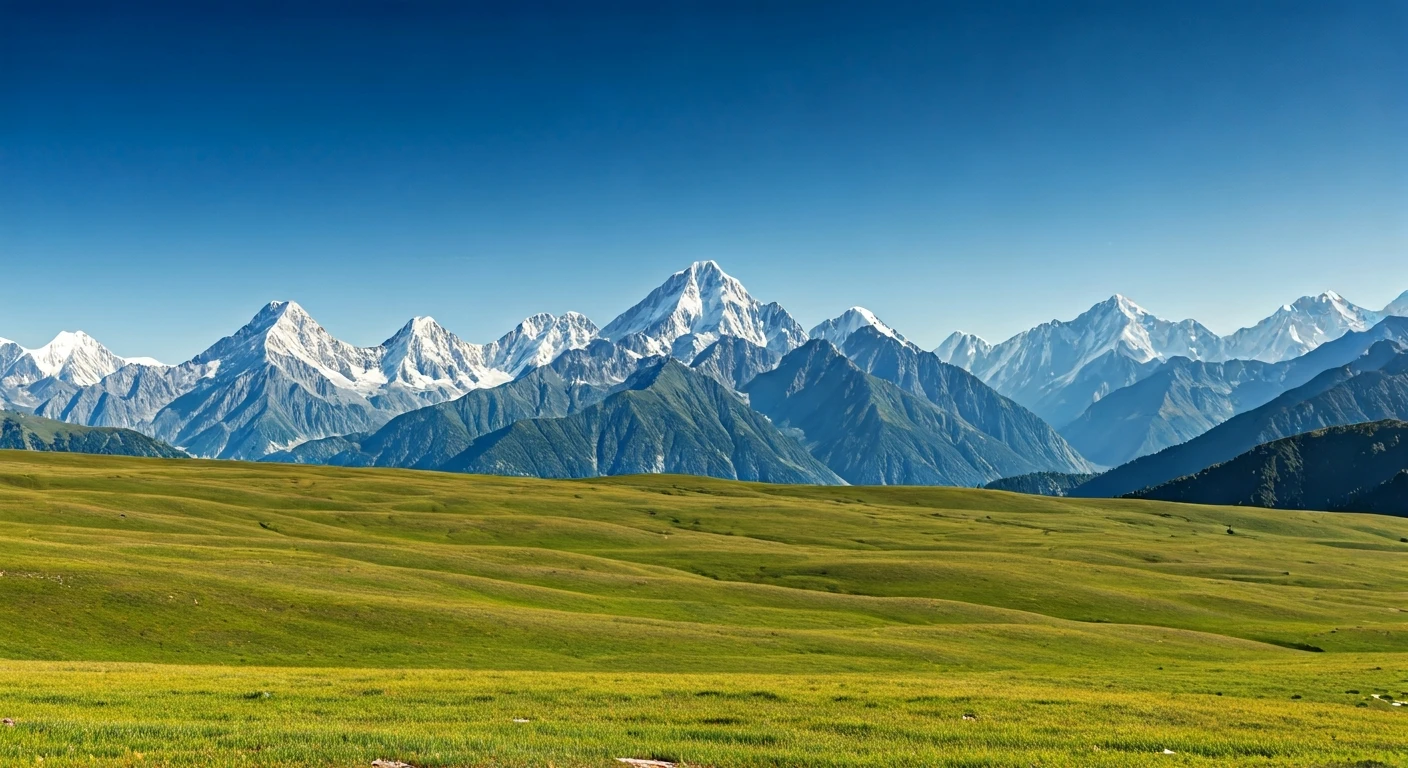
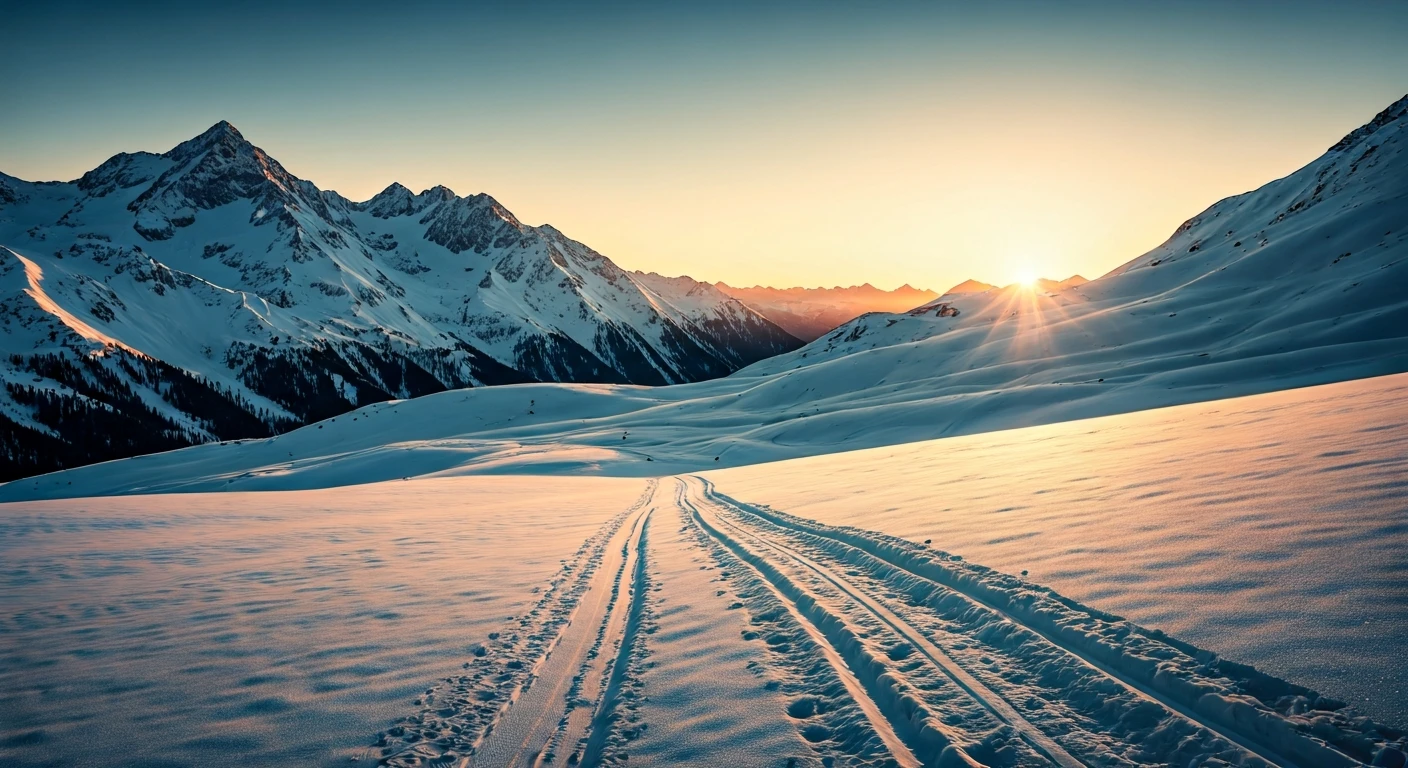
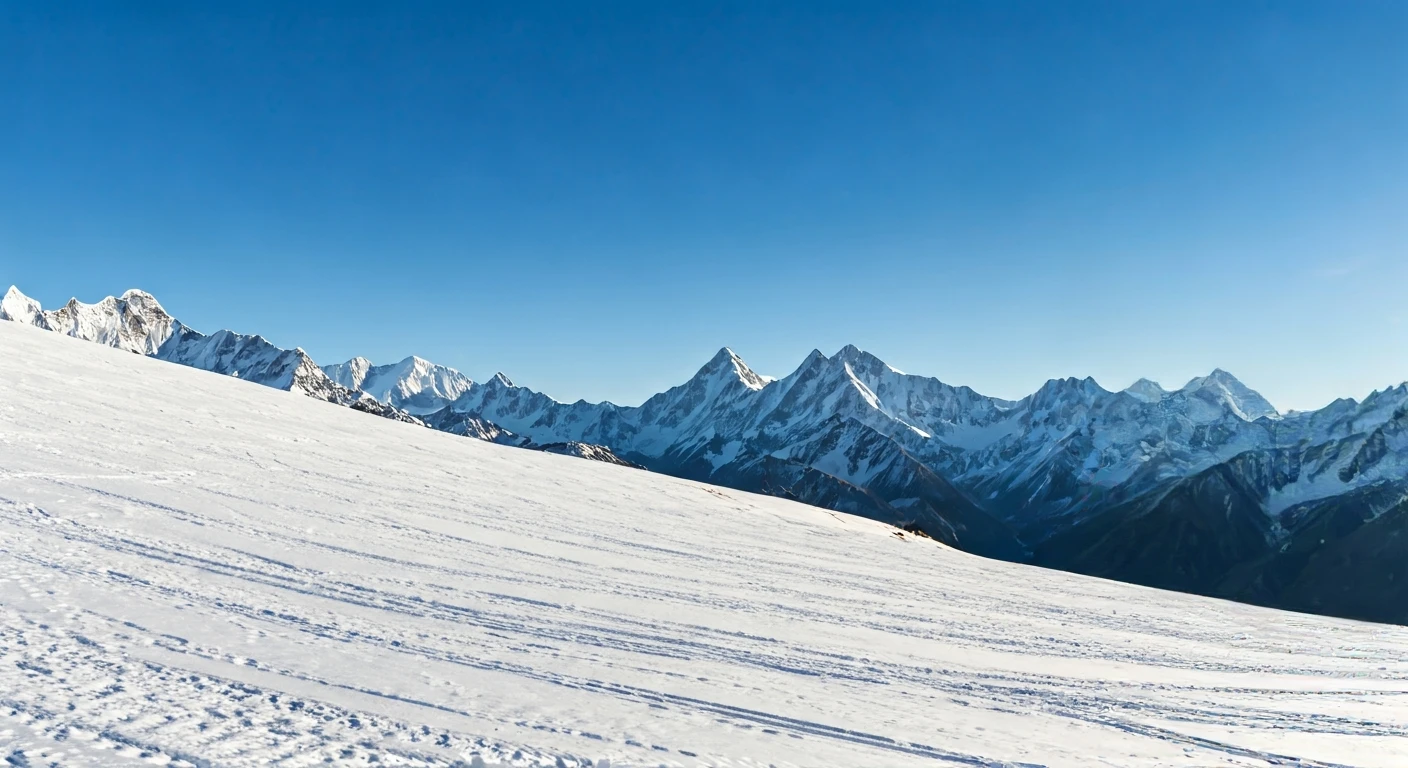
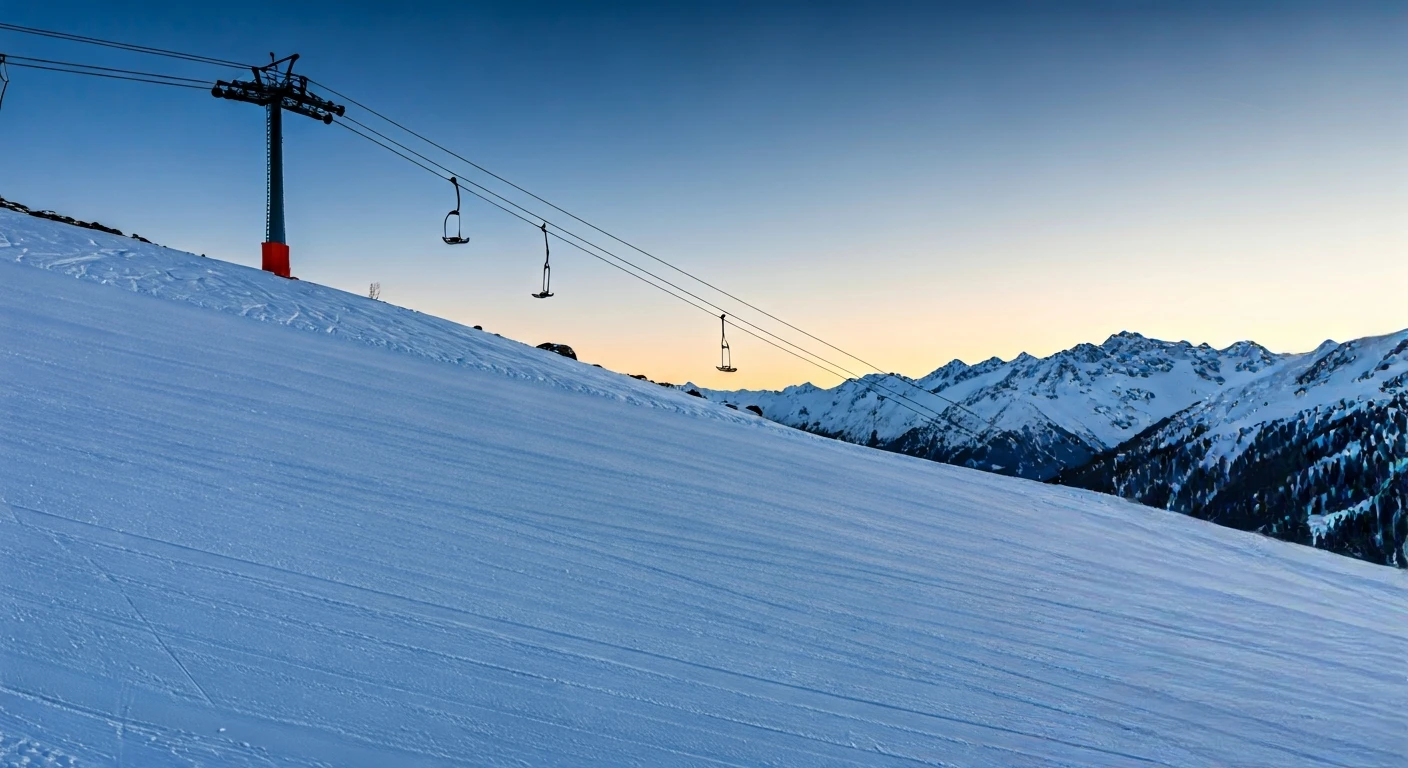
For years, Auli’s reputation was tethered to a single season. Perched at over 8,000 feet in the Garhwal Himalayas of Uttarakhand, it was primarily marketed as India’s premier ski destination. With its pristine powder, state-of-the-art ski lift, and panoramic
views of majestic peaks like Nanda Devi—India's second-highest mountain—it drew a dedicated crowd of winter sports enthusiasts every year. But this singular focus meant that for many, Auli disappeared from the travel map as soon as the snow melted. Now, a different, greener, and perhaps more profound version of Auli is capturing the imagination of travelers, shifting its identity from a winter playground to a year-round paradise.
Discovering the 'Bugyals'
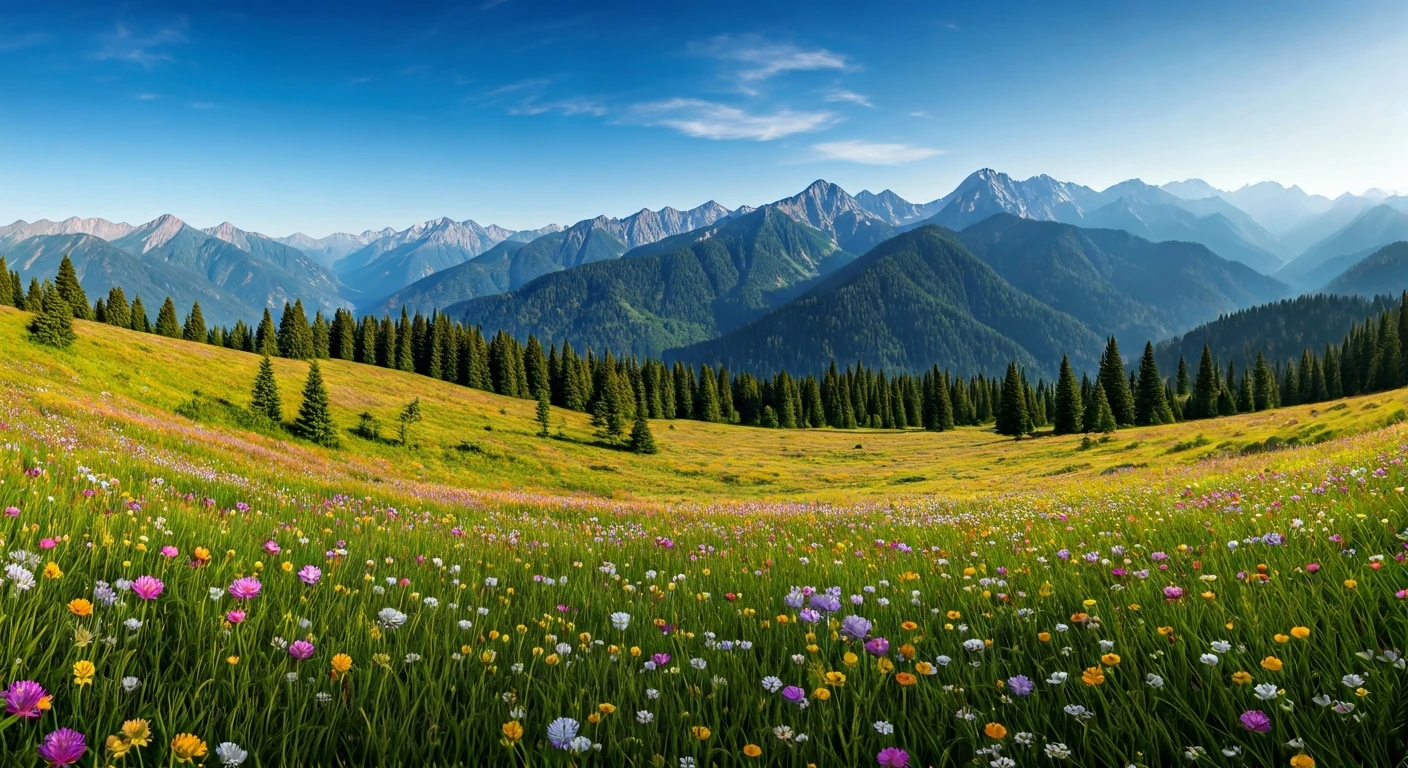
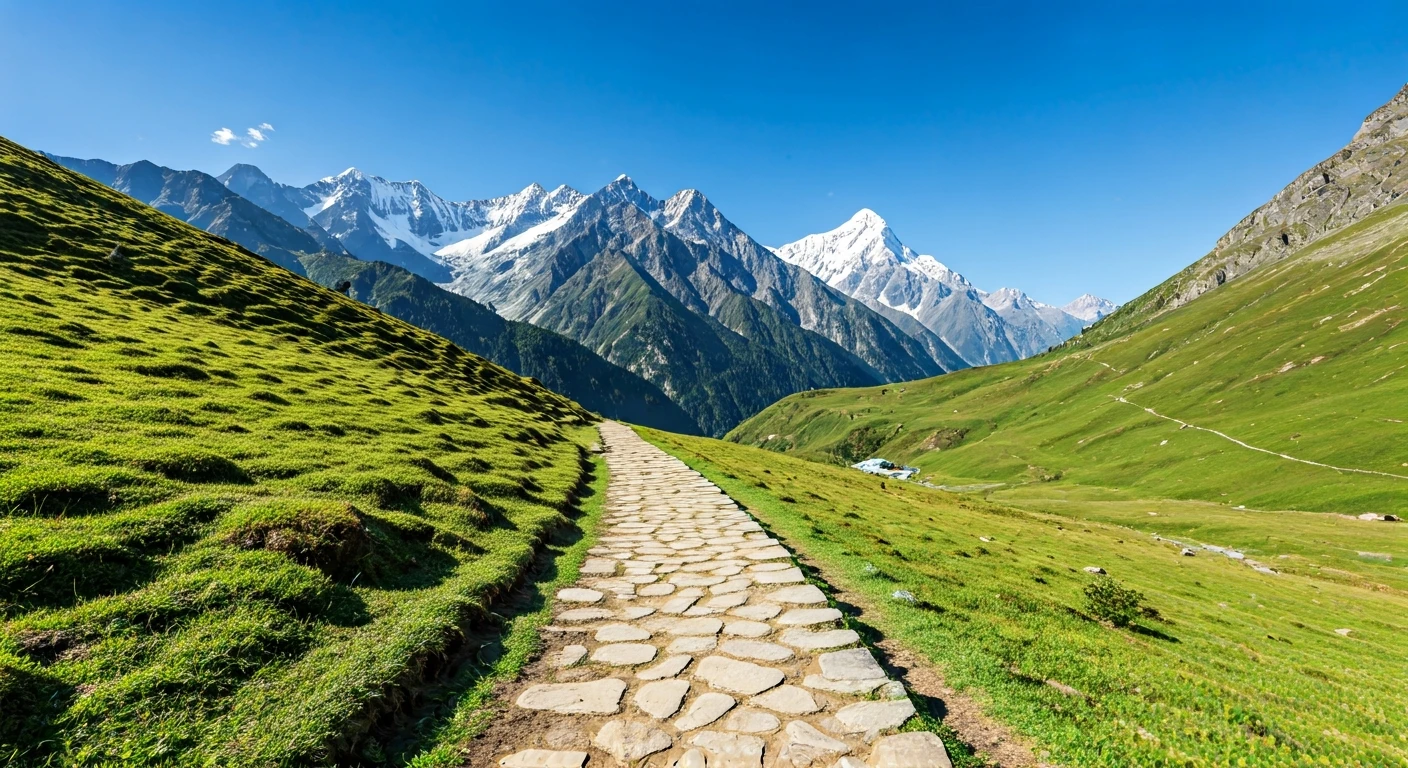
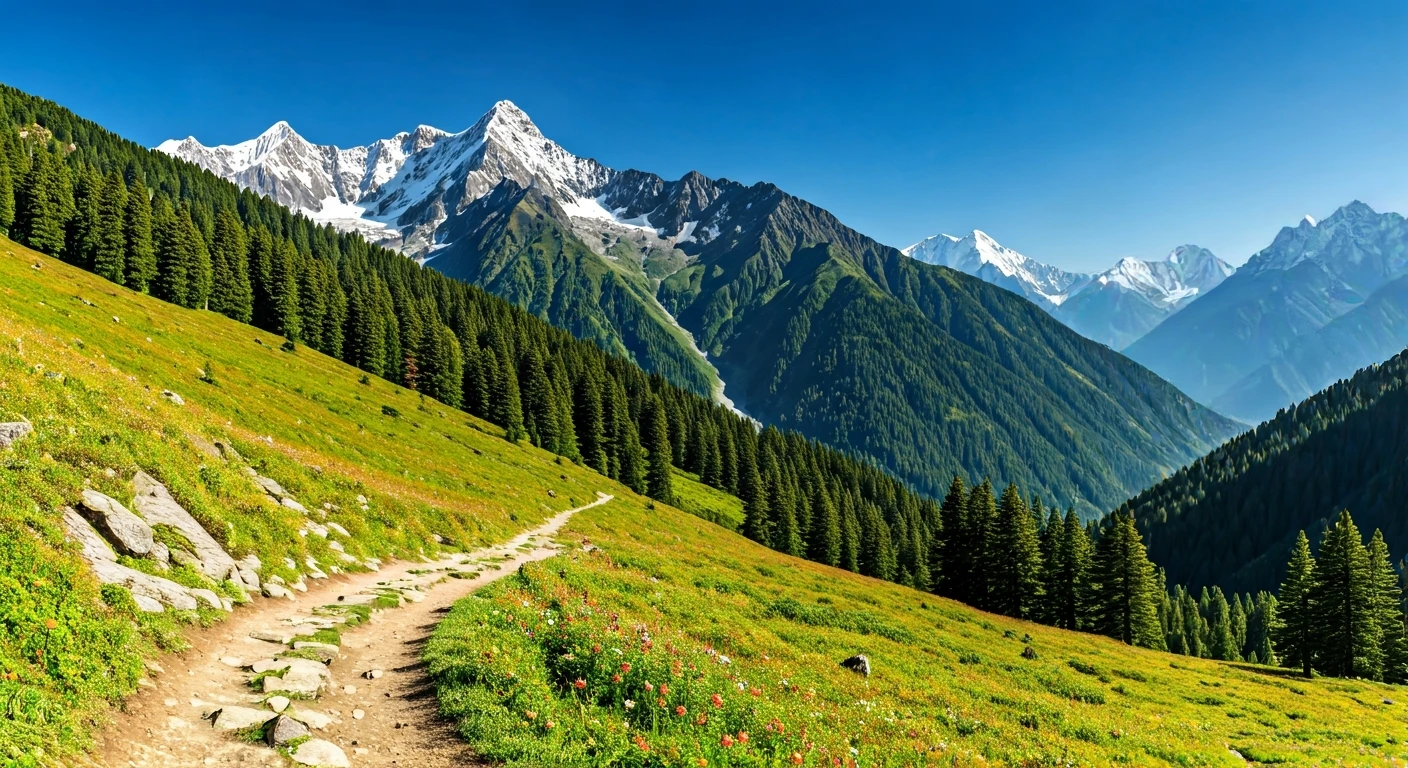
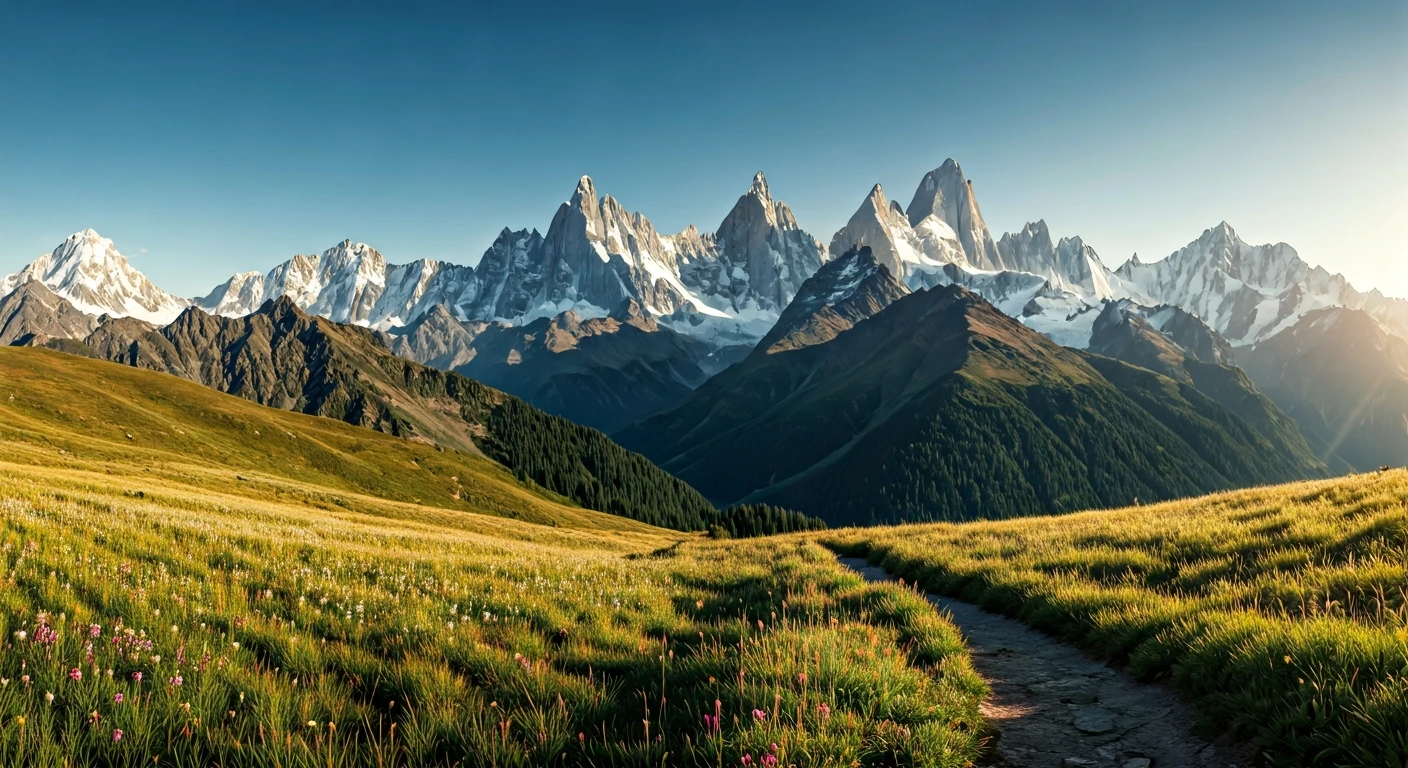
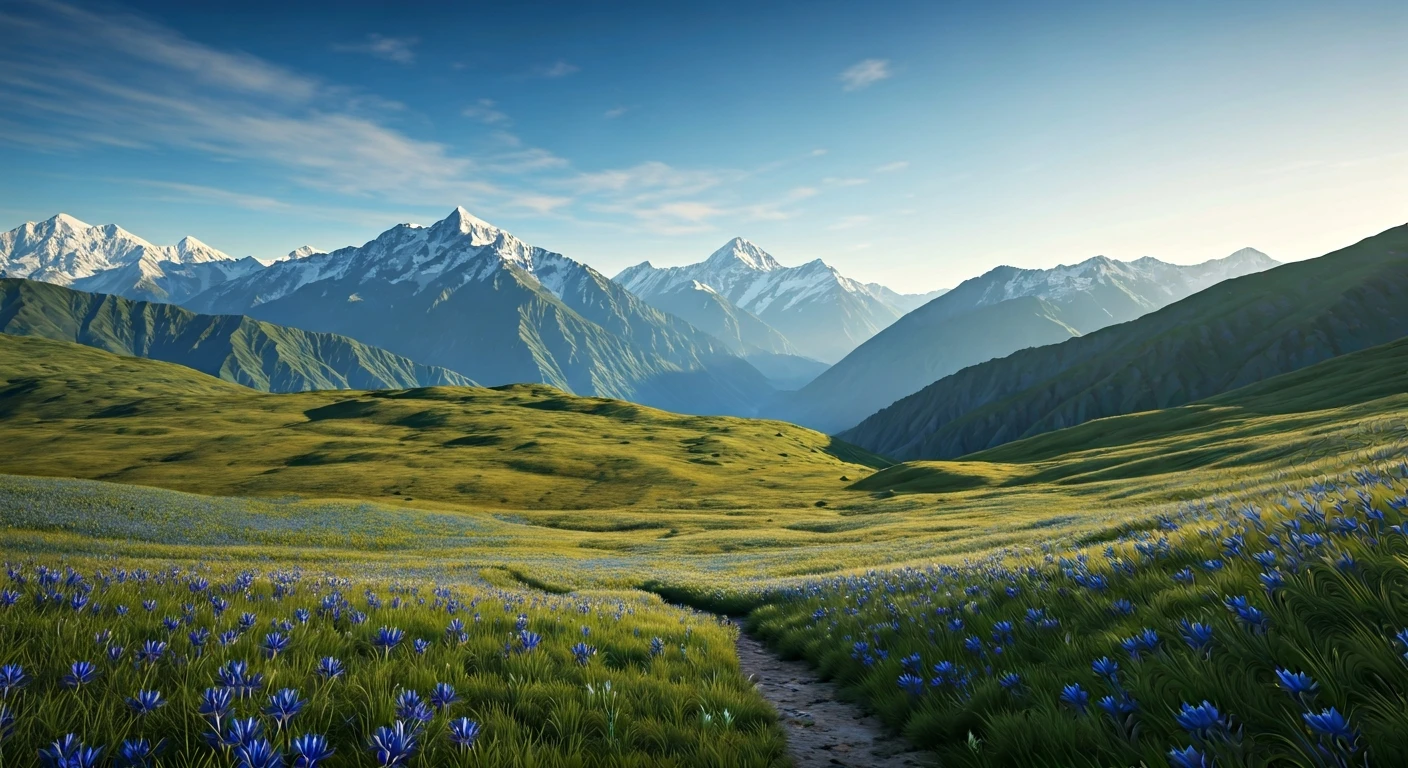
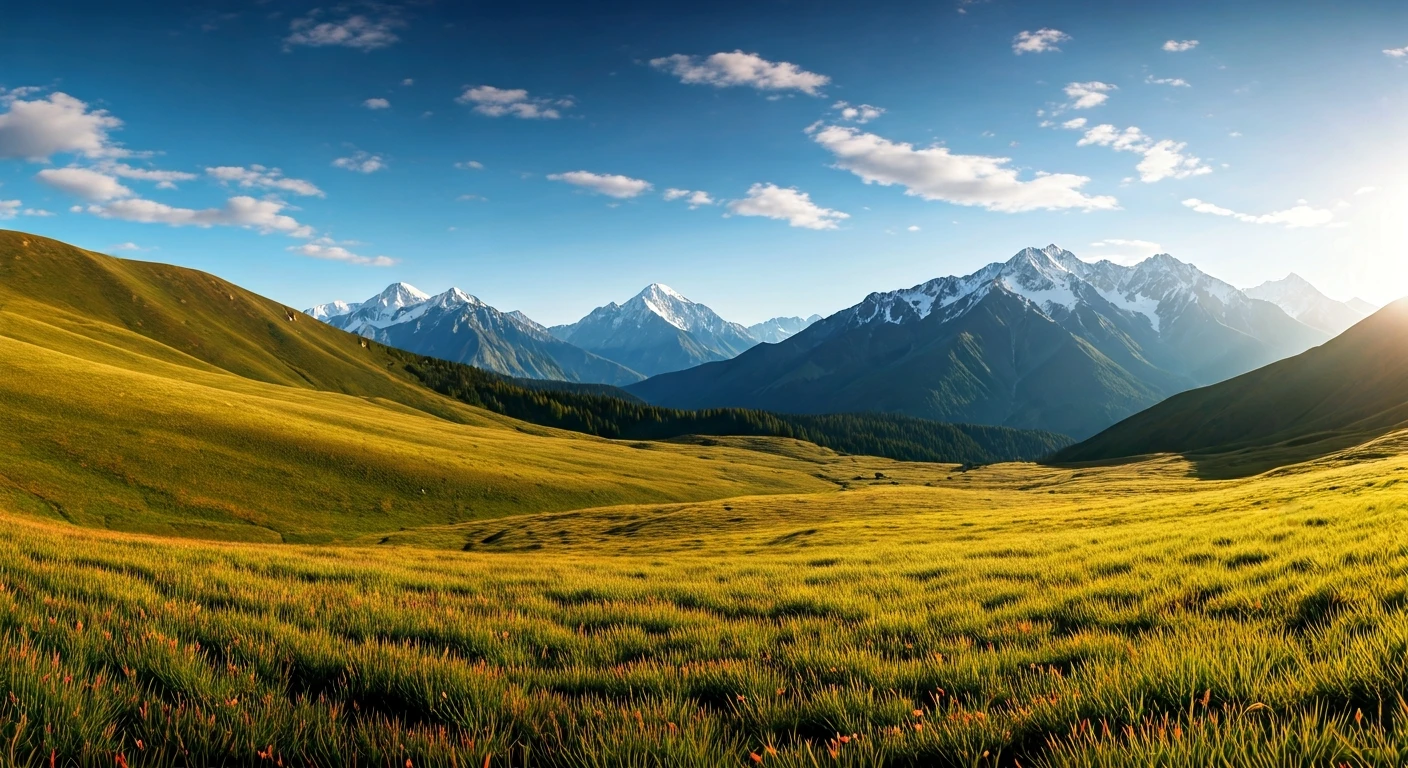
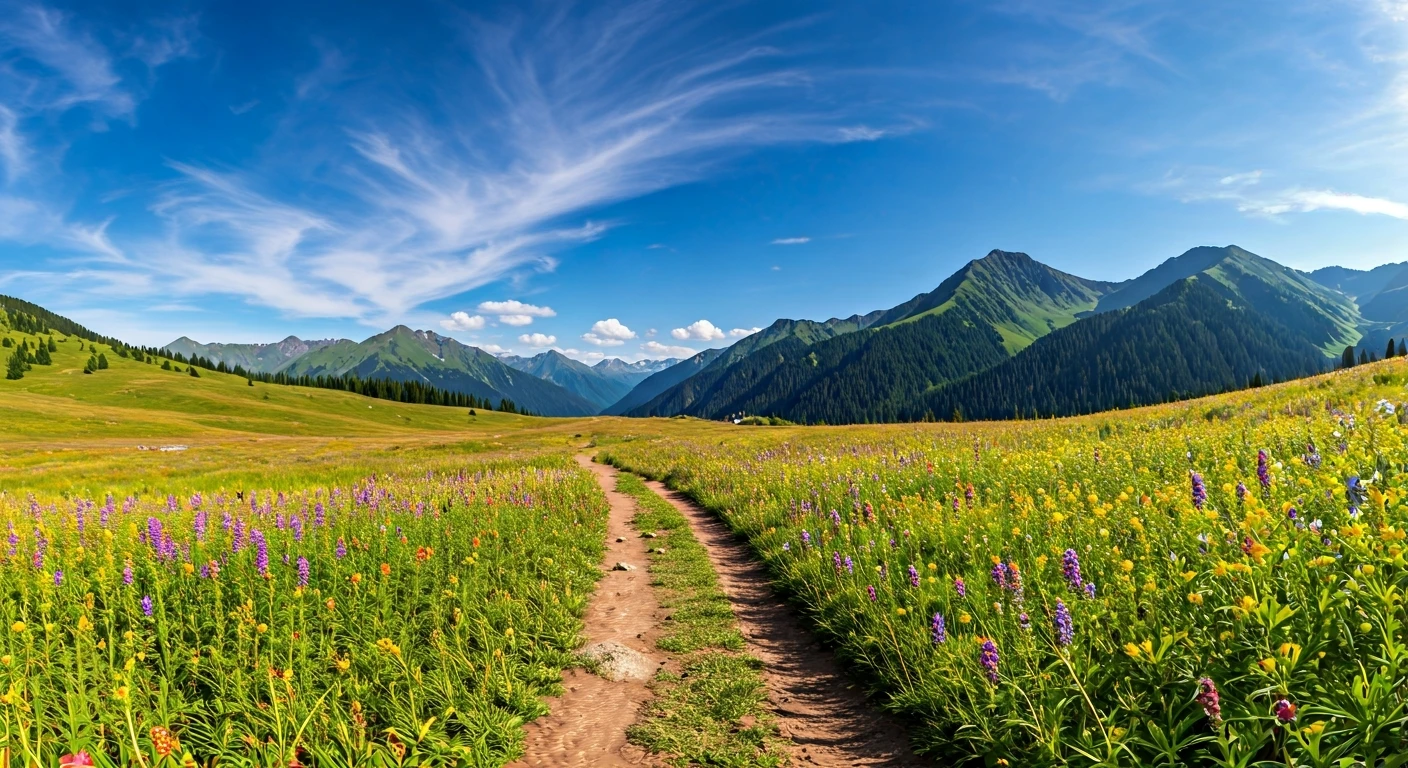
The secret to Auli’s renaissance lies in its “Bugyals”—a local term for the vast, rolling high-altitude alpine meadows that carpet the region. Blanketed in snow during winter, these landscapes undergo a dramatic transformation from June to September. As the monsoon rains breathe life into the hills, the meadows erupt in a riot of color, with hundreds of species of wildflowers blooming across lush green pastures. The most famous of these is Gorson Bugyal, a stunning 2-mile trek from Auli. Walking through Gorson feels like stepping into a painting. The air is crisp, the ground is a soft carpet of green, and the 360-degree views of the Himalayan range are uninterrupted and utterly awe-inspiring. It’s a sensory experience that stands in stark contrast to the adrenaline-fueled rush of skiing.
A Quiet, Sustainable Shift
Auli’s pivot wasn’t just a marketing choice; it was born of necessity. The very popularity of its ski scene began to threaten the fragile alpine ecosystem. In 2019, a high court ruling restricted new commercial construction and capped tourist numbers for winter events to protect the delicate slopes from degradation. This forced a local re-evaluation, pushing tourism stakeholders to highlight what was already there but often overlooked: the natural, unspoiled beauty of the summer and monsoon seasons. This shift toward low-impact, sustainable tourism based on trekking and nature appreciation has proven to be a resounding success. It attracts a different kind of traveler—one seeking quiet immersion, stunning photography, and a connection to nature that doesn't require a lift ticket.
What to Expect on the Trail
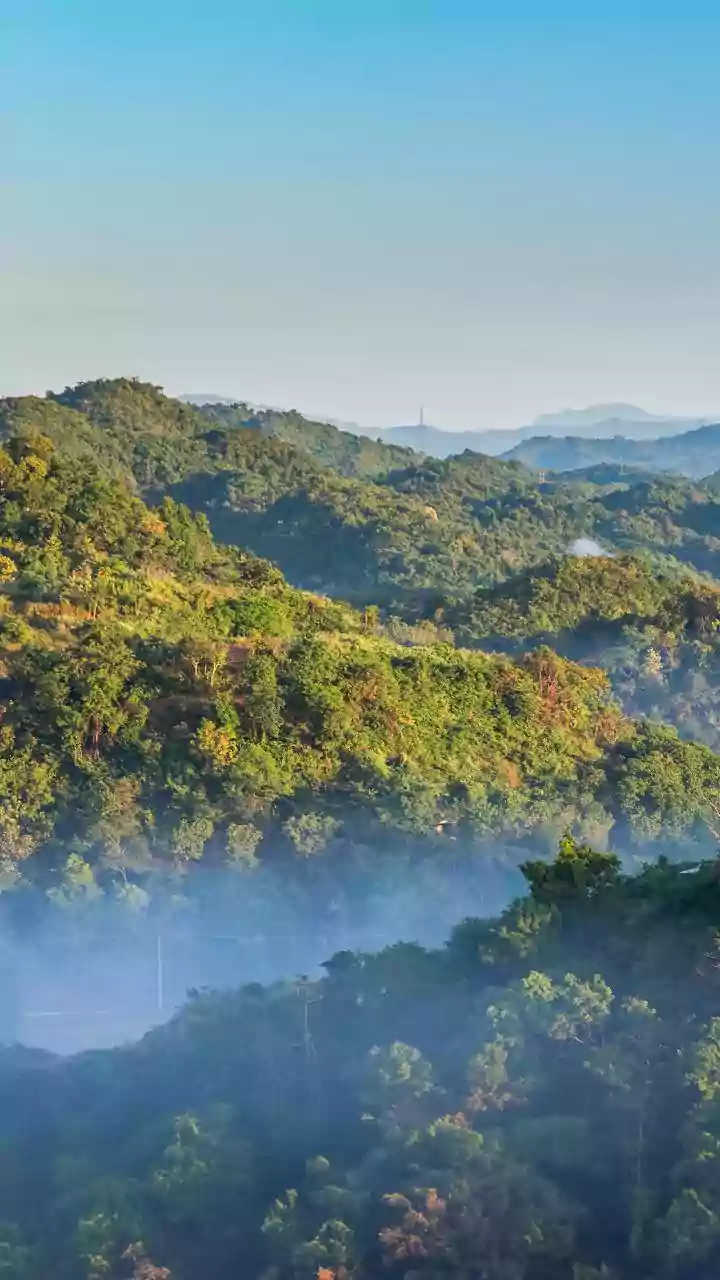
For Americans looking for an accessible yet exotic adventure, Auli’s meadow trails are an ideal entry point into Himalayan trekking. The trek to Gorson Bugyal is relatively easy and can be completed in a few hours, making it perfect for families and casual hikers. The path winds through dense oak and conifer forests before opening up to the breathtaking expanse of the meadow. For the more ambitious, the trail continues to Kuari Pass, a more challenging multi-day trek famed for its views. The best time to experience the meadows is from June to September. While this is India’s monsoon season, the region experiences more of a gentle, misty rain that keeps the landscape perpetually fresh and vibrant. Travelers should come prepared for changing weather, but the reward is a landscape teeming with life, far from the crowds of peak tourist seasons elsewhere.
The Land of the Gods
Auli's appeal isn't just scenic; it's also deeply cultural. The region of Uttarakhand is known as “Devbhoomi,” or the “Land of the Gods,” and is a major Hindu pilgrimage center. Auli is a short drive from Joshimath, an ancient town that serves as the gateway to Badrinath Temple, one of the most sacred sites in Hinduism. This spiritual context adds a powerful layer to the travel experience. A trip to Auli isn't just about bagging a peak or getting a great photo; it's about visiting a land steeped in millennia of faith and mythology, where the line between the natural and the divine feels beautifully blurred.