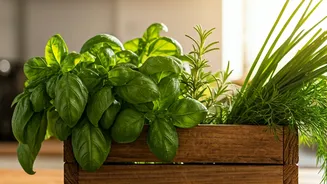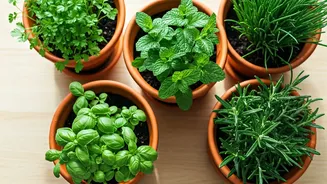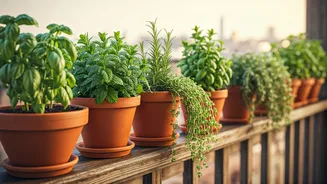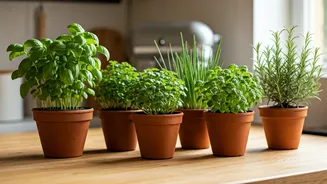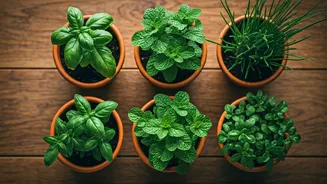




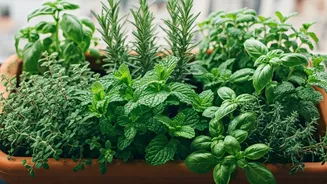
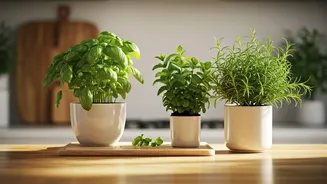
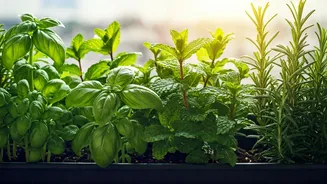


1. Mint: The Unkillable Confidence Booster
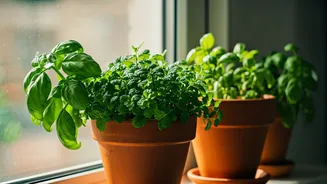
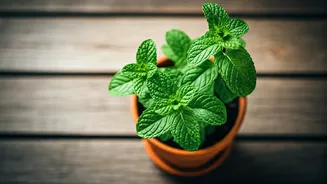
If you’ve ever felt personally victimized by a calathea, start with mint. This herb isn’t just easy to grow; it’s aggressively enthusiastic. In fact, the main challenge with mint is often containing it, which makes it a perfect candidate for a solo pot
where its ambitions can’t strangle your other plants. It’s the botanical equivalent of a golden retriever: forgiving, eager to please, and always bouncing back. Forget to water it? It’ll wilt dramatically, then perk right back up once you remember. Give it too much sun or not enough? It will probably be fine. In return for this minimal effort, you get an endless supply of leaves for mojitos, iced tea, fruit salads, or just a refreshing glass of water. Every snip feels like a victory, replacing the silent judgment of a dying ornamental with the fresh scent of success.
2. Chives: The Reliable Kitchen Companion
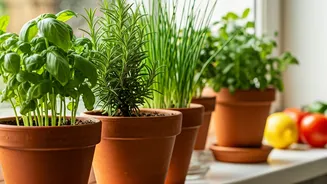
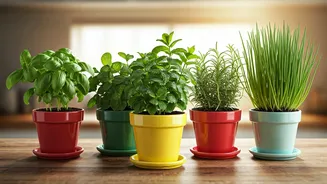
Chives are the dependable, low-drama friend of the herb world. They require so little that they almost feel like a cheat code for gardening. A member of the onion family, they offer a delicate, fresh, oniony-garlicky kick that elevates everything from scrambled eggs to baked potatoes. You don’t harvest the whole plant; you just give it a haircut with a pair of scissors, and it keeps on growing. This 'cut-and-come-again' nature makes it incredibly rewarding. Kept on a sunny windowsill, a pot of chives will provide flavor for months. Unlike a finicky orchid that demands perfect humidity and blooms once a year if you’re lucky, chives are a workhorse. They ask for nothing but a little light and water and repay you with constant, usable produce. They’re not flashy, but their quiet reliability is exactly what a guilt-ridden plant owner needs.
3. Basil: The Scent of Summer Success
Yes, basil can be a little more demanding than mint, but the reward is exponentially greater. Basil is the gateway to feeling like a real chef. While it can be dramatic—it loves sun and hates being thirsty—its needs are straightforward. Give it a bright, warm spot and consistent water, and it will reward you with lush, fragrant leaves that basically scream, “Make some pesto!” The joy of plucking fresh basil leaves to toss onto a pizza or into a caprese salad far outweighs the sadness of watching a purely decorative plant fade away. Why? Because you’re not just a caretaker; you’re a collaborator. You’re helping the basil live its best life so it can help your pasta do the same. Even if it eventually bolts or gives up at the end of the season, you’ll have enjoyed weeks of fresh, vibrant flavor. No guilt, just marinara.
4. Parsley: The Unsung Workhorse
Often dismissed as a frilly, tasteless garnish from a 1980s steakhouse, homegrown parsley is a different beast entirely. Whether you choose the flat-leaf Italian variety (better for cooking) or the curly kind (still great!), parsley is a surprisingly resilient and productive plant. It’s packed with a fresh, green flavor that brightens up sauces, salads, and marinades. It acts as a flavor-balancer, making everything else in the dish taste more like itself. Parsley is biennial, meaning it will grow for two seasons, but it’s most flavorful in its first year. It’s not as thirsty as basil and is generally content with a few hours of good sun. Keeping a pot of it on hand transforms you from someone who forgets to buy fresh herbs to someone who casually snips them from their own supply. It's a small, powerful shift that makes you feel resourceful, not neglectful.
5. Rosemary: The Aromatic Overachiever
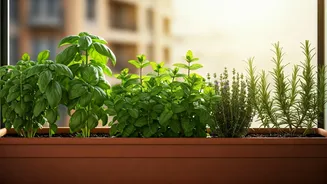
Rosemary is less of a plant and more of a small, fragrant shrub. It’s the perfect herb for the forgetful waterer. Native to the Mediterranean, it prefers its soil on the drier side and loves basking in full sun. A small rosemary plant in a terracotta pot not only looks beautiful but also releases a wonderful piney aroma whenever you brush past it. Its utility is immense—a few sprigs can transform roasted chicken, potatoes, or lamb. You can even use the woody stems as skewers for grilling. Unlike delicate plants that perish at the first sign of trouble, a happy rosemary plant is a tough, woody, and enduring presence. It’s a plant with purpose. You don’t just look at it; you interact with it. You use it, and it makes your life smell and taste better. It's not asking for your devotion, just a sunny spot to call its own.