







Beyond the Climate-Controlled Bubble
The familiar comforts of a luxury hotel—king-sized beds, room service, a pristine infinity pool—can be found almost anywhere on Earth. They are designed to insulate you from the very place you’ve traveled so far to see. In a land as raw and spiritually
resonant as Ladakh, this insulation becomes a barrier. Located in India’s northernmost region, this high-altitude desert is a landscape of stark mountains, vibrant monasteries, and resilient communities. To experience it from behind the plate glass of a generic hotel is to observe it, not to feel it. The real Ladakh exists outside the Wi-Fi password and the continental breakfast buffet. It’s in the crisp morning air, the warmth of a kitchen stove, and the stories shared over a cup of salty butter tea. Ditching the hotel isn’t about sacrificing comfort; it’s about trading a manufactured experience for a genuine one.
The Soul of a Ladakhi Home
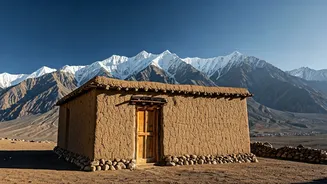
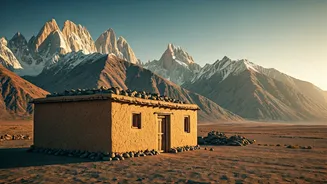
So, what exactly is a “mud cottage”? Far from being a primitive hut, a traditional Ladakhi house is a marvel of sustainable architecture, perfected over centuries to withstand the region’s extreme climate. Built from sun-dried mud bricks, poplar wood beams, and willow branches, these homes are naturally insulated. Their thick earthen walls absorb the sun’s heat during the day and radiate it back through the cold, high-altitude nights. Flat roofs are used for drying apricots and grains in the summer sun. Windows are strategically small to conserve heat, framing breathtaking views of jagged peaks and impossibly blue skies. Inside, the heart of the home is the kitchen (*chansa*), a cozy, sociable space dominated by a large metal stove used for both cooking and heating. Stepping into one of these homes feels less like checking into a room and more like being welcomed into a living piece of history.
Hospitality from the Heart
The true magic of staying in a Ladakhi homestay is the hospitality. These aren't professionally managed B&Bs; they are family homes, opened up to travelers with a warmth that is both humble and profound. Your hosts are not staff; they are your cultural guides. You’ll share meals with the family, tasting authentic home-cooked Ladakhi food like *thukpa* (noodle soup), skyu (a hearty pasta-like stew), and fresh-baked *khambir* bread. The day begins and ends around the kitchen stove, where conversations flow despite language barriers. You might learn how to make momos from the family matriarch, listen to the grandfather’s stories of the old trade routes, or play with children in the courtyard. This isn’t a performance for tourists; it’s a simple, powerful act of sharing a way of life. By staying here, you are not a passive consumer but an active participant, and your money directly supports the local family and community.
What to Really Expect
Embracing this experience means adjusting expectations. The bathroom will likely be a clean but simple dry-composting toilet, an ingenious solution in a region where water is precious. Hot water for a bucket shower may be available only when the sun has sufficiently heated the solar panels. The electricity might be intermittent. But these are not hardships; they are invitations to live more simply and mindfully. You learn to appreciate the warmth of a blanket, the light of a candle, and the taste of food grown in the family’s own terraced fields. The lack of constant distraction—no television, maybe no cell service—forces you to connect with your surroundings and your thoughts. It’s an adventure that recalibrates your sense of need versus want, reminding you of what is truly essential. Booking is often done through local cooperatives or responsible travel agencies that ensure the benefits are distributed fairly.