






The Backlash Against Diet Culture
For decades, the wellness landscape was dominated by a simple, punishing formula: cut carbs, eliminate fat, eat only during a specific window, or subsist on juice. Keto, Paleo, Atkins—while each had a different villain, they shared a common philosophy
of rigid exclusion. The problem? This all-or-nothing thinking often leads to burnout, nutritional deficiencies, and a fraught relationship with food. More and more, people are recognizing that diets built on deprivation are rarely sustainable. The pendulum is swinging away from the quick-fix mentality and toward a long-term vision of health that doesn't require giving up entire food groups or feeling guilty about a slice of birthday cake. This shift isn't just about what's on our plates; it's a cultural rejection of the anxiety and self-judgment that often accompany strict dietary regimes.
What 'Balance' Actually Means
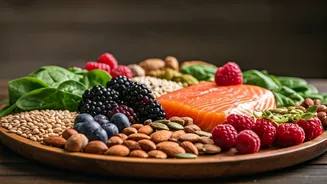
'Balance' can feel like a vague wellness buzzword, but for nutrition experts, it has a concrete meaning. It’s not about perfectly dividing your plate into macronutrient quadrants at every meal. Instead, it’s about the overall pattern of your eating habits over days and weeks. A balanced approach prioritizes nutrient-dense foods—like fruits, vegetables, lean proteins, and whole grains—while still making room for foods eaten purely for enjoyment. It's the difference between saying "I can't have pasta" and "I'll have a sensible portion of pasta with a big salad on the side." This mindset removes the moral weight from food, allowing for flexibility and enjoyment, which are crucial ingredients for any lasting lifestyle change. It acknowledges that a single meal doesn't define your health; your consistent choices over time do.
The Power of Adding In
One of the most empowering shifts in this new approach is the focus on addition, not subtraction. Instead of obsessing over what to cut out, the goal is to think about what you can add in. Feeling hungry an hour after lunch? Maybe you can add more protein or fiber to your meal to increase satiety. Worried you're not getting enough vitamins? Focus on adding one more serving of vegetables to your day. This simple reframing transforms a chore into a positive action. It shifts the focus from avoiding 'bad' foods to actively nourishing your body with good ones. This can feel less overwhelming and more achievable, building momentum through small, positive changes rather than a monumental act of willpower.
Learning to Listen to Your Body
Strict diets teach us to follow external rules: eat this, not that; eat now, not later. A balanced approach, often incorporating principles of 'intuitive eating,' encourages you to listen to your body's internal cues. This means eating when you’re physically hungry and stopping when you’re comfortably full. It means noticing which foods give you sustained energy and which leave you feeling sluggish. It also means recognizing the difference between physical hunger and emotional hunger. Re-learning these signals can be a process, especially after years of ignoring them, but it’s a foundational skill for building a truly personal and sustainable way of eating that doesn't rely on a meal plan written by someone else.
Redefining a 'Healthy' Meal
In the world of balanced eating, a 'healthy' meal isn't necessarily a 'perfect' one. The popular '80/20 rule' is a great example of this principle in action: you focus on making nutrient-rich choices 80% of the time, leaving 20% for flexibility and indulgence without an ounce of guilt. This could mean a clean week of eating followed by pizza and ice cream with family on Saturday night. It’s an admission that life happens, and a healthy lifestyle must be able to accommodate celebrations, cravings, and convenience. The goal isn’t dietary perfection; it’s consistency. By letting go of the need to be perfect at every meal, you create a system that you can happily stick with for life, not just for the six weeks leading up to a vacation.