

Why 'Imperfect' Is the New Perfect
Minimalism is built on clean lines, neutral palettes, and a lack of clutter. While serene, this aesthetic can easily become sterile without a counterpoint. This is where handmade decor shines. Unlike mass-produced items, which are identical and flawless,
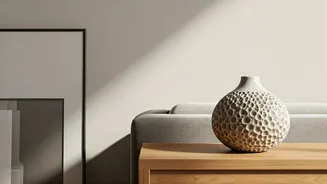
handmade pieces carry the subtle marks of their creation. A slight asymmetry in a ceramic vase, the visible weave of a textile, or the unique grain in a wooden bowl—these so-called imperfections are what give an object its soul. They introduce organic shapes and textures that break up the monotony of sleek surfaces, reminding the eye that a human, not a machine, was behind its creation. This infusion of personality is the fastest way to add a layer of warmth and history to a space that might otherwise feel too rigid or uniform.
Textiles: Weaving in Coziness
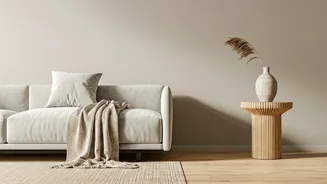
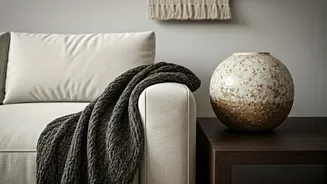
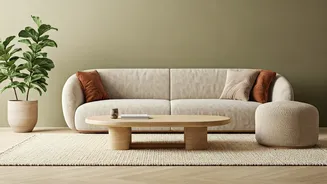
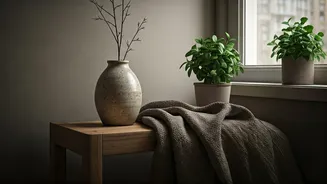
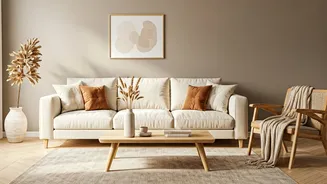
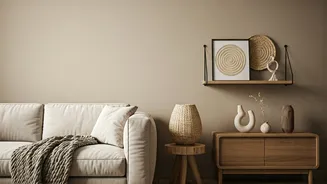
One of the most effective ways to soften a minimalist room is through textiles. Think beyond basic solids and look for hand-woven or hand-dyed fabrics. A chunky knit throw blanket tossed over a streamlined sofa immediately adds a sense of comfort and invitation. A hand-loomed wool rug can anchor a room, providing both visual interest and a soft texture underfoot. Even small touches, like throw pillows with naturally dyed patterns or a macrame wall hanging, can disrupt the hard edges of a room. The key is to choose pieces made from natural fibers like wool, linen, or cotton. Their inherent texture feels authentic and adds a tactile dimension that begs to be touched, making the space feel more lived-in and welcoming.
Ceramics: Adding an Earthy Element
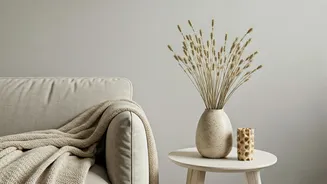
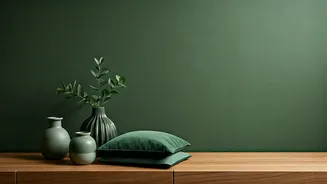
Hand-thrown pottery is like a small piece of sculpture for your home. Its connection to the earth—literally, clay from the ground—provides a grounding force in a modern space. A single, beautifully crafted ceramic vase on a stark mantelpiece can become a powerful focal point. Look for pieces with unique glazes, organic shapes, and a tangible sense of weight. Use them for more than just holding flowers; a collection of small, handmade bowls can corral keys on an entryway table, while a rustic pitcher can hold wooden spoons in the kitchen. Each piece serves a function while doubling as a work of art, adding a layer of curated, earthy character that mass-produced decor simply cannot replicate.
Woodwork: Bringing Nature Inside
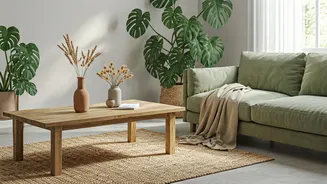
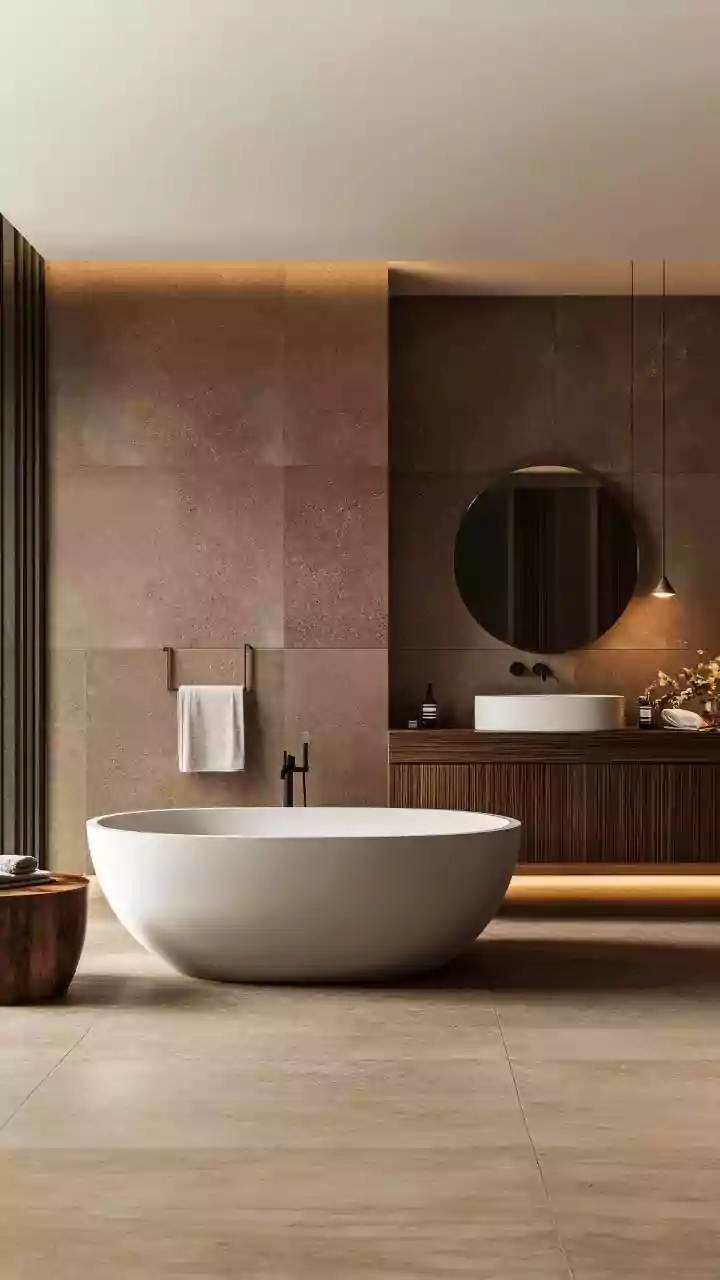
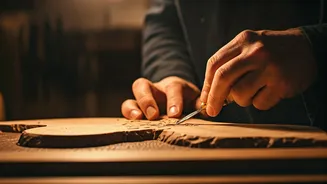
Wood adds natural warmth through both its color and texture. While many minimalist designs incorporate wood, handmade wooden objects take this a step further. A hand-carved decorative bowl, a live-edge floating shelf, or even a simple set of turned-wood candle holders can introduce a sense of rustic elegance. The appeal lies in the visibility of the material's story—the grain, the knots, and the finish applied by a craftsperson. These items connect our indoor environments to the natural world, creating a calming, biophilic effect. They serve as a warm, organic contrast to the metal, glass, and plastic often found in minimalist furniture and fixtures, proving that simplicity doesn't have to mean sacrificing nature's beauty.
Art: The Ultimate Personal Stamp
In a minimalist room, every single object counts. That’s why choosing art is so important. Instead of a generic print, consider a piece from a local artist or an online marketplace for independent creators. This could be a small abstract painting, a fine art photograph, or a unique sculpture. Handmade art is inherently one-of-a-kind and reflects a specific point of view. It’s an opportunity to inject your own personality and story into the room. A piece of art that you have a connection to becomes more than just decoration; it’s a conversation starter and a daily source of joy. It’s the final, most personal layer that transforms a well-designed room into a truly personal home.