


The Warmth and Character of Wood
Wood is the foundational element of natural design, offering an unparalleled sense of warmth and comfort. It’s the material that connects us to the forest floor and the history of craft. Today’s trend moves beyond basic hardwood floors, embracing wood in all its
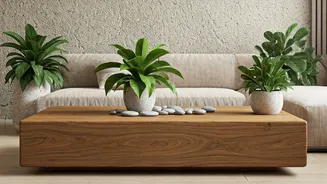
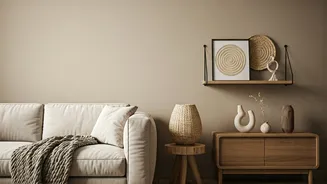
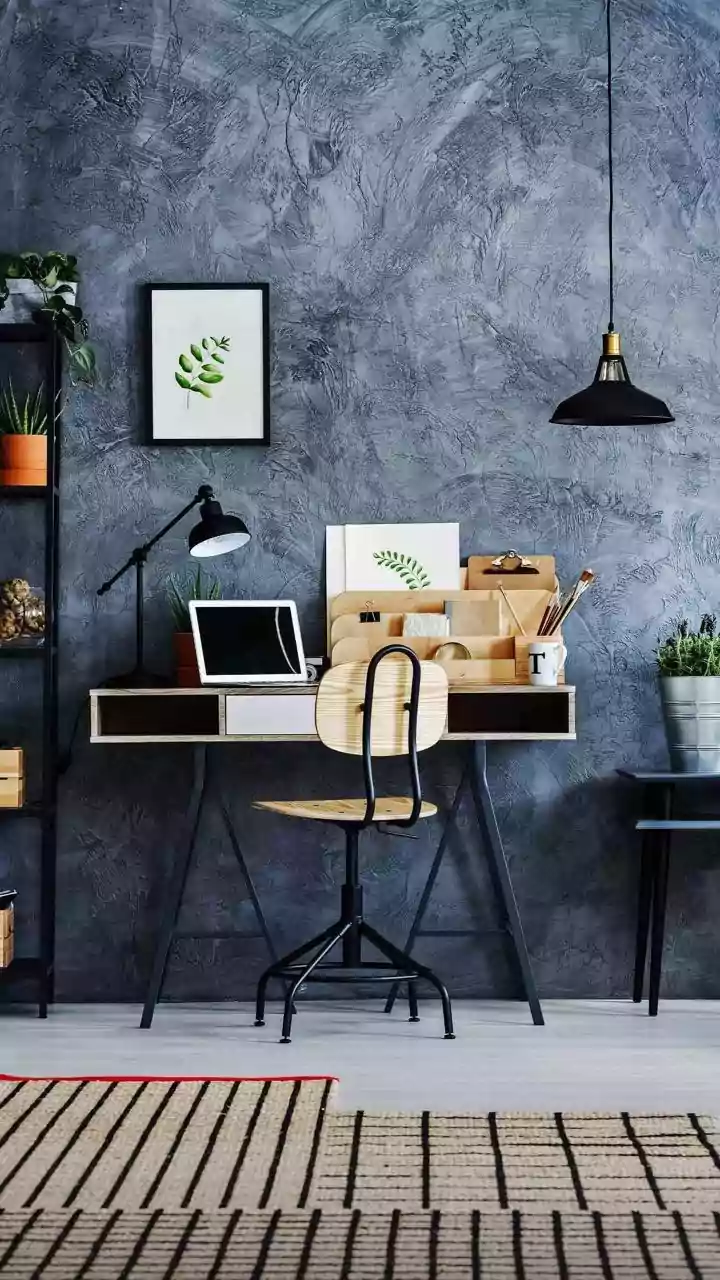
forms. We see light-toned woods like white oak and ash creating airy, Scandinavian-inspired spaces, while richer, darker walnuts and teaks add a touch of mid-century sophistication and drama. Architects and designers are using wood not just for furniture, but for statement-making feature walls, intricately slatted room dividers, and even ceiling panels that draw the eye upward. The appeal lies in its imperfection; the grain, knots, and texture tell a story, adding a layer of organic character that manufactured materials simply can't replicate. It’s a versatile choice that can feel rustic in a cabin, sleek in a city apartment, or serene in a coastal home, proving its timeless appeal.
The Strength and Timelessness of Stone
If wood is the heart of a natural home, stone is its soul. It provides an anchor of permanence, texture, and raw, earthy beauty. The use of stone in homes has evolved dramatically from the polished granite countertops of the early 2000s. Now, the focus is on more tactile, subtly patterned stones. Veiny marble continues to signify luxury in bathrooms and on fireplace surrounds, but materials like travertine, limestone, and slate are gaining massive popularity for their soft, matte finishes and quiet elegance. These stones bring a sense of ancient history and stability to a space. You’ll find them used for everything from monolithic kitchen islands that feel carved from a single block, to textured backsplash tiles and rugged flagstone patios that blur the line between indoors and out. Stone works in concert with wood, providing a cool, solid counterpoint to wood's organic warmth. This balance creates a dynamic, multi-sensory experience that feels both sophisticated and deeply calming.
The Life and Energy of Greenery
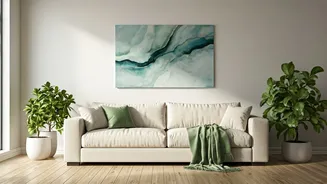
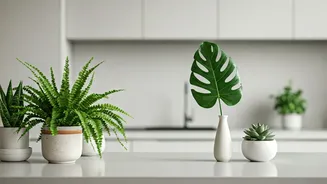
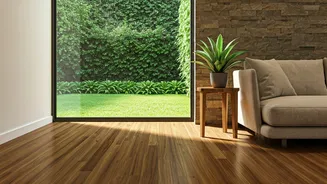
Greenery is the final, vital touch that breathes life into a home. This is the core principle of biophilic design—the idea that humans have an innate need to connect with nature for their well-being. Bringing plants indoors is more than just a decorative choice; it's a wellness strategy. A collection of potted plants—from a towering fiddle-leaf fig in a corner to a trailing pothos on a bookshelf—can improve air quality, reduce stress, and boost creativity. But the trend goes beyond scattered pots. Homeowners and designers are embracing more ambitious green installations, such as living walls that create a stunning vertical garden, or built-in planters in kitchens for growing fresh herbs. Large windows and glass doors that frame views of the garden or a nearby park are also a key component, effectively making the landscape part of the interior design. Greenery softens the hard edges of wood and stone, adding vibrant color and a sense of constant, gentle movement to a space.
Bringing It All Together
The magic of this trend isn't in using these elements in isolation, but in how they harmonize. A successful design balances all three. Imagine a living room with wide-plank oak floors (wood), a rough-hewn stone fireplace (stone), and a large monstera plant catching the afternoon light (greenery). The textures and colors play off one another, creating a cohesive and inviting environment. The key is to maintain a sense of balance. Too much wood can feel like a log cabin, while too much stone can feel cold and imposing. Greenery acts as the connective tissue, softening the composition and ensuring the space feels vibrant and lived-in. This combination of materials doesn't belong to a single style; it’s the foundation for many popular aesthetics, from Japandi (Japanese minimalism + Scandinavian function) to Organic Modern and California Cool. It’s less a fleeting trend and more a fundamental shift toward creating homes that nurture us.