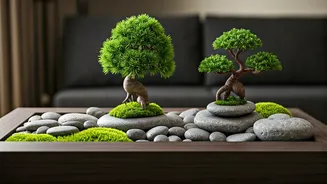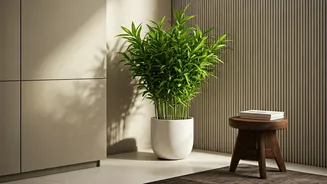


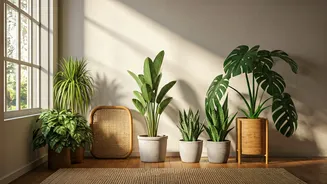


First, What Is Japandi?
If you've scrolled through any design feed lately, you've likely encountered Japandi style, even if you didn't know its name. It’s the design world’s favorite new hybrid, a thoughtful mashup of Japanese minimalism and Scandinavian functionality. Think
of it as the best of both worlds. From Japan, it takes the principles of ‘wabi-sabi’—finding beauty in imperfection and simplicity—along with a focus on natural materials and clean lines. From Scandinavia (‘Scandi’), it borrows the cozy, light-filled airiness of ‘hygge,’ prioritizing comfort, pale neutral color palettes, and uncluttered living. The result is a space that feels intentionally calm, deeply functional, and connected to nature. It’s less about stark emptiness and more about creating a serene sanctuary with pieces that are both beautiful and useful.
Enter: The Humble Indian Cane
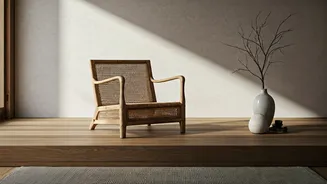
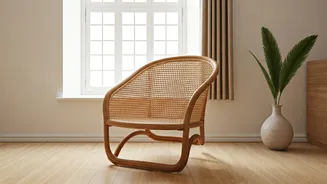
Now, enter our defining material: cane. Specifically, cane with roots in Indian craftsmanship. Cane refers to the outer peel of the rattan plant, which is woven into the familiar webbed pattern you’ve seen on everything from chairs to cabinet doors. While caning has a long global history, its use in Indian furniture—from the iconic woven ‘charpai’ daybeds to the airy armchairs of the British colonial era—gives it a specific cultural resonance. This isn't just any natural fiber; it’s one steeped in a tradition of lightweight, durable, and breathable design perfectly suited for warm climates. For decades, it was considered traditional or even dated in the West. But now, it’s being rediscovered for the exact qualities that once made it a staple: its texture, lightness, and handcrafted soul.
A Match Made in Design Heaven
So why is this specific material the key to the modern Japandi look? It’s all about balance. Japandi design can lean heavily on smooth, solid surfaces—light woods, concrete, and neutral textiles. While beautiful, too much of this can feel flat or sterile. Cane is the perfect antidote. Its woven, semi-transparent pattern introduces a layer of organic texture and visual interest without adding clutter or weight. The warm, honeyed tones of natural cane beautifully offset the cool grays and stark whites common in Scandi palettes. Unlike a solid piece of wood, a caned cabinet door or room divider feels light and breathable, allowing light and air to pass through, which enhances the open, airy feeling central to the Japandi ethos. It’s the missing piece of the puzzle, adding warmth and personality without disrupting the minimalist calm.
The Magic of 'Upcycled'
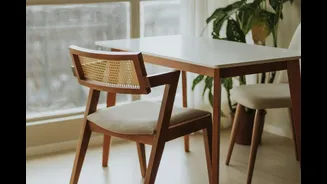
What truly elevates this trend is the emphasis on 'upcycled' or vintage cane pieces. Instead of buying a mass-produced new item, the modern approach involves seeking out pre-loved furniture. This could be a 1970s cane-backed chair found at a thrift store, a set of forgotten dining chairs from a family member, or a sideboard discovered on an online marketplace. Choosing upcycled cane does two things. First, it’s a sustainable choice, giving old furniture a new life and reducing waste. Second, and perhaps more importantly, it injects a sense of history and character into a pristine, modern space. A vintage piece has a story; its minor imperfections and aged patina align perfectly with the wabi-sabi appreciation for the imperfect. It prevents the Japandi look from feeling like a showroom and instead makes it feel like a curated, personal home.
How to Bring the Vibe Home
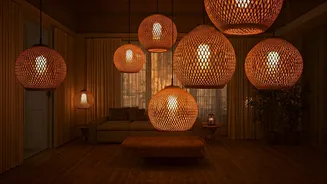
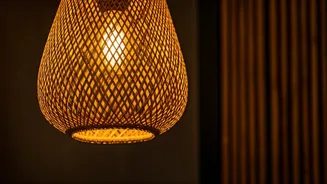
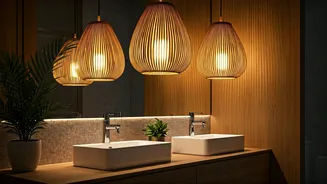
Incorporating this look doesn’t require a complete overhaul. The beauty of cane is its ability to act as a versatile accent. Start small. Look for a vintage chair with a caned backrest to place in a lonely corner of your living room. Consider swapping solid cabinet doors in your kitchen or on a media console for custom caned panels—a popular DIY project. A woven cane headboard can instantly become the warm, textural centerpiece of a minimalist bedroom. Even smaller items like decorative boxes, light fixtures, or serving trays with cane details can introduce the vibe. The key is to let the cane piece be a star accent against a backdrop of simple forms and a muted color scheme.