






America’s Answer to the Hill Station
The term “hill station” might not be in the average American’s vocabulary. It’s a relic of the British Empire, referring to high-altitude towns in colonial territories like India where officials escaped the sweltering summer heat. Think cool breezes,
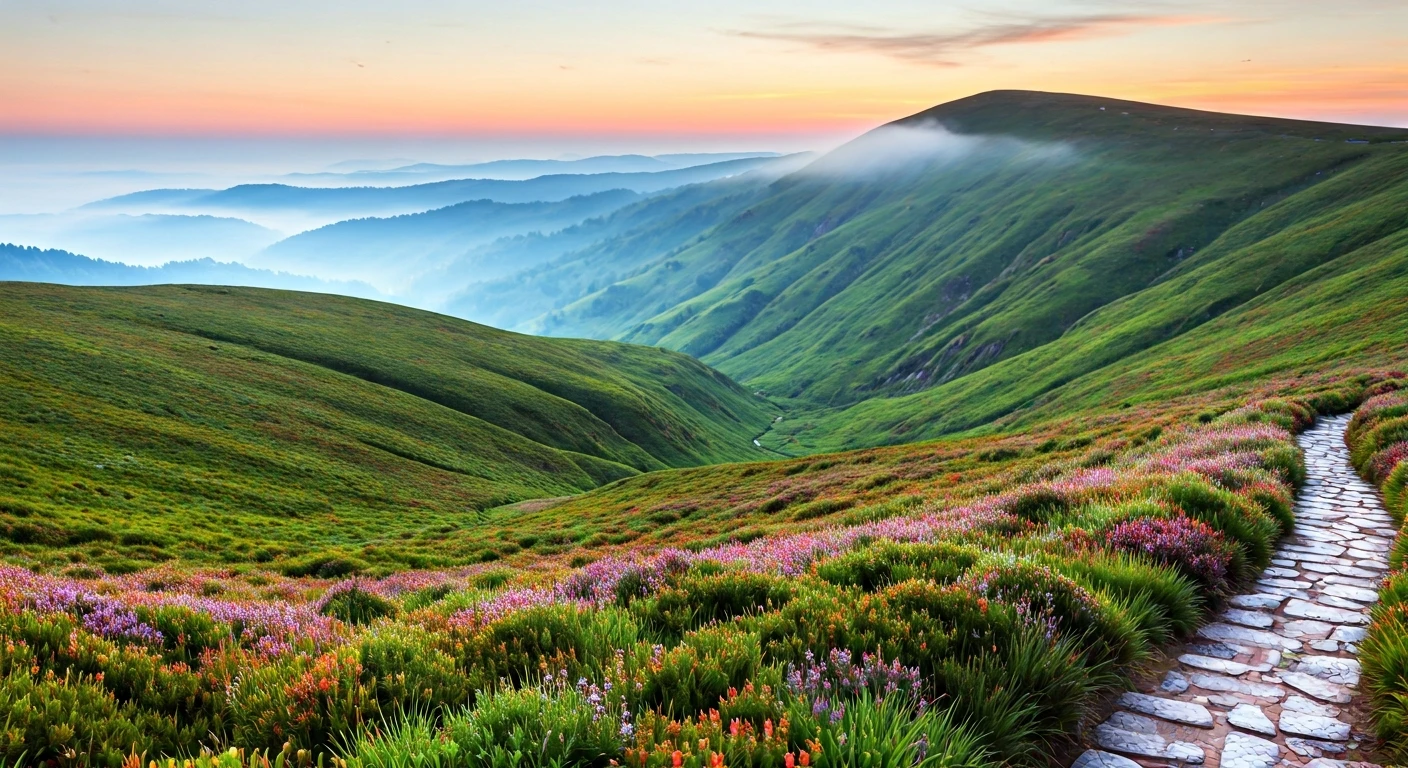
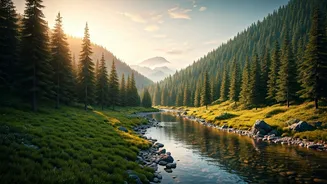
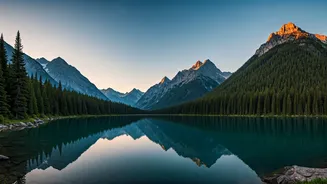
Victorian architecture, and a slower pace of life. While the U.S. doesn’t have a direct colonial equivalent, the concept is finding a new, uniquely American life. Today’s “hill stations” are the mountain towns and lakeside retreats of the Catskills, the Blue Ridge Mountains, the Poconos, or the quieter corners near Lake Tahoe and Big Bear. They aren't the glitzy, see-and-be-seen ski resorts like Aspen. Instead, they are places defined by their connection to nature, their small-town charm, and a distinct lack of overwhelming crowds. They are destinations that prioritize quiet contemplation over a packed itinerary, offering a respite not from the heat, but from the relentless pace of modern digital life.
A Search for Slower Living
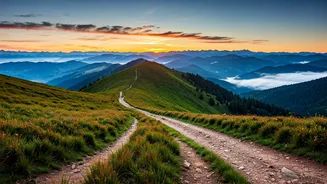
So why the shift? For a generation raised online, facing burnout at increasingly younger ages, the appeal of disconnection is potent. Previous generations might have equated vacation with stimulation—bustling European cities, sprawling theme parks, or lively beach resorts. But for many in Gen Z, the ultimate luxury isn't more noise; it's less. These mountain getaways represent a conscious choice to slow down. The main activities aren’t club-hopping or landmark-chasing. They’re hiking to a scenic overlook, reading a book by a fireplace, browsing a local farmer’s market, or simply breathing in fresh, pine-scented air. This trend was supercharged by the pandemic, which reoriented many people’s relationship with their immediate environment and fostered a deeper appreciation for domestic travel and the great outdoors. It’s a rebellion against the ‘hustle culture’ that dominated the 2010s, repackaged as a weekend escape.
The Curated Aesthetic of Authenticity
It’s impossible to talk about any Gen Z trend without talking about social media. While the desire for a digital detox is real, the aesthetic of that detox is equally important. The rise of the American hill station is deeply intertwined with visual subcultures like “cottagecore,” “cabincore,” and “gorpcore” (a term for stylish hiking and outdoor gear). These trends romanticize rural life, nature, and rustic simplicity. A trip to a mountain town is as much about the experience as it is about capturing that experience. The visual language is specific: a perfectly imperfect stack of pancakes in a wood-paneled kitchen, a candid shot of friends laughing around a campfire, a time-lapse of fog rolling over a valley. It’s a performance of authenticity. Gen Z is using these trips to curate a personal brand that values nature, wellness, and quiet moments—even if those quiet moments are immediately broadcast to hundreds of followers.
More Than Just a Vibe
Beyond the aesthetics and the search for mindfulness, practical considerations are also at play. As international travel becomes more expensive and complicated, domestic road trips have surged in popularity. These smaller mountain towns are often more accessible and affordable than major coastal cities or international flights. They offer a sense of discovery and uniqueness that can feel absent in more commercialized tourist destinations. For a generation that values unique experiences over standardized luxury, staying in a quirky A-frame cabin or a renovated barn found on Airbnb holds more appeal than a generic hotel room. This shift is also breathing new life into the economies of these small towns, which are seeing a new wave of visitors who are interested in supporting local shops, breweries, and restaurants. The trend is creating a symbiotic relationship where Gen Z finds the authentic escape it craves, and these communities find a new, appreciative audience.