





Unplugging, But Make It Instagrammable
At first glance, the trend seems like a straightforward desire to disconnect. In an always-on world, the appeal of a place with no Wi-Fi is undeniable. Yet, there’s a fascinating paradox at the heart of this movement. For every young person seeking a digital
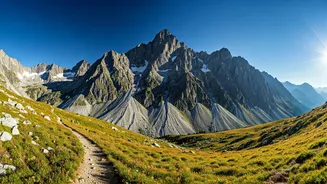
detox, there’s another meticulously curating the experience for online consumption. The classic shot of hiking boots dangling over a scenic vista or a canvas tent glowing under a starry sky has become a status symbol in its own right. This isn’t just about getting away; it’s about crafting a narrative of escape. The journey into the woods is often pre-planned with apps like AllTrails, documented with high-quality phone cameras, and shared on platforms like Instagram and TikTok, inspiring others to follow suit. This creates a powerful feedback loop where the digital world, ironically, becomes the primary driver for real-world adventure.
Affordability Meets Authenticity
Let’s be frank: traditional travel is expensive. For a generation burdened with student debt and facing economic uncertainty, the four-figure price tag of a resort vacation or international flight is often out of reach. The wilderness, by contrast, offers a compellingly affordable alternative. A tank of gas, a park entry fee, and some basic gear can unlock a weekend of profound experience for a fraction of the cost. This economic reality aligns perfectly with a broader generational shift in values, prioritizing authentic experiences over material possessions. Why spend a fortune on a generic hotel room when you can wake up to a mountain sunrise? This mindset has fueled the rise of “van life,” car camping, and regional road trips, turning necessity into a virtue. The goal is no longer just to see a place, but to inhabit it, even temporarily, in a way that feels genuine and self-directed.
Not Your Grandfather’s Camping Trip
The image of the rugged, lone woodsman battling the elements is being replaced by something more inclusive, comfortable, and communal. This new wave of outdoor enthusiasm isn't about roughing it; it's about living well in nature. The rise of “glamping” (glamorous camping) and high-quality, aesthetically pleasing gear—from portable power stations to inflatable couches—has lowered the barrier to entry. Companies have taken note, offering everything from pre-pitched luxury tents to curated meal kits for the trail. Furthermore, the culture around the outdoors is changing. Groups like Outdoor Afro and Unlikely Hikers are actively working to make natural spaces feel more welcoming to people of color and diverse body types, challenging the historically narrow image of the “outdoorsy” person. For many young travelers, the trip is as much about the community built around the campfire as it is about the hike itself.
A Search for Something Real
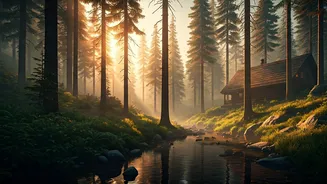
Beyond the economics and aesthetics, this trend speaks to a deeper, more existential yearning. In a world saturated with digital noise, political polarization, and abstract anxieties, nature offers a powerful antidote. It’s tangible. The feeling of sun on your skin, the scent of pine needles, the physical exhaustion after a long hike—these are grounding, undeniable realities. For many, spending time outdoors is a form of proactive mental health care, a way to reset a nervous system overloaded by modern life. It provides a sense of perspective, reminding us of systems and timelines far greater than our own immediate worries. This search for grounding isn’t a rejection of the modern world, but an attempt to find a sustainable way to live within it. It’s a quiet rebellion against the intangible, a journey to find a signal that’s not Wi-Fi, but something far more fundamental.