





Ditching Sunshine for Showers
For decades, the word “monsoon” was synonymous with travel warnings and washed-out plans. Tourists were advised to visit destinations like India, Thailand, and Southeast Asia during the dry, sunny months. But a different kind of traveler is now intentionally
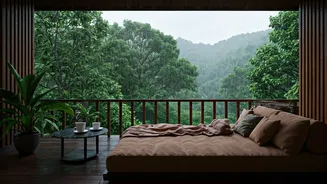
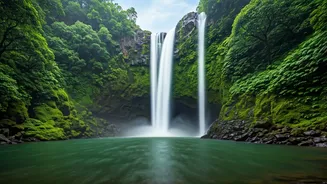
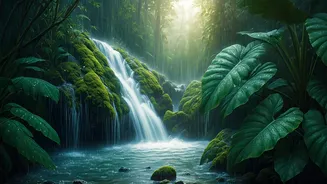
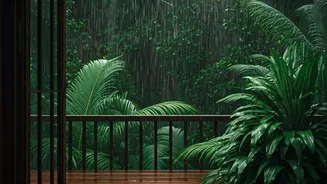
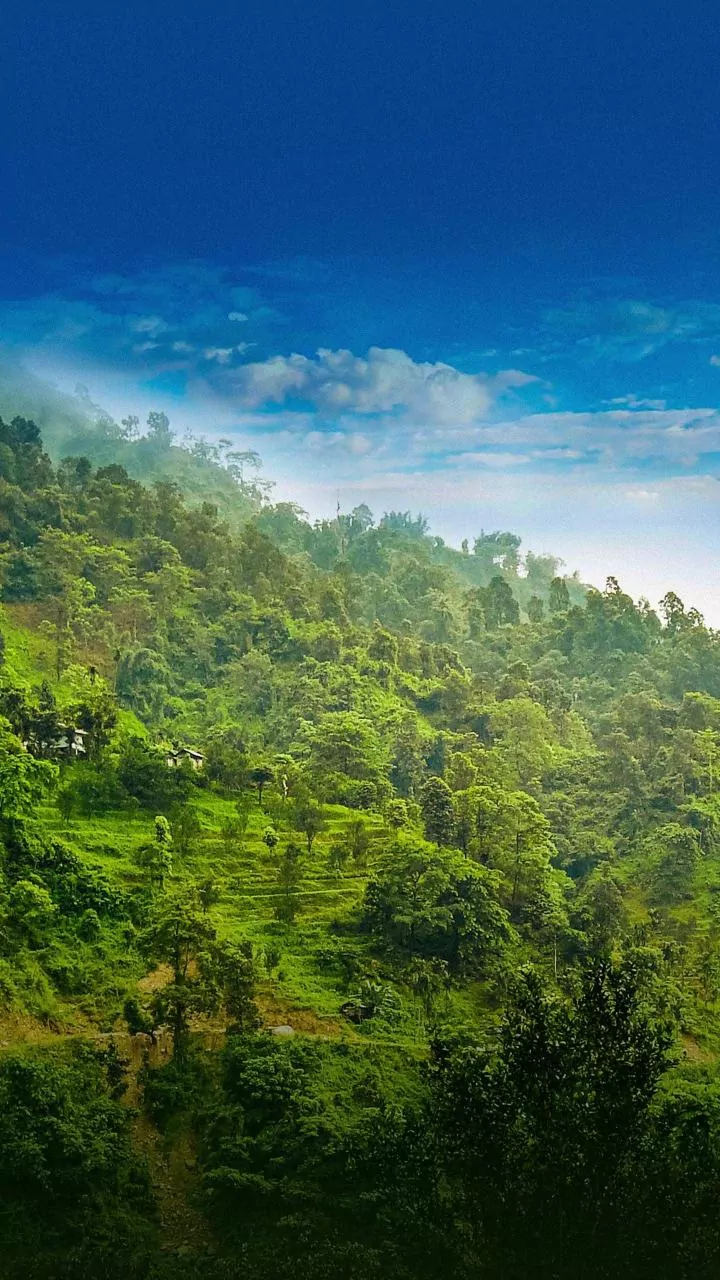
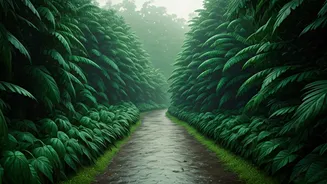
booking trips right in the middle of the rainy season. They’re seeking the 'other side' of these destinations—a time when landscapes are transformed into a riot of impossible greens, waterfalls thunder with peak-season power, and the air is clean and cool. This isn’t about tolerating the rain; it’s about making the rain the main event. The appeal lies in witnessing a place at its most raw, atmospheric, and alive, a dramatic departure from the parched, dusty end of the high season.
The Homestay Makes the Difference
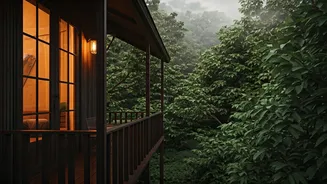
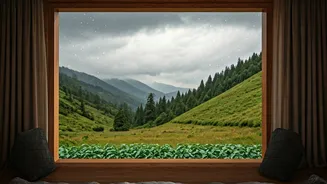
A key part of this trend isn’t just *when* people are traveling, but *how* they’re staying. The rise of the “monsoon homestay” is central to its appeal. Instead of being isolated in a sprawling, generic resort, travelers are choosing intimate, family-run properties, heritage bungalows, or small-scale eco-lodges. This choice is crucial. A homestay offers a window—both literally and figuratively—into local life. It’s the difference between a breakfast buffet and being served a home-cooked regional breakfast by your host. It's where you get insider tips on the best time to walk to the local waterfall between downpours. This setting turns the rain from an inconvenience into a cozy, comforting backdrop for a more authentic cultural exchange.
An Itinerary of Coziness and Calm
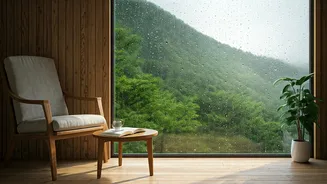
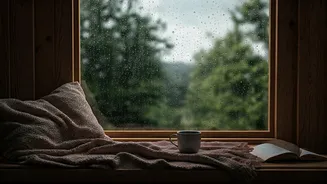
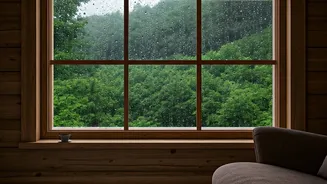
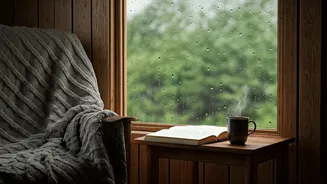
So, what does one actually do on a monsoon vacation? The answer, refreshingly, is “not much.” This style of travel is a direct antidote to the pressure of the hyper-scheduled itinerary. The daily “to-do list” is wonderfully simple: find a comfortable chair by a large window, watch the rain fall on banana leaves, and sip a steaming cup of local tea or coffee. Activities are gentle and dictated by the weather. A break in the clouds might mean a walk through a glistening tea plantation in Kerala or a visit to a temple that you have almost to yourself. It's the perfect time for reading the book you’ve been meaning to finish, indulging in holistic wellness treatments like Ayurveda, or simply enjoying conversation without the usual distractions. It’s a forced slowdown in the best possible way.
The Practical Perks: Fewer Crowds, Lower Prices
Beyond the romantic, atmospheric appeal, there are powerful practical reasons why this trend is taking hold. Monsoon season is the off-season. For the savvy traveler, that translates into two beautiful things: fewer people and lower prices. Popular destinations that feel overrun during peak tourist months become quiet, contemplative spaces. You can experience iconic sites without battling a sea of selfie sticks. Furthermore, airlines, hotels, and homestays often offer significant discounts to attract visitors during these traditionally slower months. This financial incentive makes a trip that feels more exclusive and authentic also more accessible, a rare win-win for travelers looking for deeper experiences without breaking the bank.
Is This Your Kind of Trip?
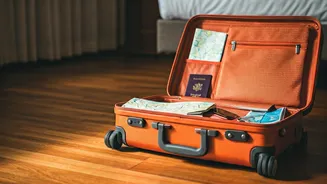
A monsoon getaway isn’t for everyone. If your vacation happiness depends on a guaranteed tan, uninterrupted sunshine, and a predictable schedule, this might not be the trip for you. Travel can be disrupted by heavy rains, and some rural roads might be temporarily challenging. But if you’re a traveler who finds beauty in dramatic weather, seeks quiet moments over crowded attractions, and values atmosphere as much as activity, it could be an unforgettable experience. It requires a certain flexibility and an embrace of the unpredictable. This is travel for the person who understands that sometimes, the most memorable moments are the ones you don't—and can't—plan for.