






Challenging the Desert Myth
When Americans picture Rajasthan, the Indian state where Udaipur lies, they typically imagine sun-scorched deserts, vibrant but dusty cities, and camels trekking across arid landscapes. The idea of visiting during the monsoon—the rainy season, which typically runs
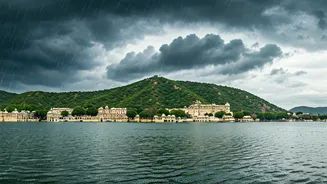
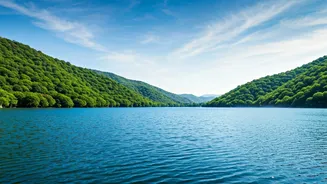
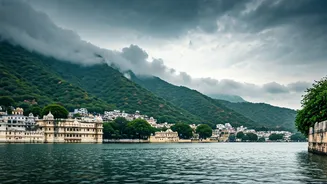
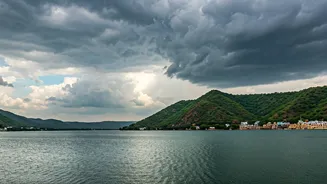
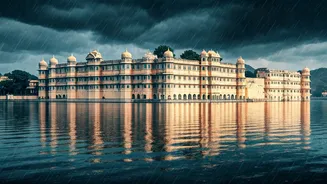
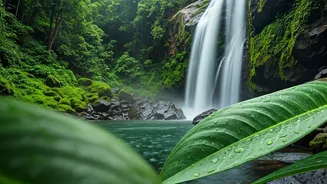
from July through September—seems counterintuitive. Why trade your sunny honeymoon for a washout? But this perception misses the soul of the 'City of Lakes.' Udaipur isn’t a desert outpost; it's an oasis built around a system of man-made lakes. For nine months of the year, it delivers the expected sun-drenched experience. But for a few precious months, the monsoon arrives not as a spoiler, but as a transformer. The rain washes the marble palaces clean, turning them a gleaming white against pewter skies. The surrounding Aravalli Hills, parched and brown for most of the year, explode into a shade of impossible, cinematic green. The lakes, often low before the rains, fill to the brim, transforming the city's entire landscape and atmosphere.
An Upgrade in Atmosphere
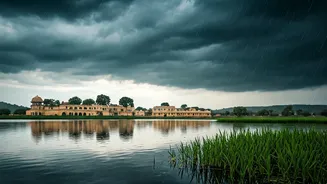
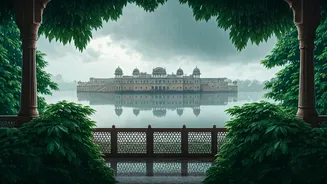
The real 'upgrade' of a monsoon honeymoon is sensory. Imagine waking up in a heritage hotel room, the window framing a view of Lake Pichola. Instead of harsh sunlight, you see a soft, diffused glow as mist clings to the water's surface. The sound isn't the distant honk of traffic, but the gentle drumming of rain on the roof and the call of a peacock from a nearby garden. This is romance, unscripted. It’s sitting in a 'jharokha'—an ornate overhanging balcony—sipping spiced chai while watching dark, dramatic clouds roll in over the Lake Palace. It's the smell of 'petrichor,' that earthy scent of rain hitting dry soil, mingling with the aroma of sizzling street food. The experience shifts from one of seeing sights to one of feeling a place. The city slows down, encouraging you to do the same. This isn't a frantic, checklist-driven vacation; it’s an immersive, intimate escape perfect for two people starting a new chapter.
The Practical Perks of Rain
Beyond the poetic appeal, there are tangible benefits to embracing the off-season. Peak tourist season in Udaipur (October to March) can be overwhelming. Crowds throng the City Palace, restaurants are booked solid, and boat rides on the lake feel more like a naval procession than a romantic excursion. During the monsoon, the crowds evaporate. You'll find yourself exploring palace corridors with only a handful of other visitors, getting the best table at a rooftop restaurant without a reservation, and feeling like the city belongs to you. This quieter environment translates to a more luxurious experience, even if you’re not paying top dollar. Hotels, eager to fill rooms during the slower months, often offer significant discounts and package deals. You might be able to afford a suite in a palace hotel that would be out of reach in December, complete with more personalized and attentive service from staff who aren't stretched thin.
Embracing the Cozy Moments
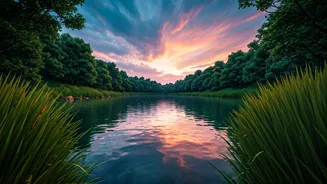
So what do you actually *do* when it rains? The answer is to lean into the cozy, indoor-focused activities that feel like a luxury in our over-scheduled lives. A monsoon honeymoon is the perfect excuse for a lazy morning reading in a bay window overlooking the water. It’s the ideal time for a long, leisurely couple’s Ayurvedic spa treatment, where the sound of the rain outside becomes part of the therapy. Many hotels offer cooking classes where you can learn the secrets of Rajasthani cuisine, a perfect rainy-day activity. When the rain does break—and it rarely pours all day, every day—you're rewarded with the most spectacular light. The post-rain 'golden hour' casts a magical glow on the city's architecture, making for stunning, moody photographs. A boat ride on the replenished lake during a break in the weather, with the fresh, clean air and verdant hills as your backdrop, is an experience far more memorable than the same trip under a blazing sun.